In March 2024 Kristine and I spent three nights in London, staying in Camden Town and getting around on the Underground. We wanted to see the landmarks everyone knows – but we also wanted the kind of places we usually enjoy most when we travel: street art, markets, historic neighbourhoods and areas with their own personality.
Some of London's most famous sights turned out to be less interesting for us than we'd expected. Others surprised us. This is our honest guide to three days in London: what we loved, what was fine, and what we would skip next time. It's our personal take, not a ranking of what everyone should do.
The short version
Loved: Camden Town as a base, street art on Brick Lane and around Spitalfields, and a walk along the Thames after dark. Glad we did it: the London Eye (expensive), Westminster and Buckingham Palace – where King Charles III drove right past us. Not for us: Oxford Street, Carnaby Street, the British Museum, Chinatown, Little Venice and the Sherlock Holmes Museum.
Day 1: Camden Town – our base in London
We stayed three nights at voco London Camden Lock by IHG, a short walk from Camden Lock and the markets. Camden quickly became one of our favourite parts of London. The high street is a row of painted shopfronts with giant boots, dragons and murals climbing up the façades, and the area around the canal and the markets has a more alternative, lived-in feel than the shopping streets we saw later in the trip.
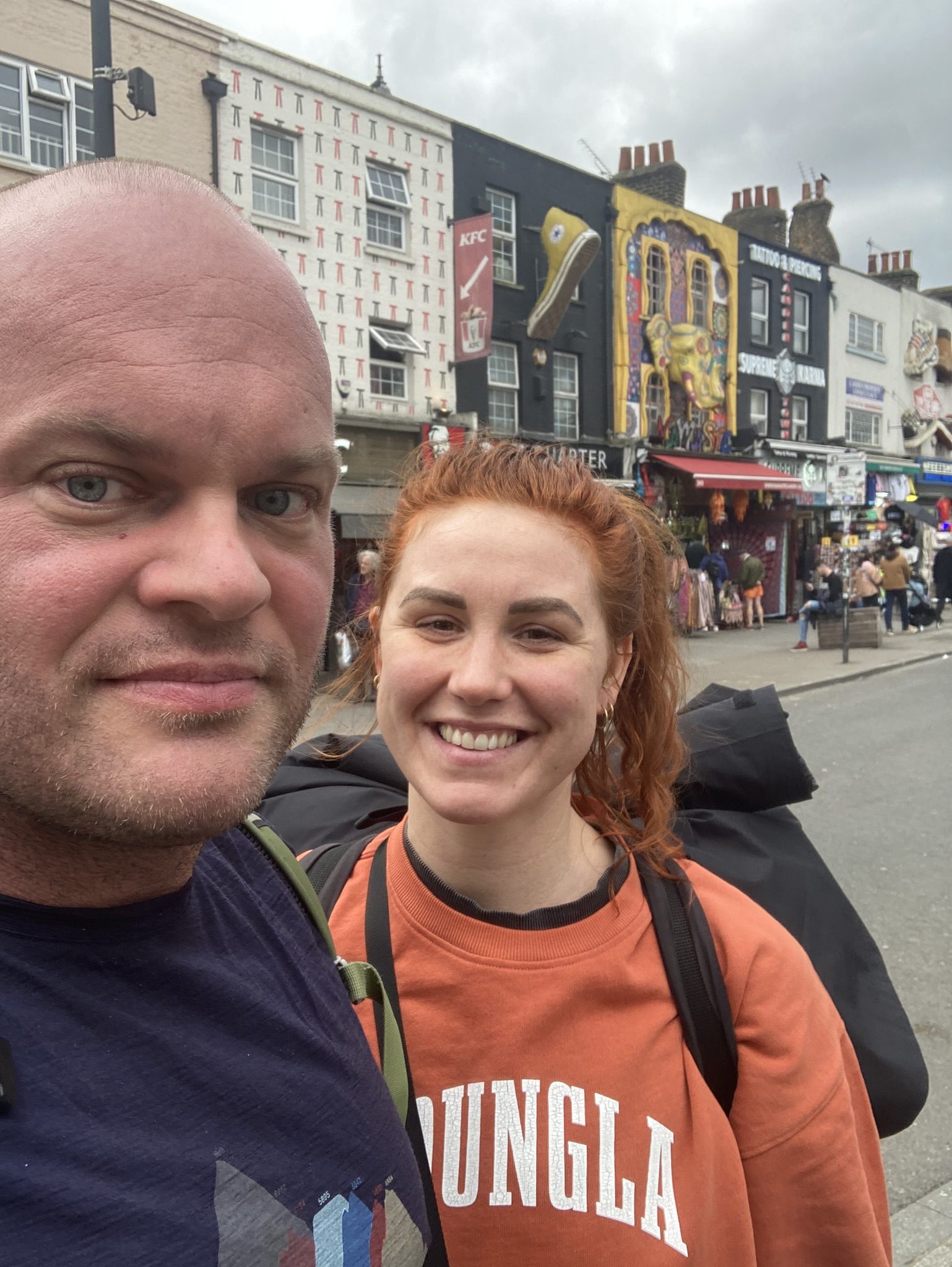
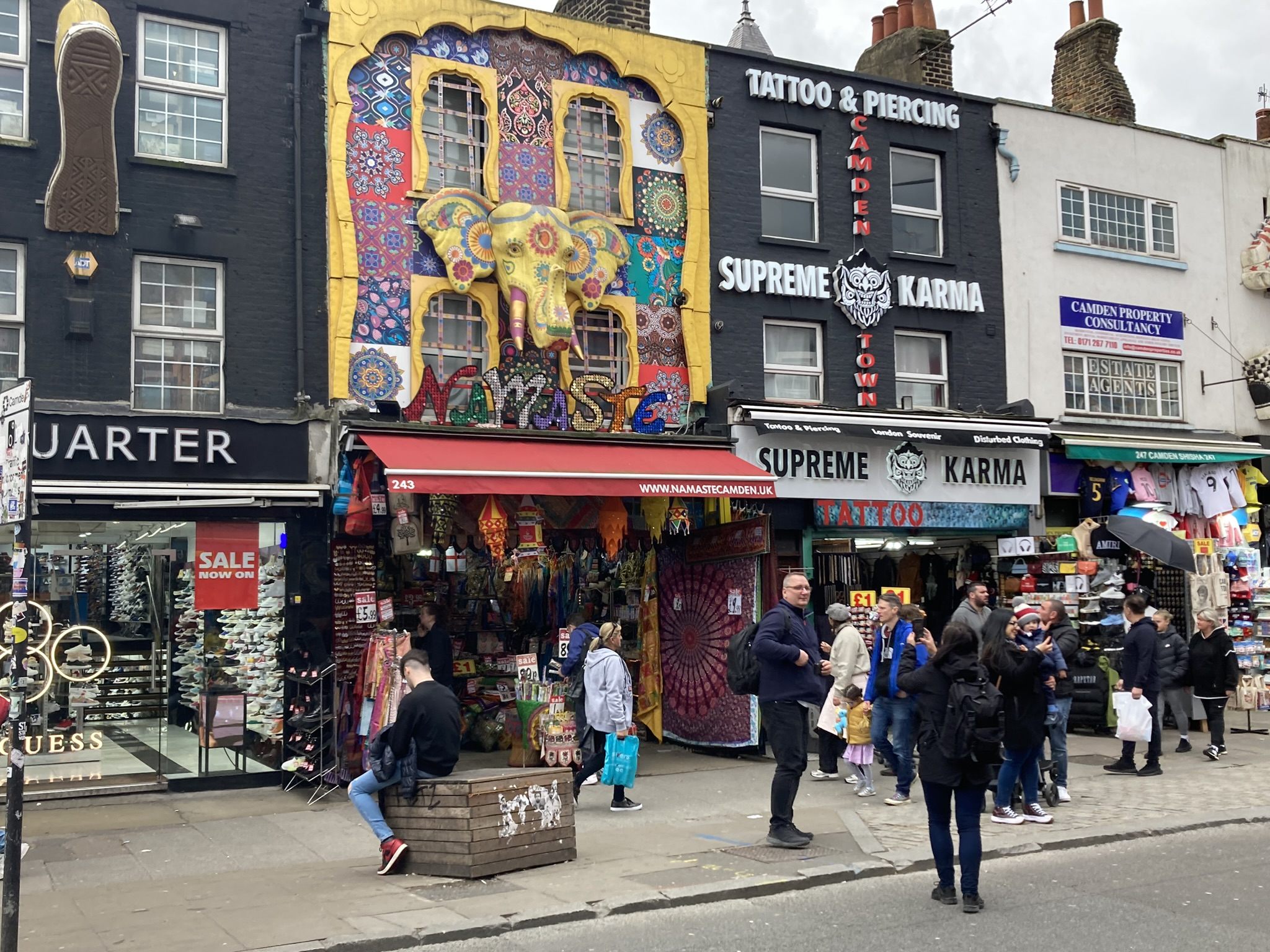
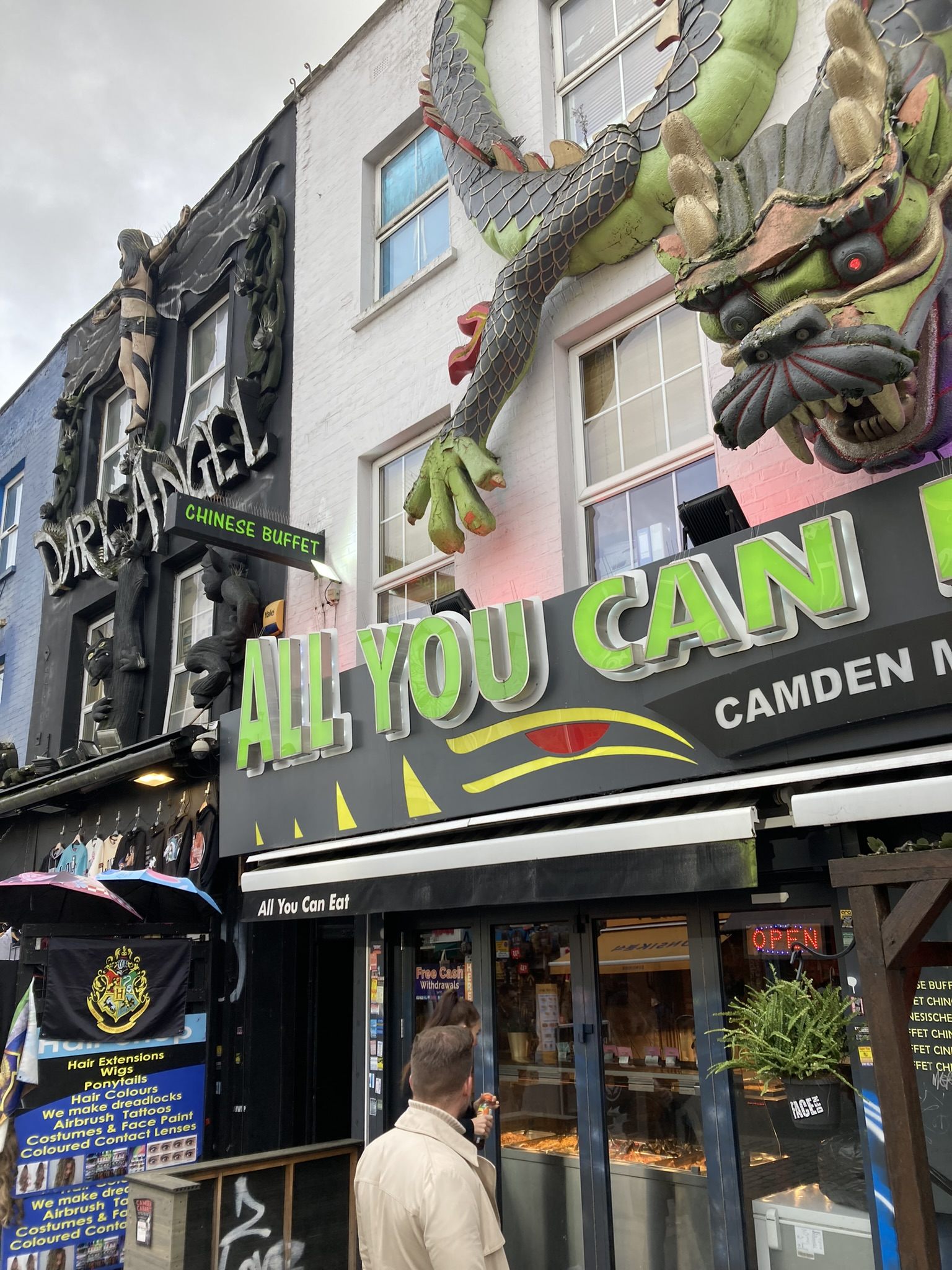
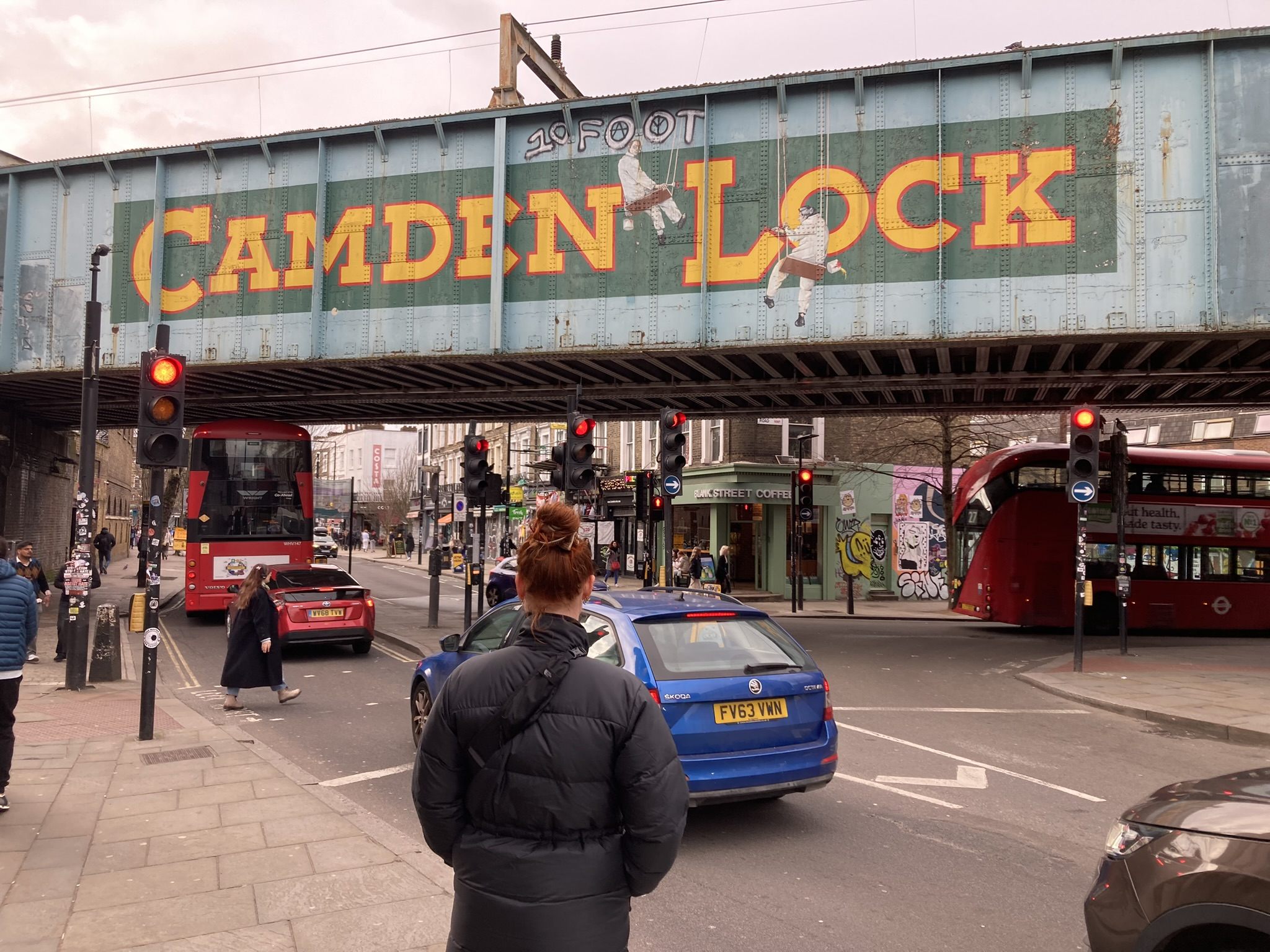
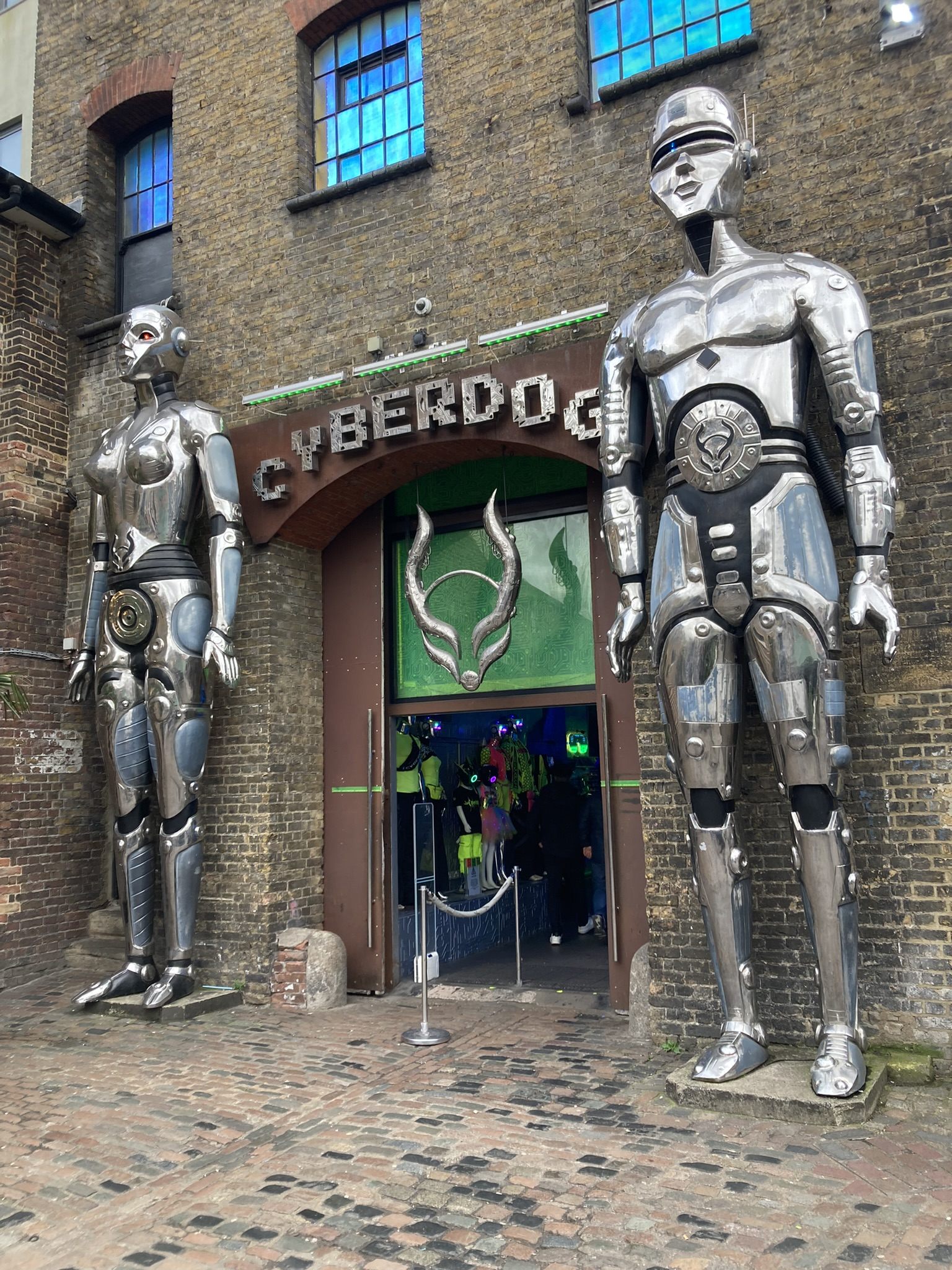
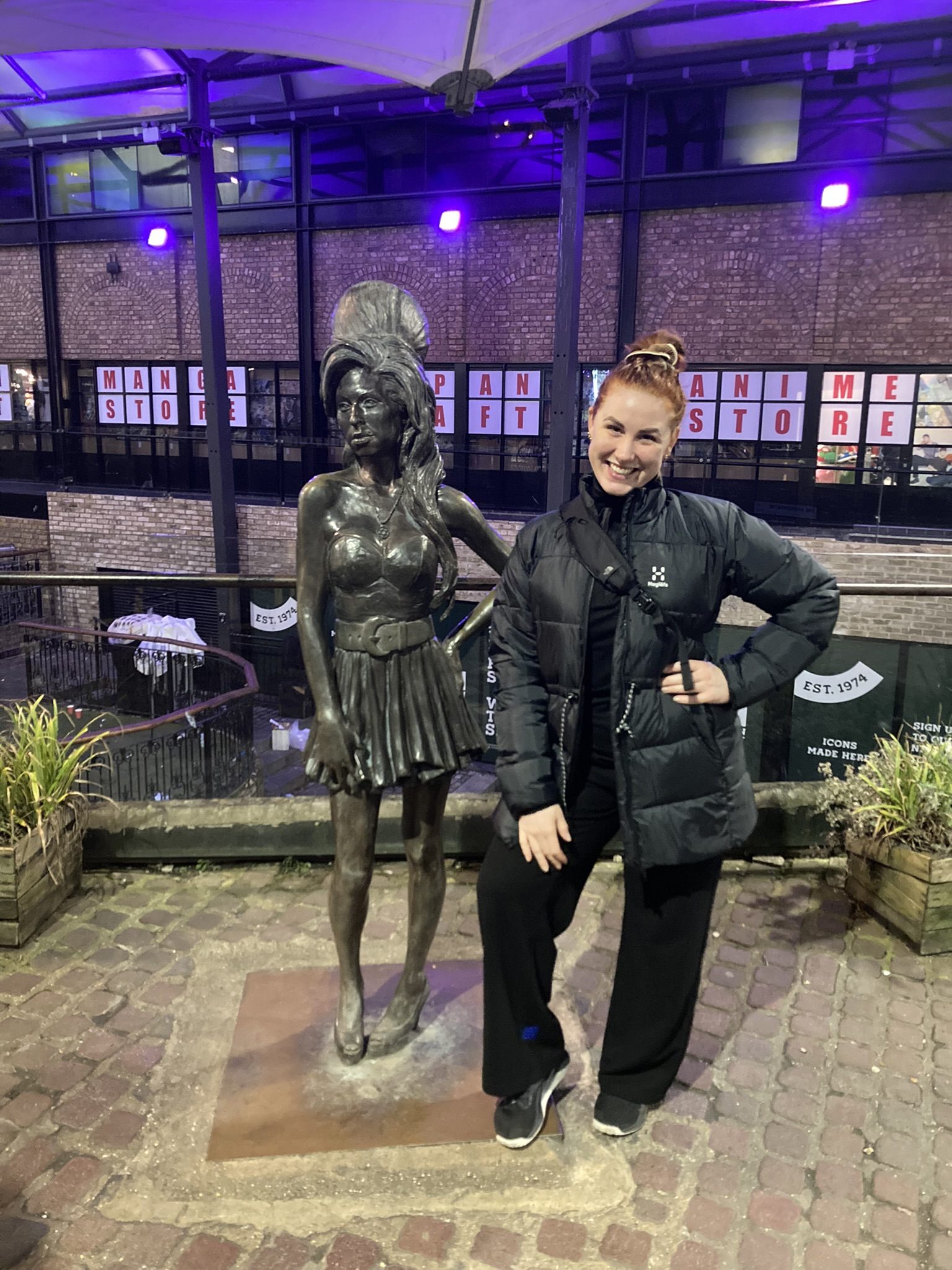
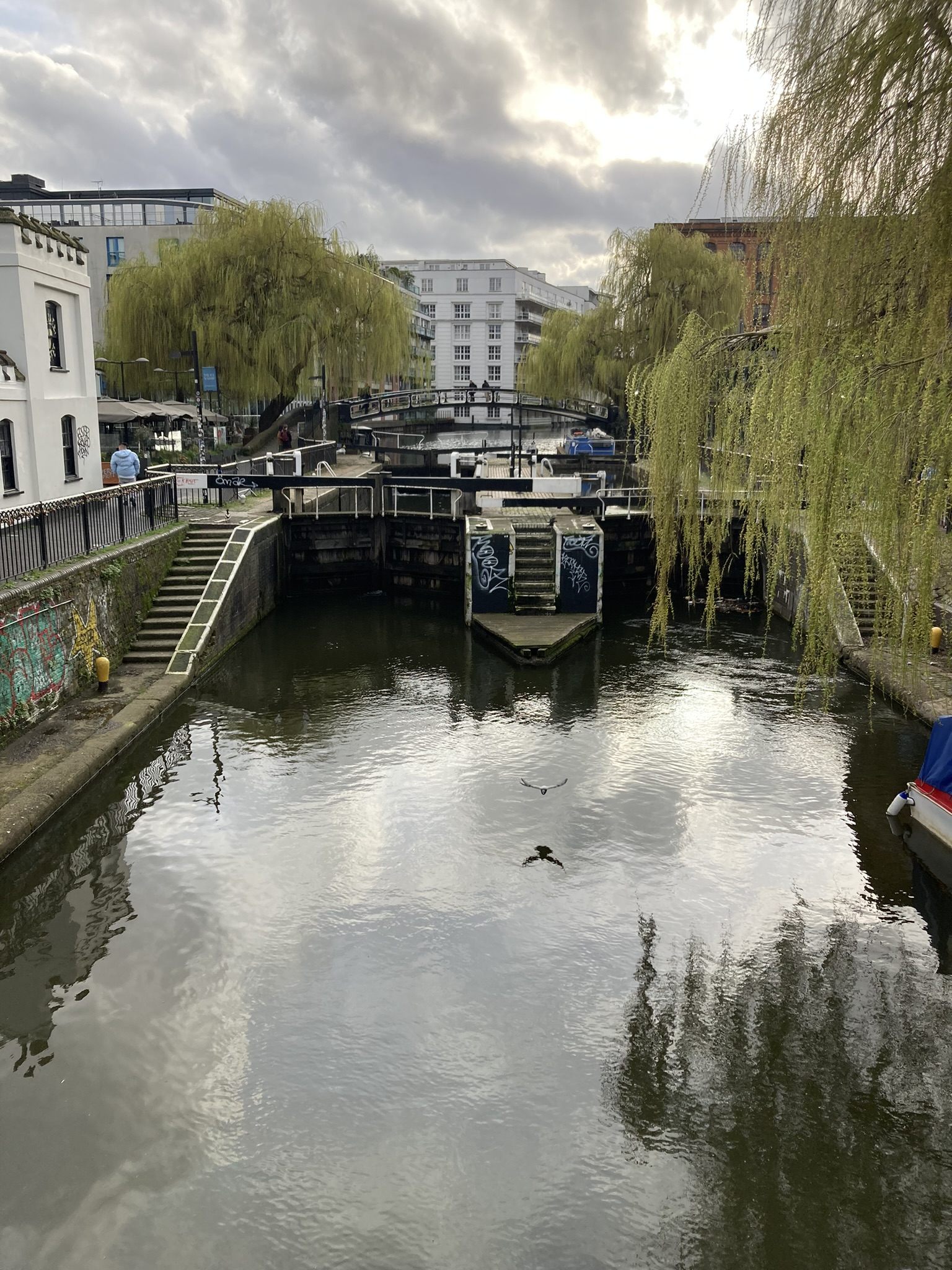
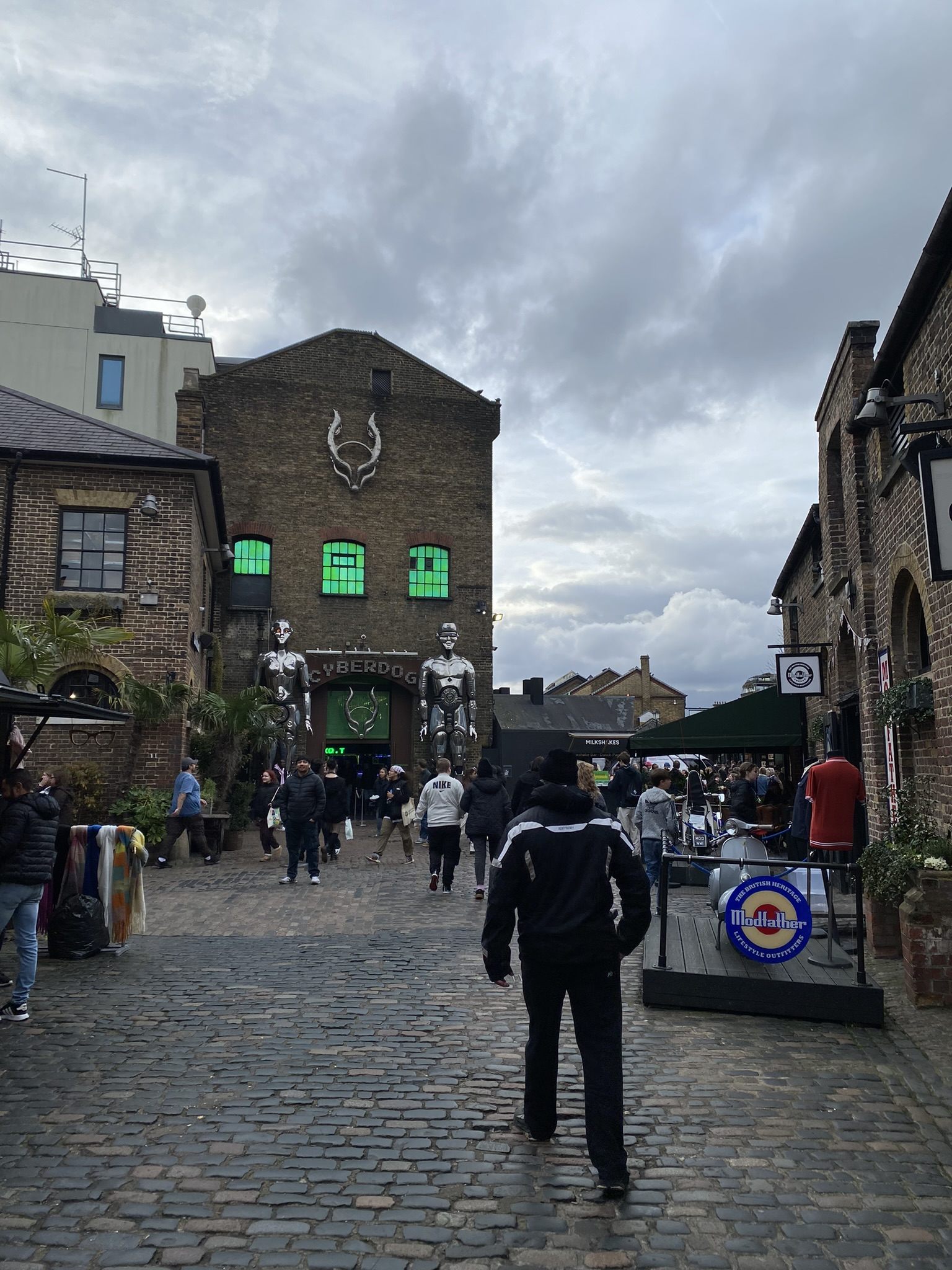
Around the canal there's the lock itself and the market halls of the Stables Market, with its old brick buildings, little alleys and shops like Cyberdog, guarded by giant silver robots. In the market we also found the bronze statue of Amy Winehouse, who lived in Camden.
An unexpected strongman in Camden
Walking through Camden we bumped into Lucas Hatton, one of the world's best strongmen. He had just competed at the Arnold Strongman Classic UK in Birmingham the weekend before, where he finished third behind Mitchell Hooper and Hafþór Björnsson. As someone who lifts stones for fun, that was a fun and very unexpected way to start a city break – and of course we asked for a photo.
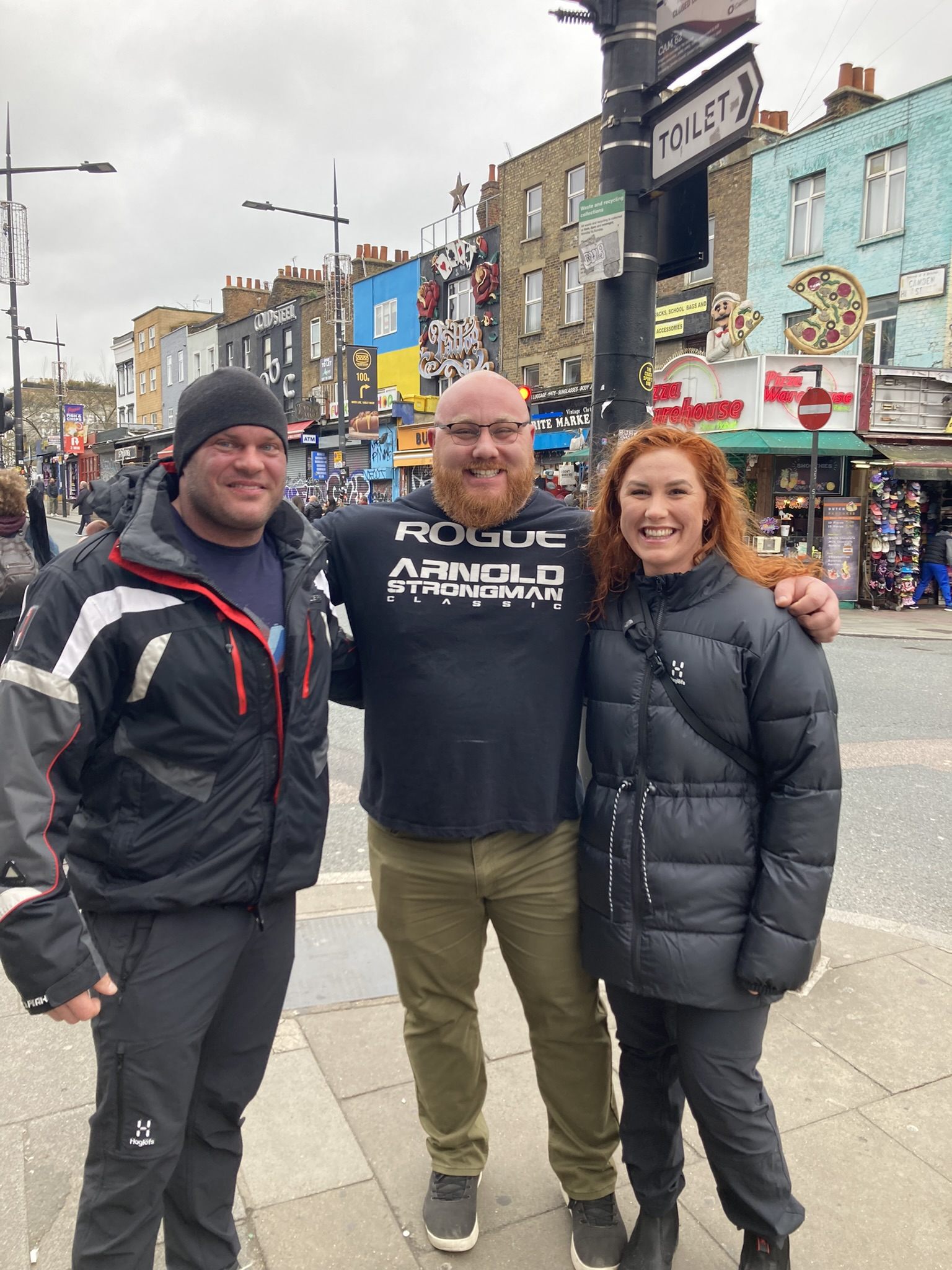
Result: 2024 Arnold Strongman Classic UK results (Fitness Volt).
Getting around: the Tube was easy
We used the London Underground – the Tube – to get between neighbourhoods, and found it very easy. We simply tapped a contactless Visa card or a phone on the yellow reader at the gate, and walked through. No tickets to buy.
Paying with contactless – what to know
- Use a contactless bank card or a phone/watch with a card in its wallet.
- Touch in and touch out with the same card or device on every Tube journey (buses only need a touch in).
- Fares are capped per day and per Monday–Sunday week – but only if you stick to one card or device. A phone and a physical card count as different cards.
- Check current fares and exceptions on Transport for London before you go.
One tip from the rest of this trip: trains in the UK can be expensive. Before London we were in Birmingham, and for that leg hiring a car worked out cheaper for us than the train. If you're two people arriving at an airport like Stansted, it's also worth comparing the train with an app-based ride from Bolt, Free Now or Uber. Neither is always cheaper – it depends on the time, traffic, luggage and airport fees – so compare the total for both of you rather than booking the train automatically.
Day 2: shopping streets and a museum – not our favourites
On the second day we started in the West End. We walked Carnaby Street in Soho and Oxford Street, and for us neither had much to offer. They felt modern and commercial – shops we could find in many other cities – and we weren't in London for designer sunglasses or ordinary big-city shopping.
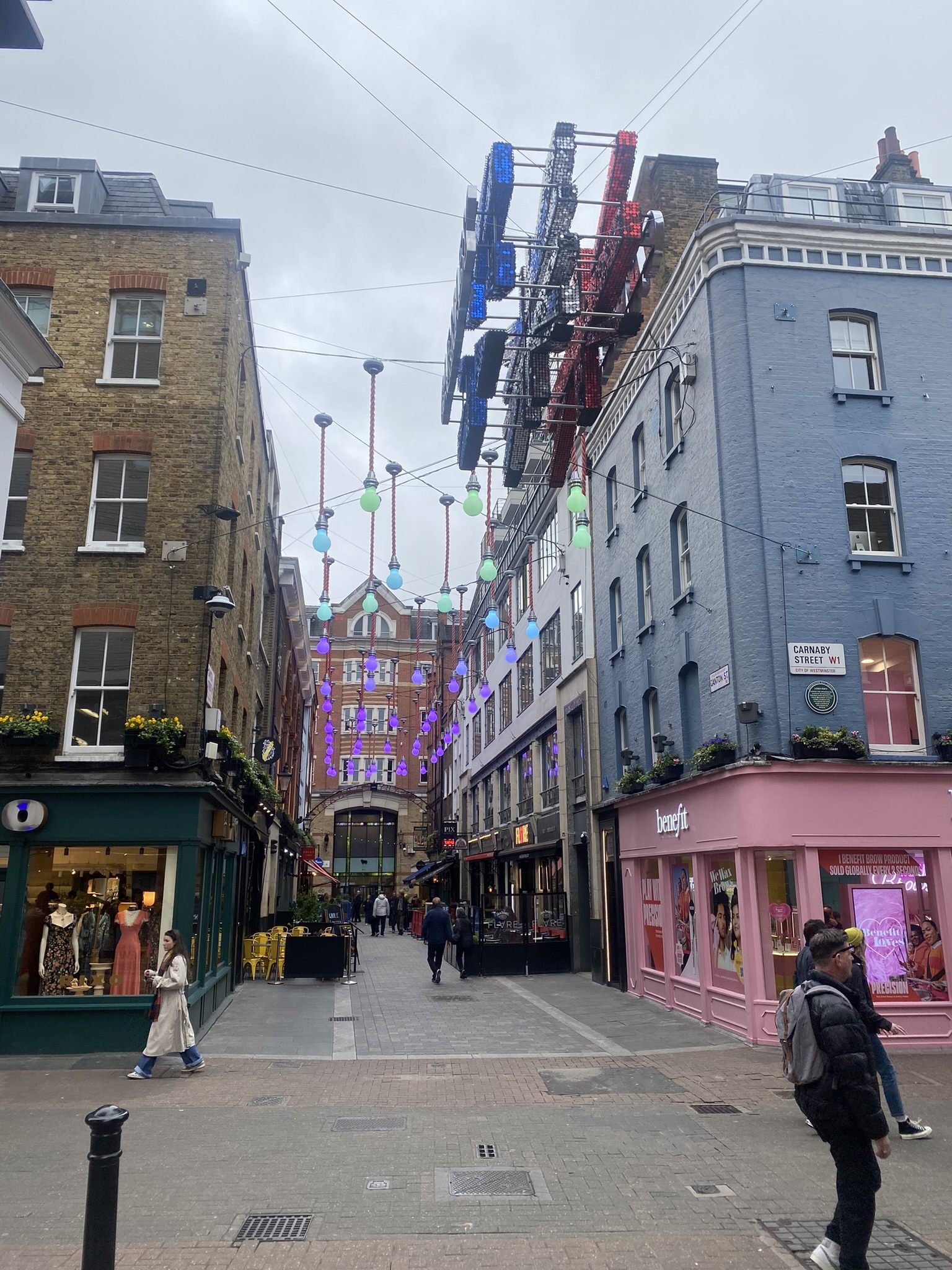
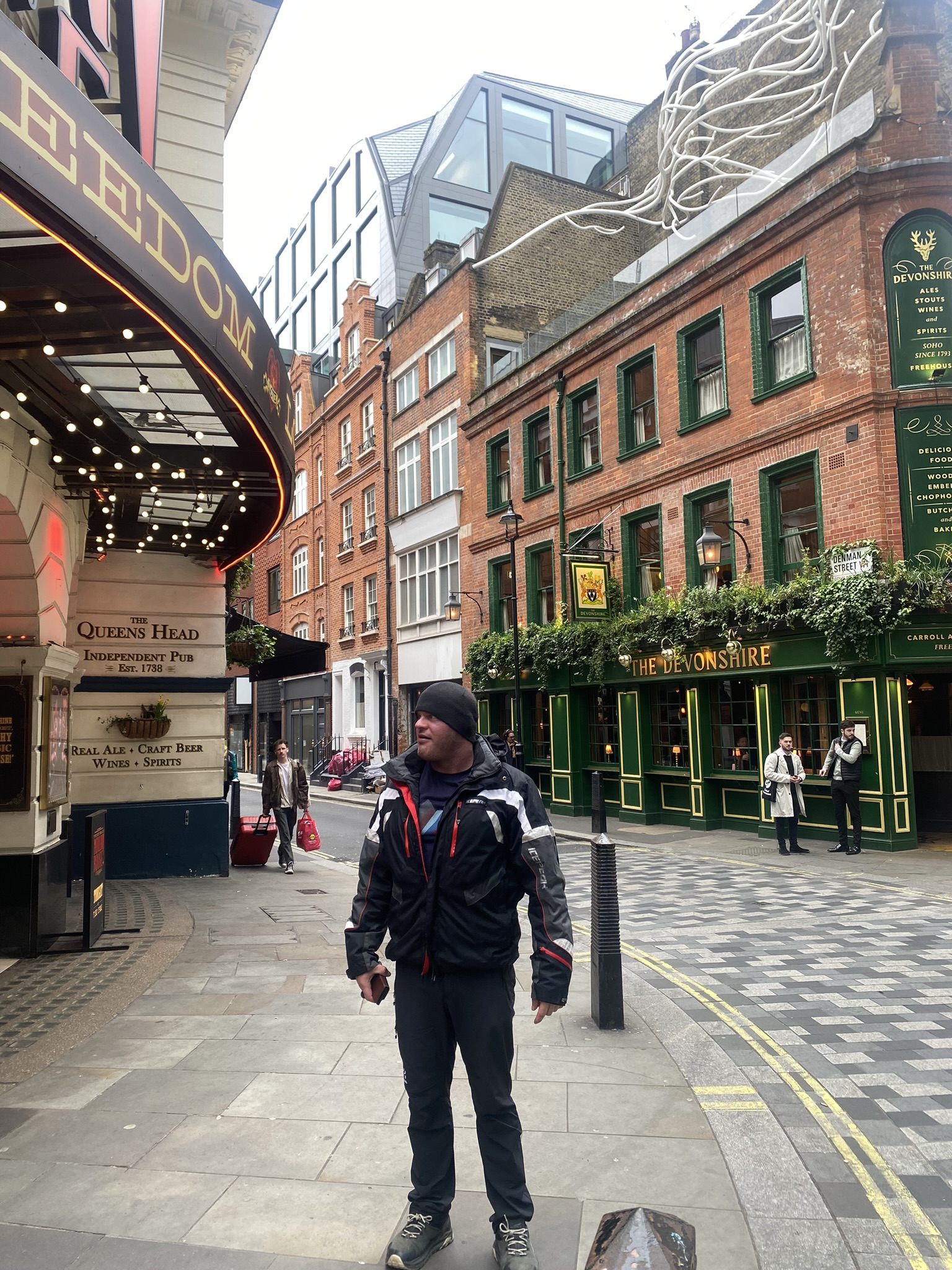
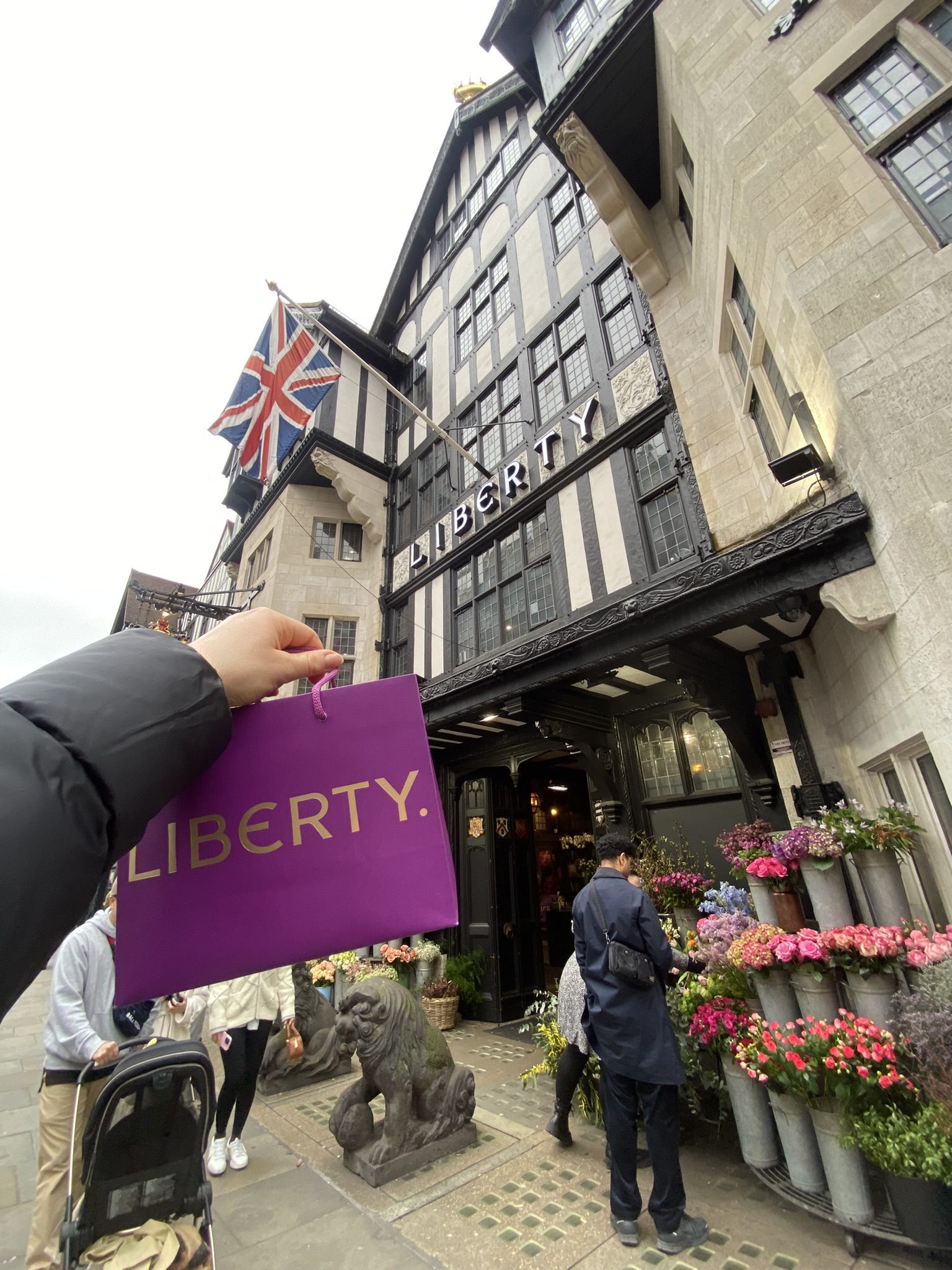
Kristine wanted to see Liberty, the famous department store with its black-and-white Tudor-style façade and flowers by the entrance. The building is worth a look and it's a historic London institution – but the shopping itself isn't what we travel for.
The British Museum
We also visited the British Museum. Entry to the permanent collection is free (the museum advises booking a free timed ticket, and special exhibitions cost extra). It's a huge and important museum – but it didn't suit us. Long rows of display cases didn't hold our interest, and we'd rather spend the time outside, seeing historic places where they actually are. That's about our taste, not the museum's quality. Our point is simply that "free" doesn't automatically mean it's the best use of your time – choose by your own interests.
Current tickets and opening times: britishmuseum.org.
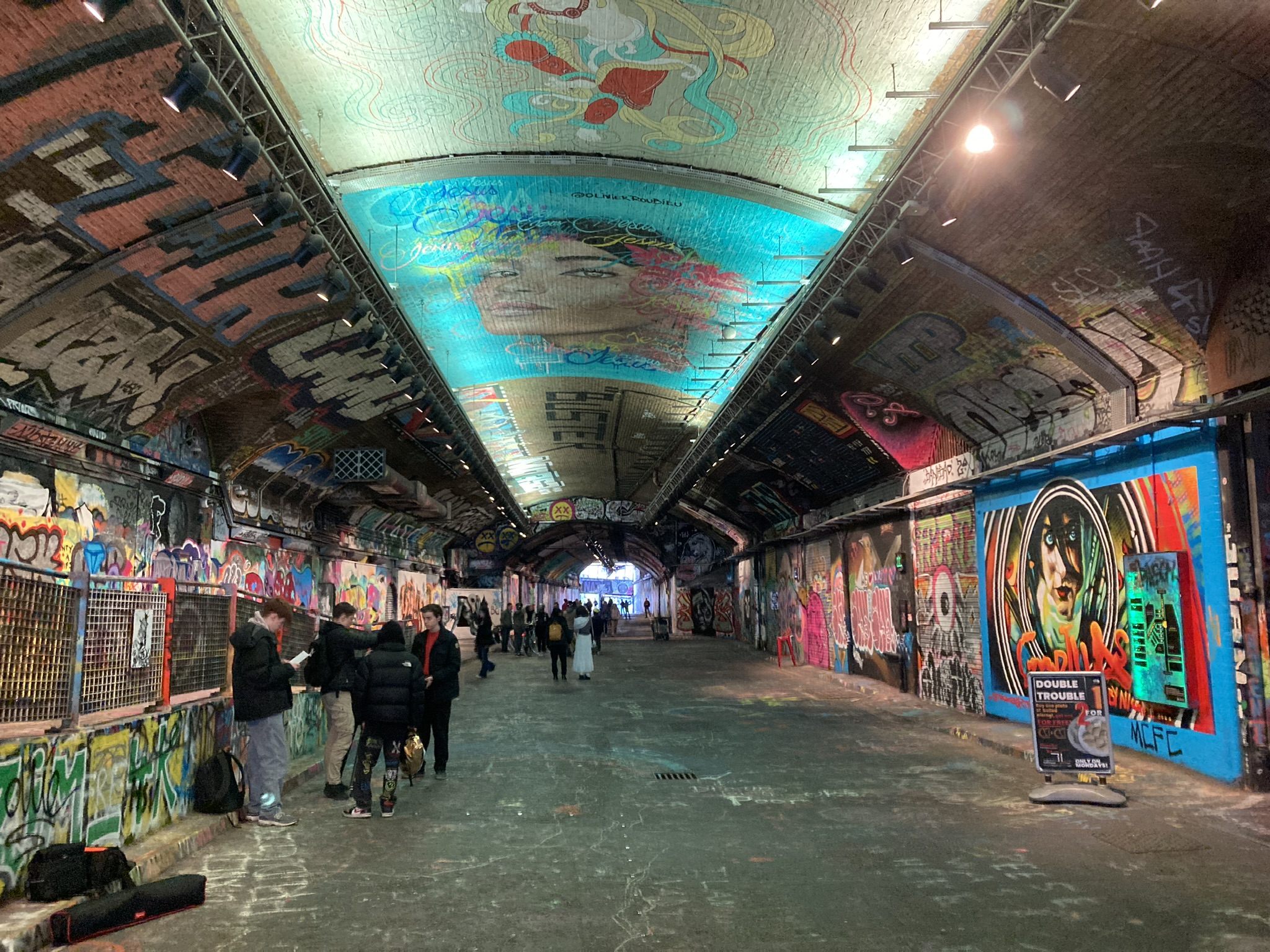
The graffiti tunnel at Waterloo
The Leake Street graffiti tunnel near Waterloo station was much more our kind of place. Every surface is covered in layers of colourful graffiti, and it has a raw, creative feel that the shopping streets didn't. We also had a proper English breakfast in the area.
The London Eye: expensive, but memorable
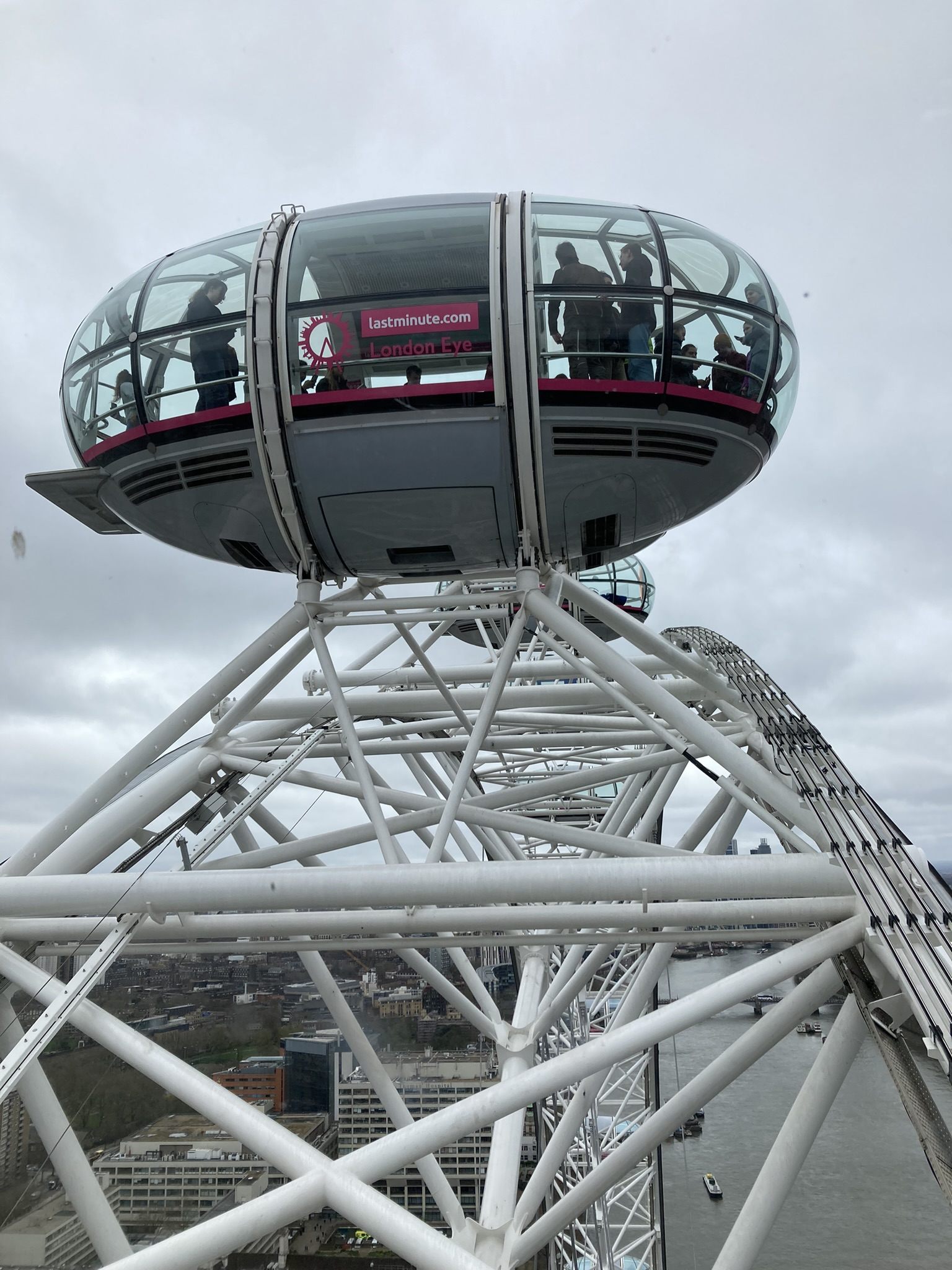
We'd booked London Eye tickets from home in Denmark and chosen Fast Track to cut the waiting. The wheel is 135 metres tall, with 32 enclosed capsules, and one rotation takes about 30 minutes. It opened to the public in March 2000.
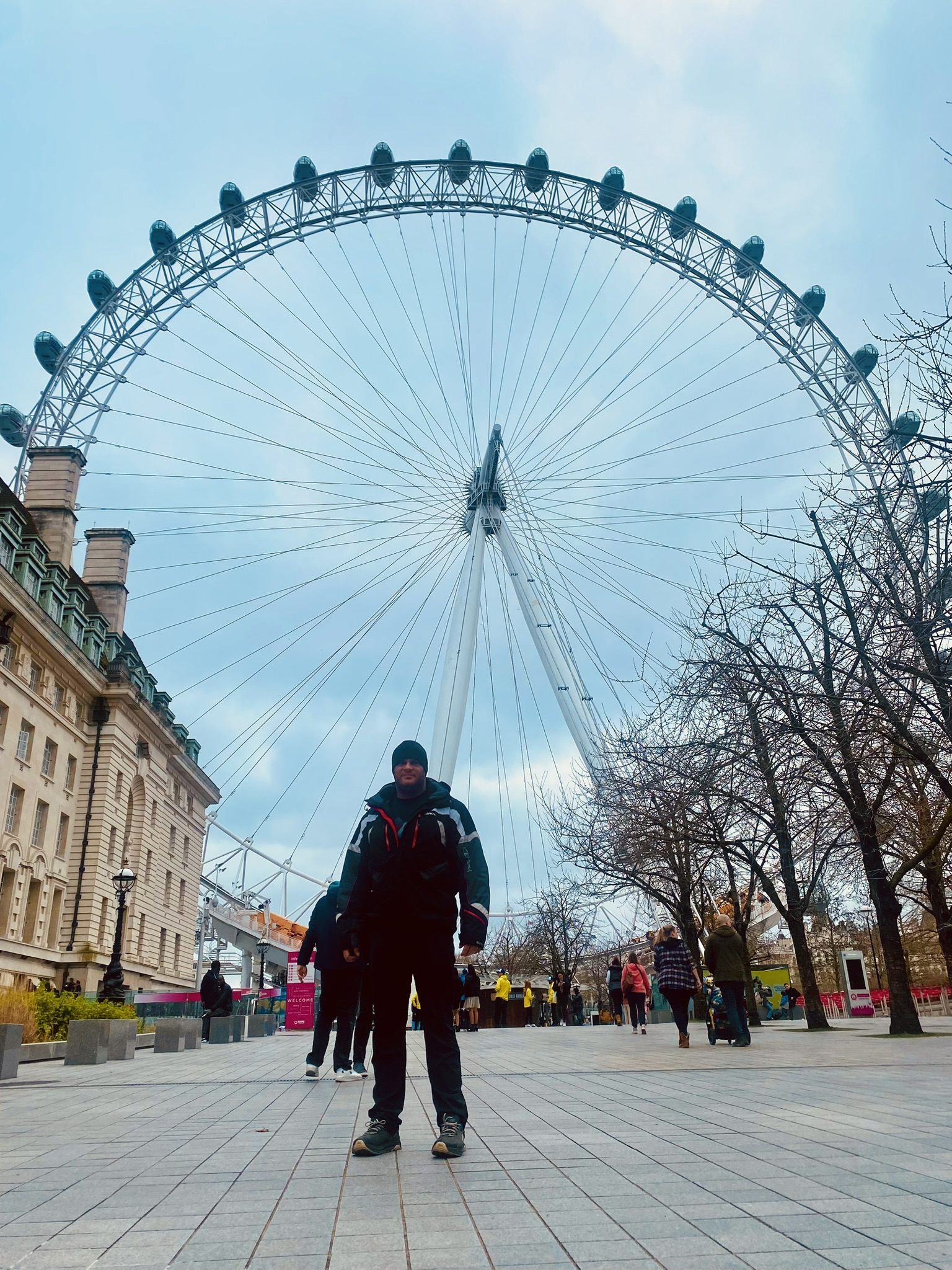
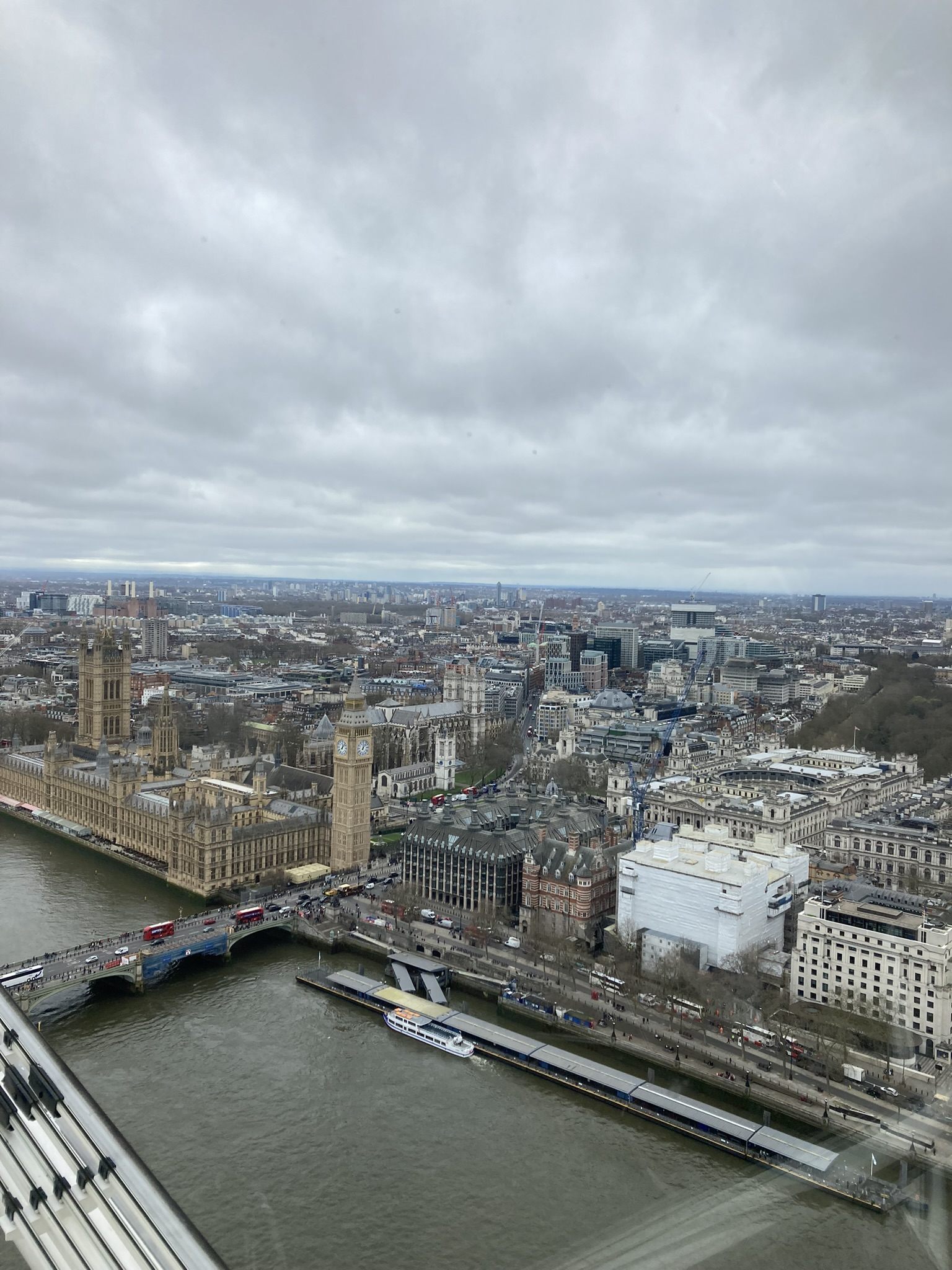
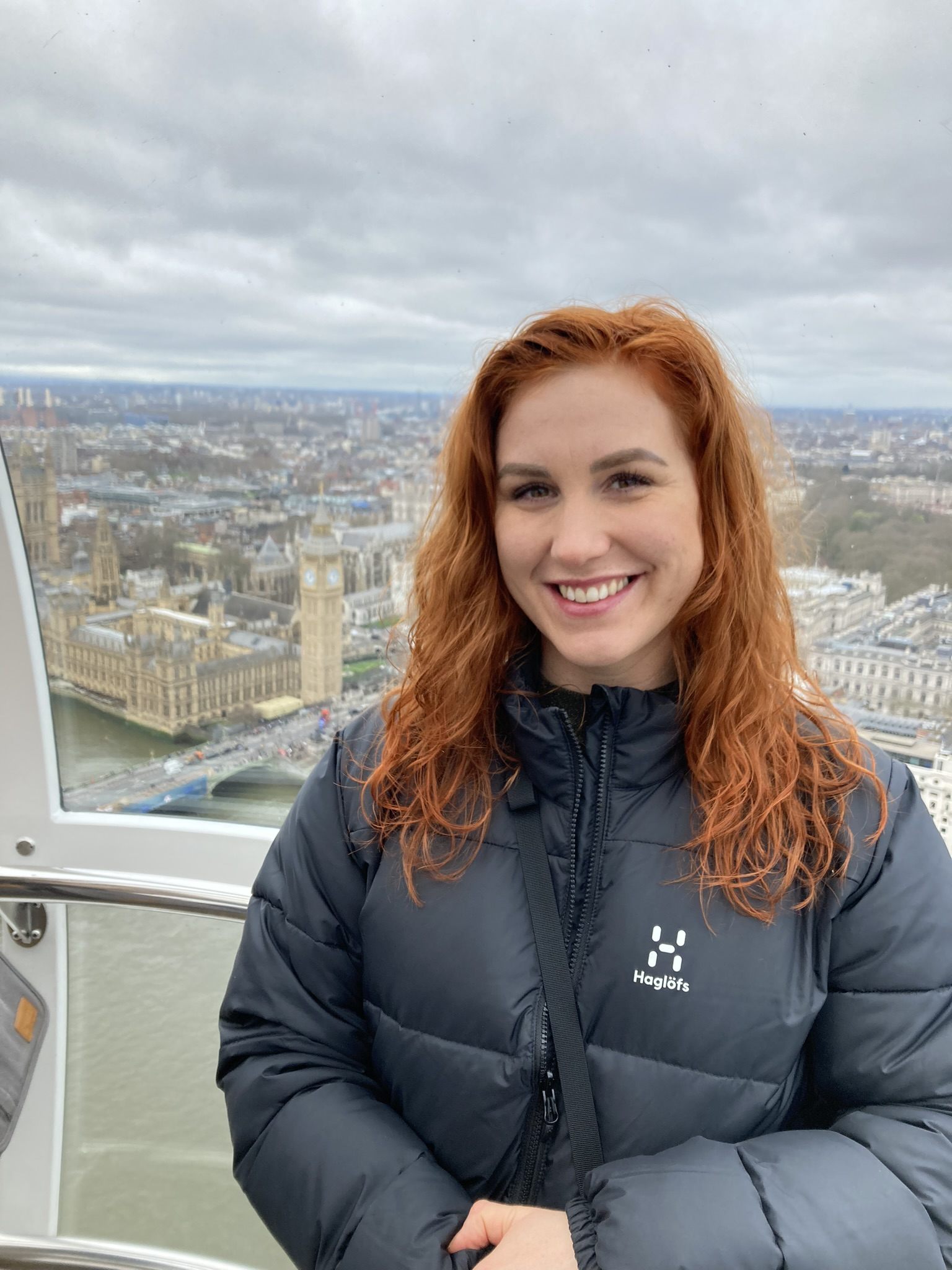
We paid around 410 DKK each – that's what we remember paying in 2024, so check current prices. Our verdict is honestly 50/50. Seeing London from above, with the Houses of Parliament right below, was a good experience and we're glad we did it. But it's expensive for half an hour, and we completely understand anyone who'd rather spend the money on something else. If you go, book ahead and compare ticket types; Fast Track shortens the queue but doesn't mean no queue at all.
Westminster, Big Ben and St James's Park
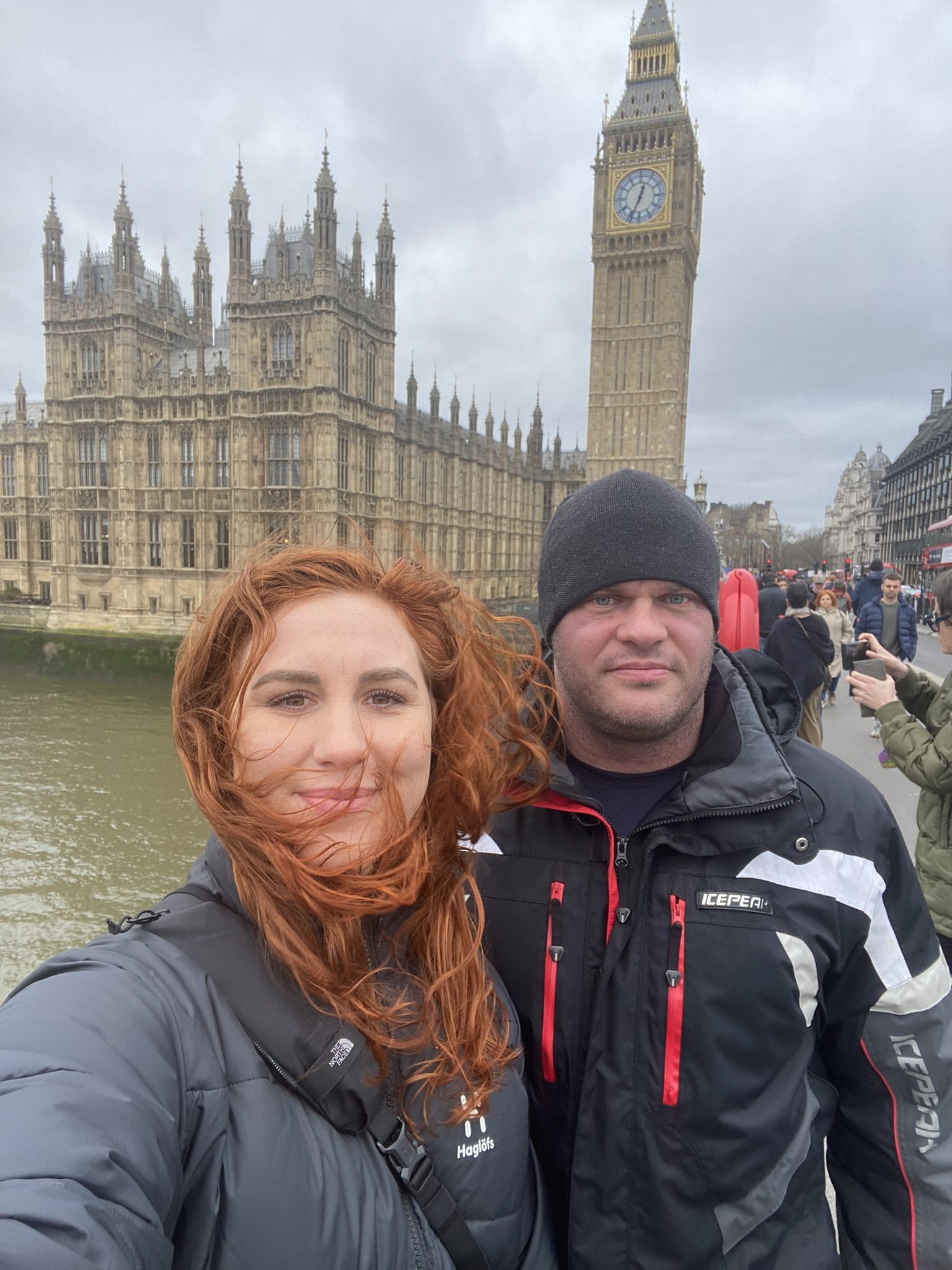
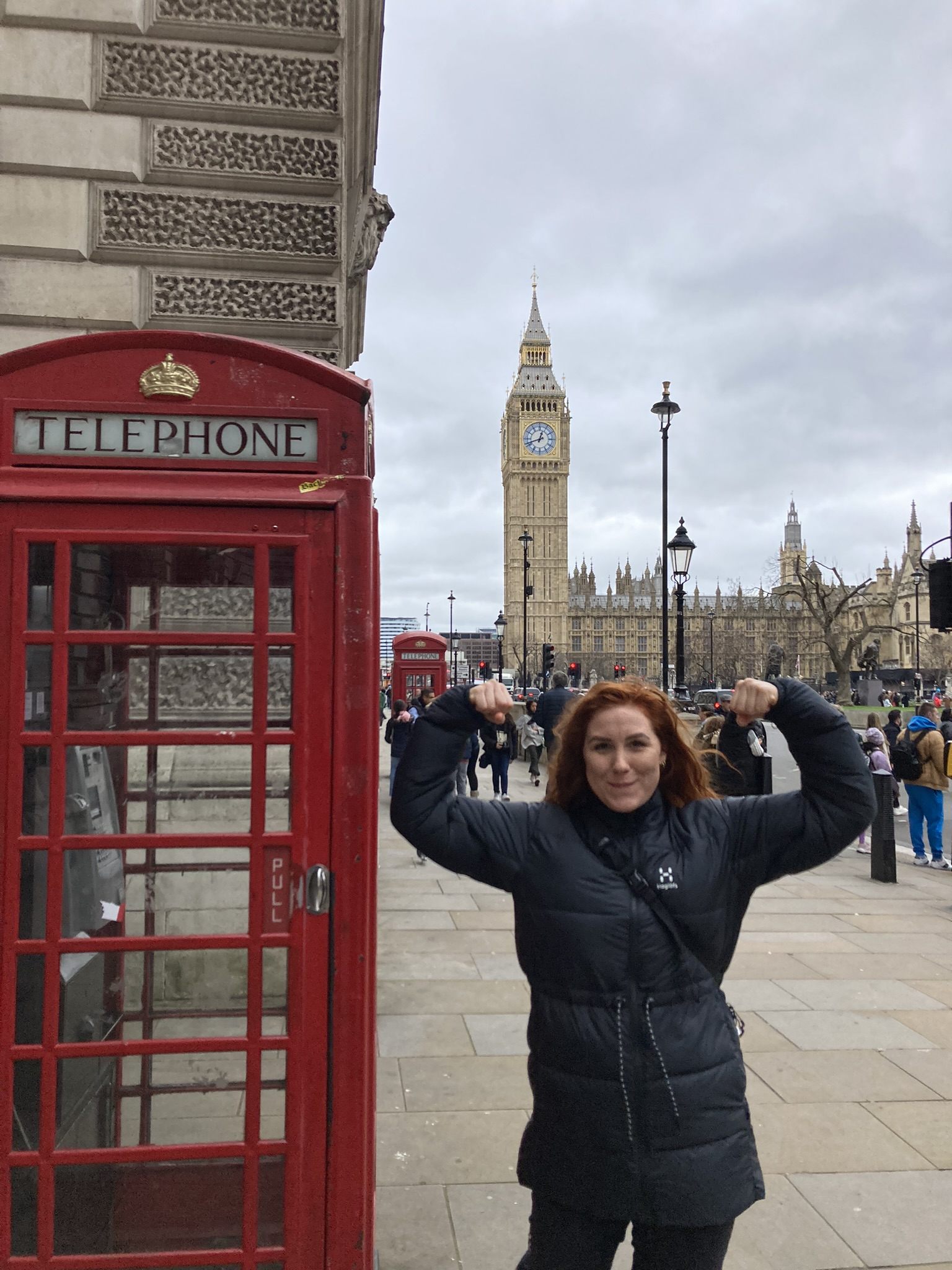
From the London Eye we walked across Westminster Bridge to the classic view: the Palace of Westminster, where the UK Parliament sits, and the clock tower. A small but useful detail: the tower is called the Elizabeth Tower – Big Ben is the name of the great bell inside it. It's one of the places most people picture when they think of London, and it was definitely worth seeing while we were there.
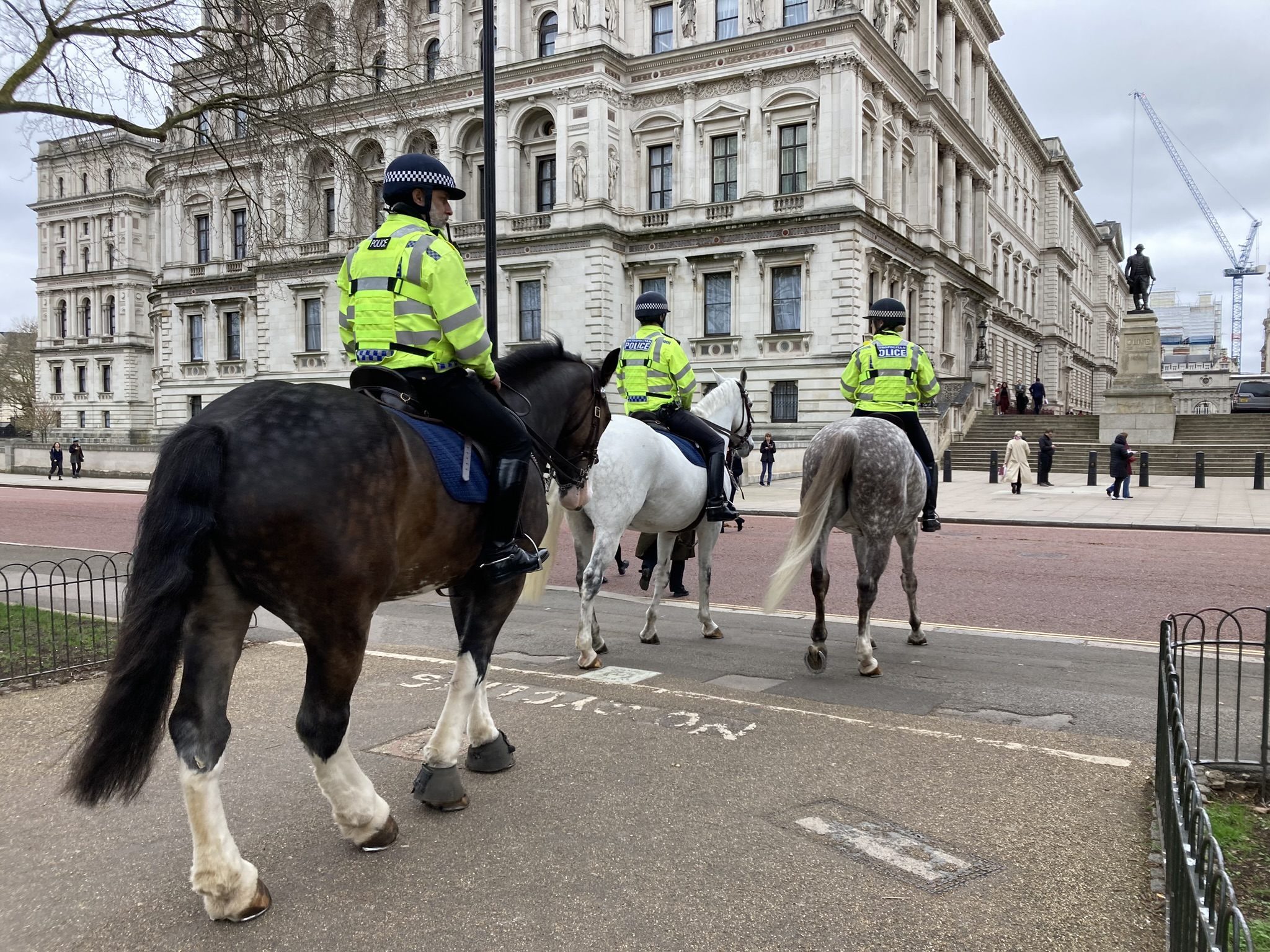
We walked on through St James's Park, where we saw mounted police on patrol – horses in the middle of the city traffic, which was quite a sight.
Buckingham Palace – and a king driving past
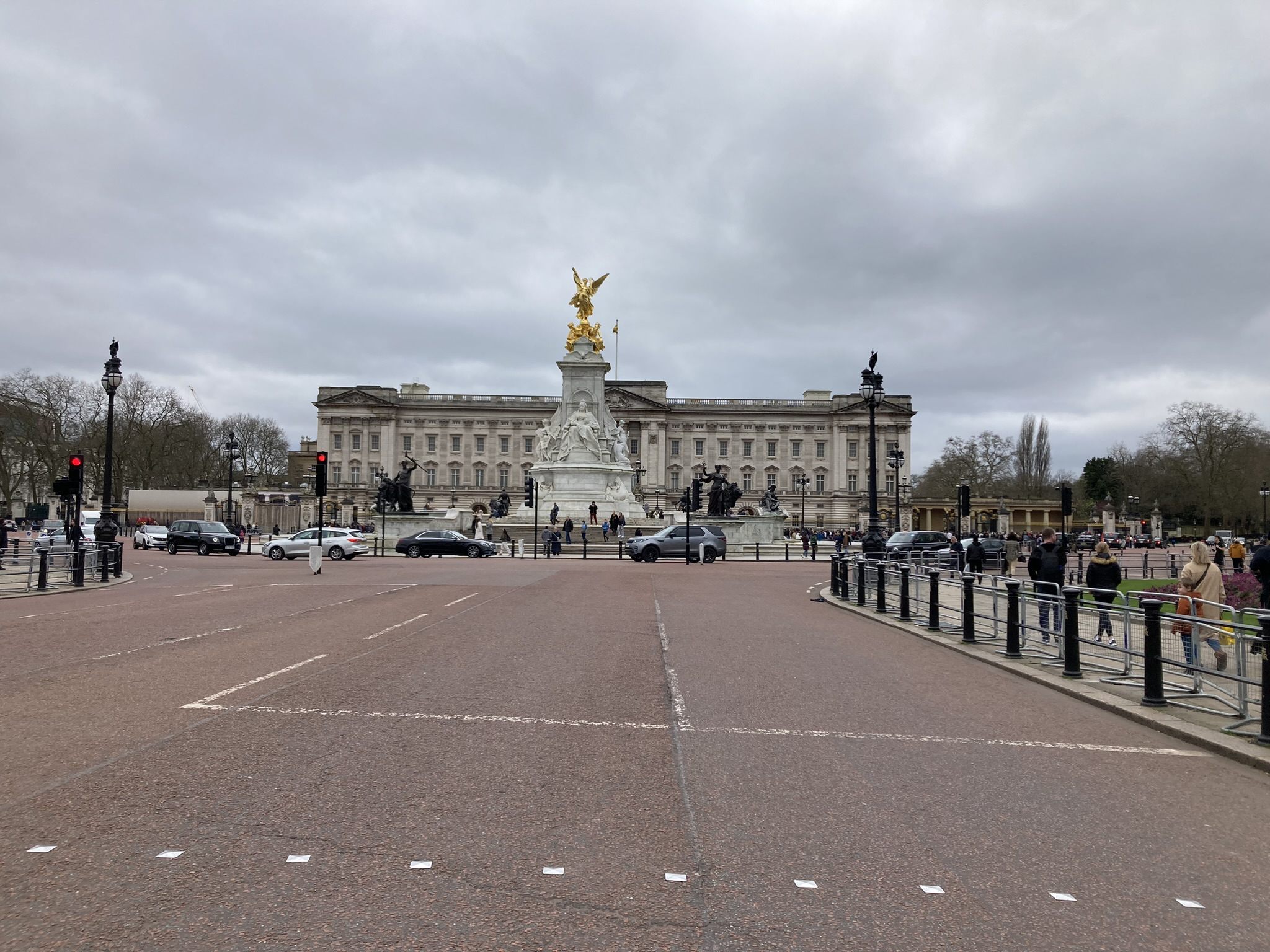
At Buckingham Palace, the London residence of the monarch, there were a lot of people and journalists waiting outside. We didn't know who or what they were waiting for. Then a convoy came out of the palace – and King Charles III drove past right in front of us. It looked to us as though he waved in Kristine's direction. Whether it was meant for her or the crowd, it was a fun, completely unplanned moment we hadn't expected at all.
Piccadilly Circus and Chinatown
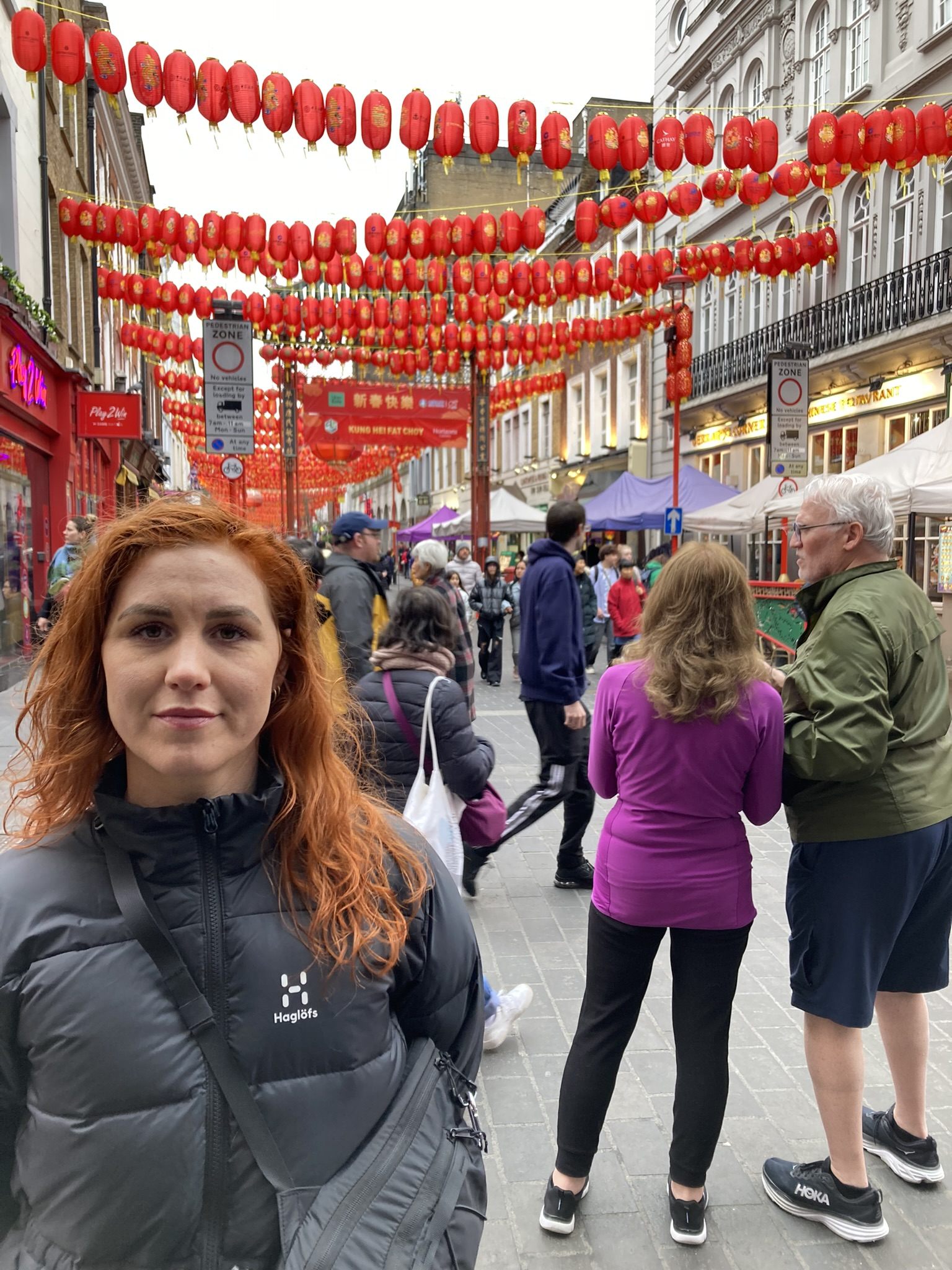
From the palace we walked to Piccadilly Circus, with its giant advertising screens and crowds, and on to Chinatown in Soho. Chinatown has restaurants, shops and souvenir stores under strings of red lanterns, but it was smaller than we'd expected. Fine to walk through if you're nearby; we wouldn't plan a special trip around it. That sums up how we like to travel: we'd rather spend longer in a neighbourhood that interests us than tick off every famous place because it's on a list.
London after dark: the Thames, St Paul's and Tower Bridge
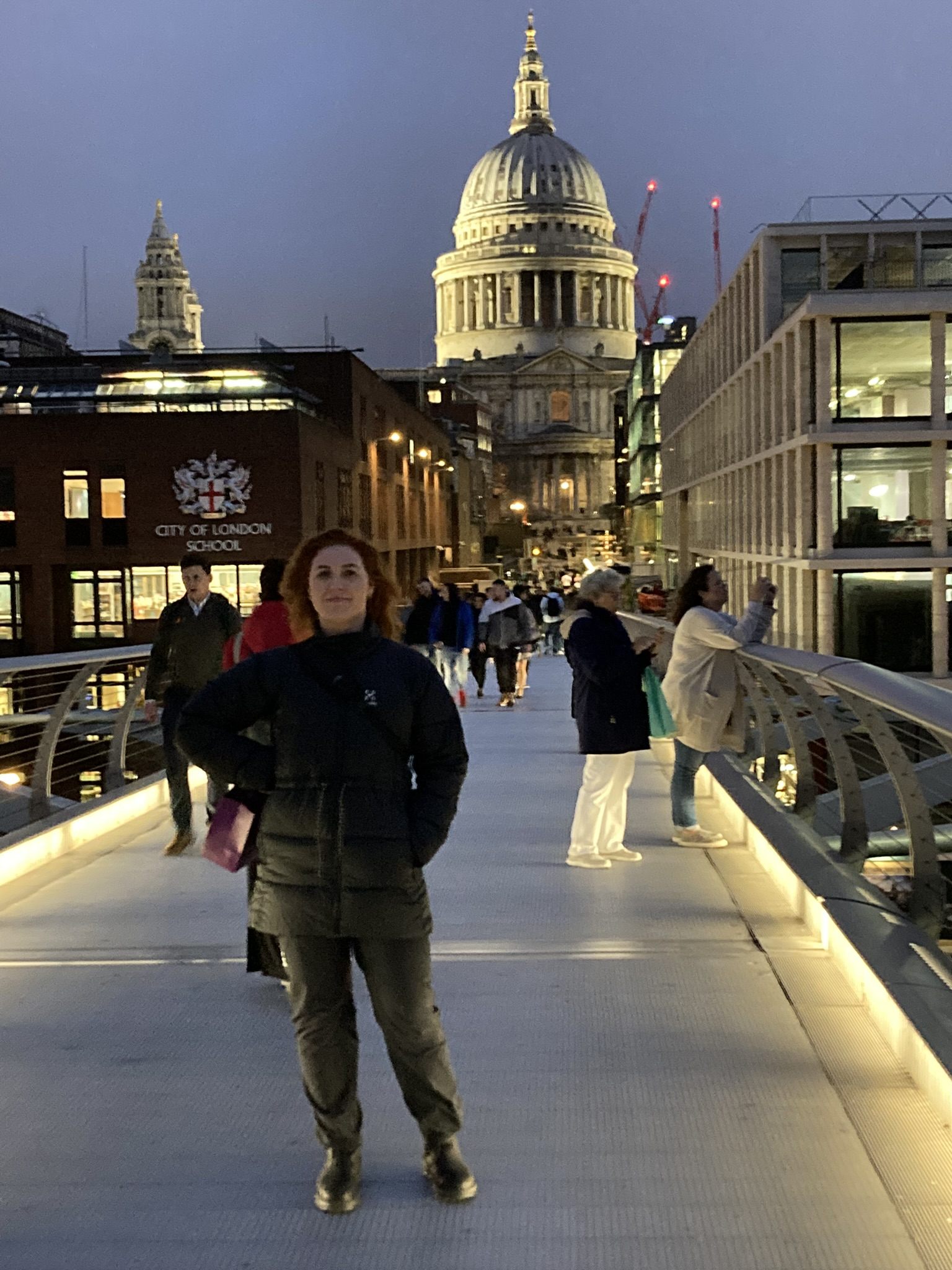
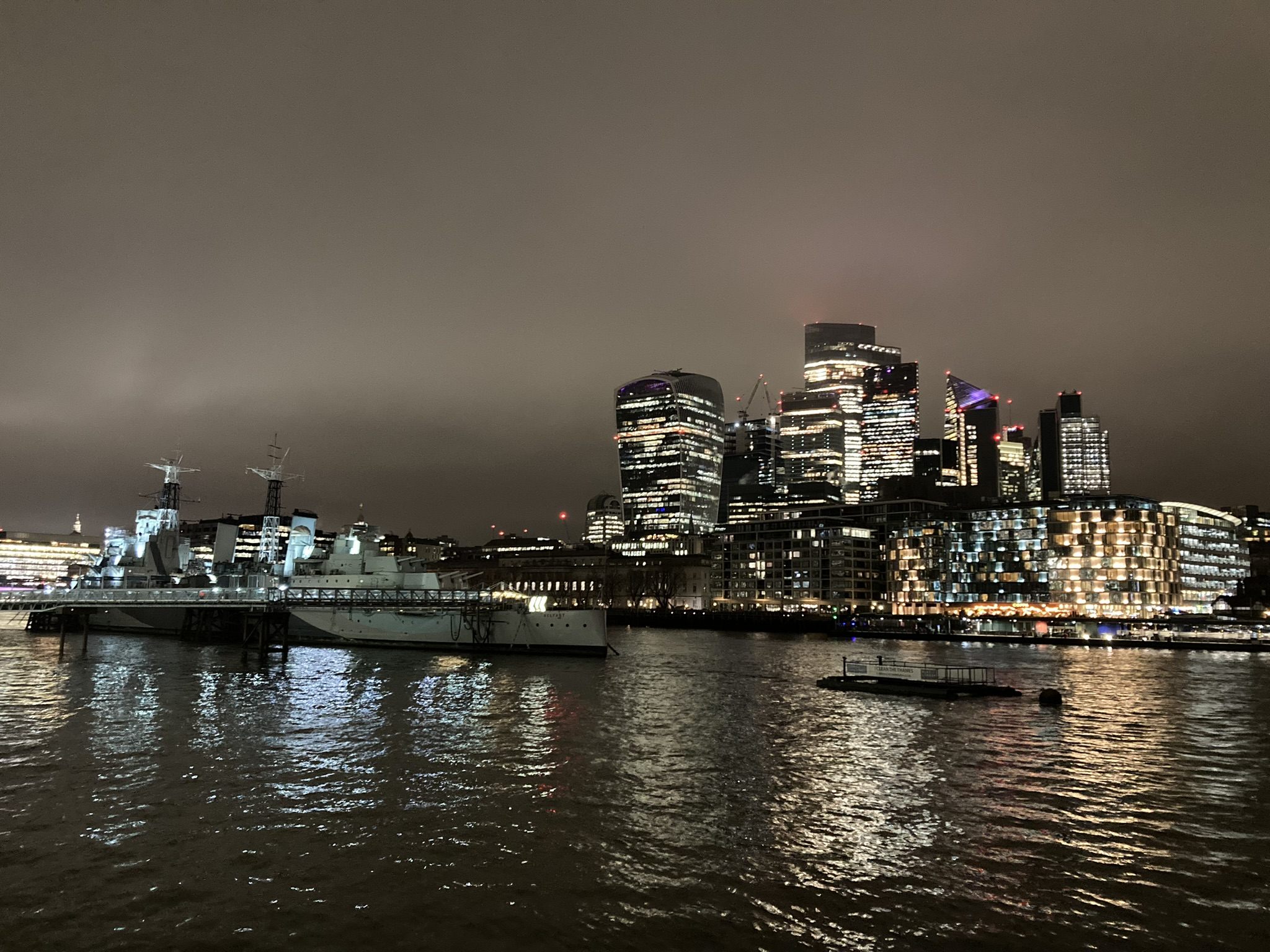
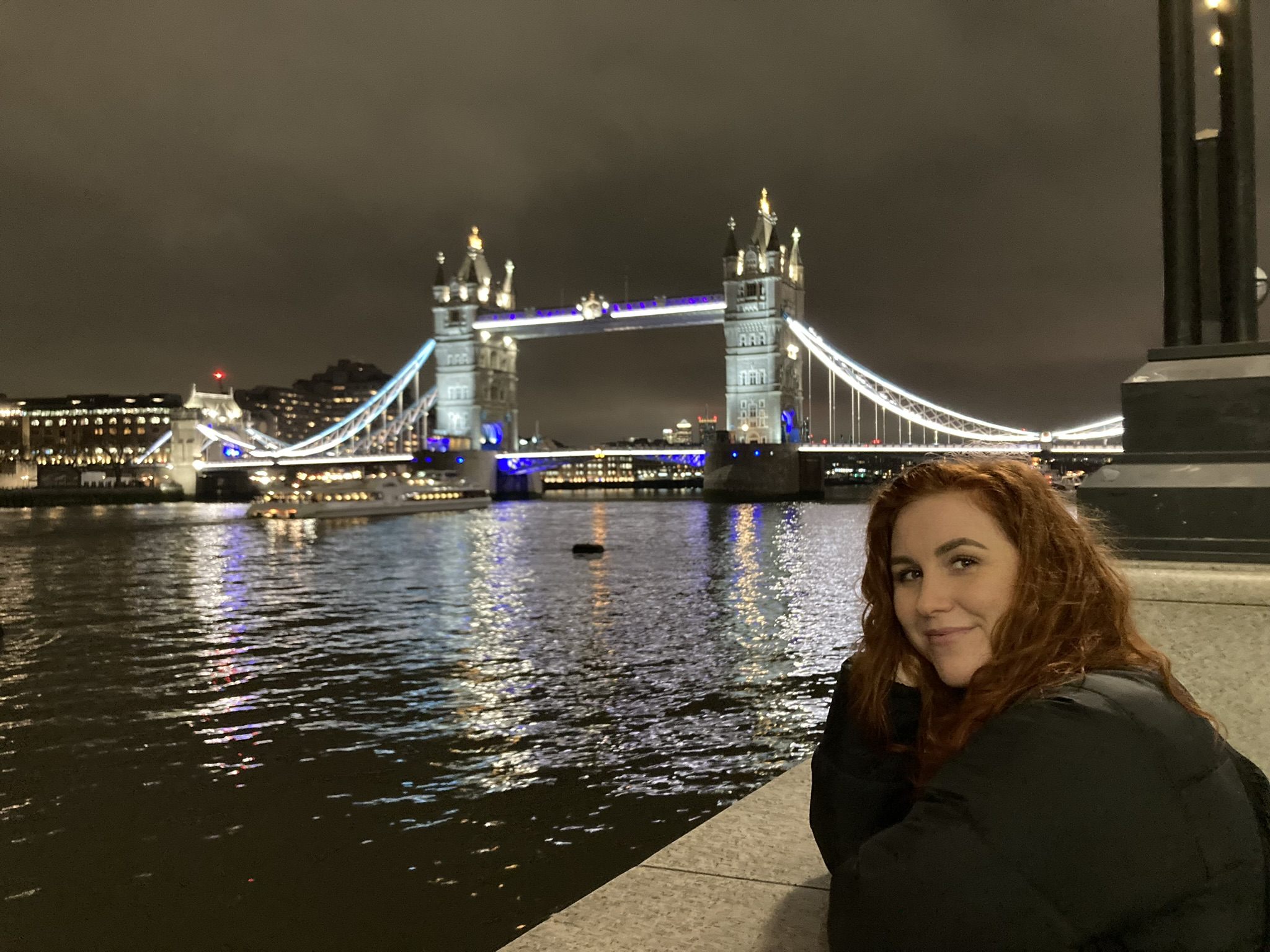
One of the best parts of the whole trip was walking along the Thames as it got dark. We crossed the Millennium Bridge with St Paul's Cathedral lit up behind us, looked across at the City skyline and The Shard, and walked on to the Tower of London and Tower Bridge. Here the classic landmarks really worked for us – as one long walk along the river, rather than standing in front of each one for a photo.
A short history of Tower Bridge
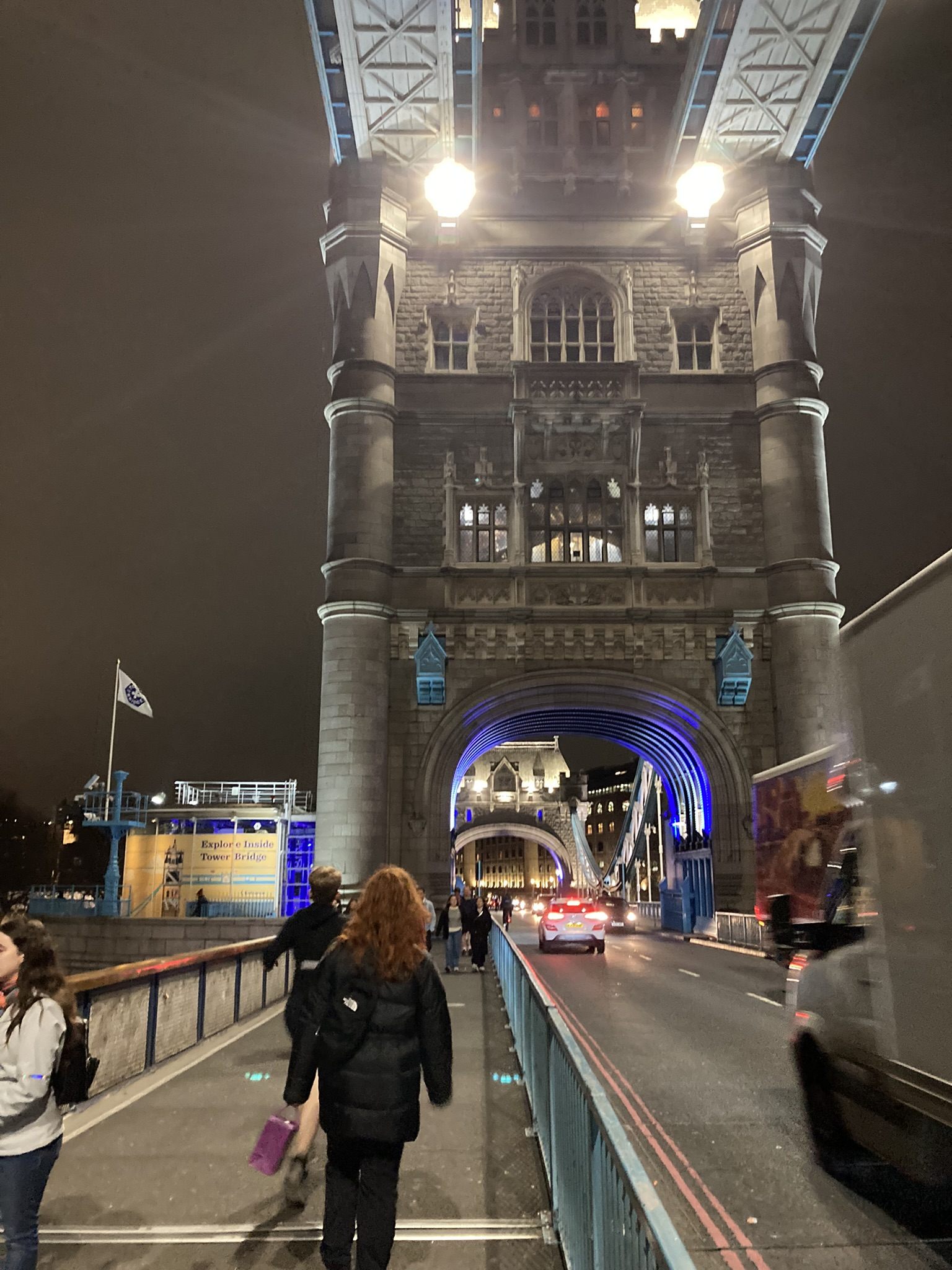
Tower Bridge opened in 1894 as a combined road bridge and bascule bridge: road traffic crosses the river, while the two lifting sections – the bascules – rise to let ships pass upriver. Originally the bascules were lifted by hydraulics powered by steam engines. In the 1970s an electro-hydraulic system took over, completed in 1976, with electric pumps providing the hydraulic power. The bridge still opens for ships, which have to request a lift in advance. The old steam engines can be seen in the Engine Rooms.
Across the river, The Shard – London's pointed glass skyscraper, about 310 metres tall – dominates the skyline. But for us, the facts weren't the point. It was the feeling of walking along the river with the lights coming on.
Sources: How does Tower Bridge work? and London Eye history and facts.
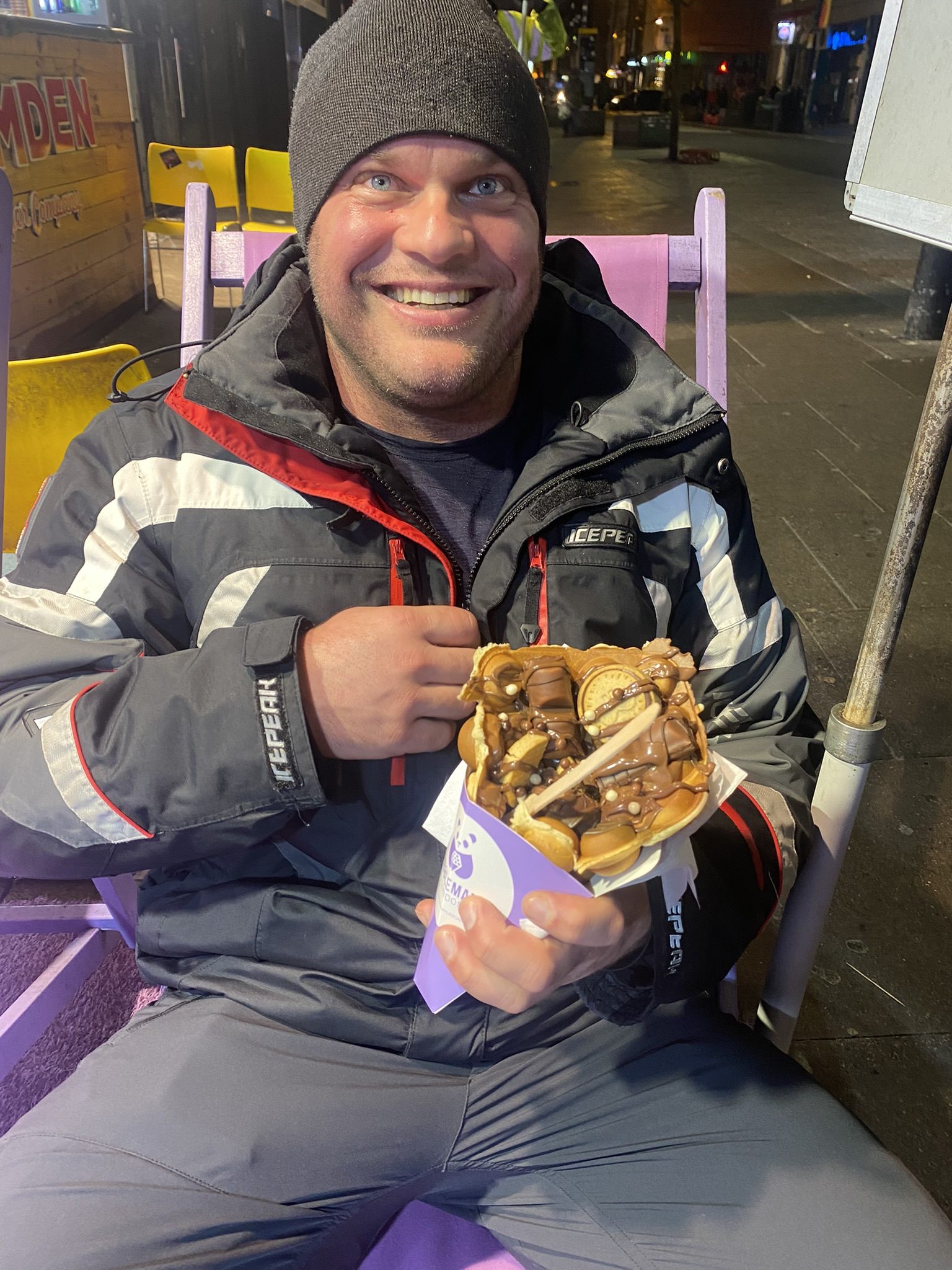
Back in Camden, I bought a huge waffle from a street stall – a perfect, informal end to a very long day.
Day 3: Brick Lane – one of our favourite parts of London
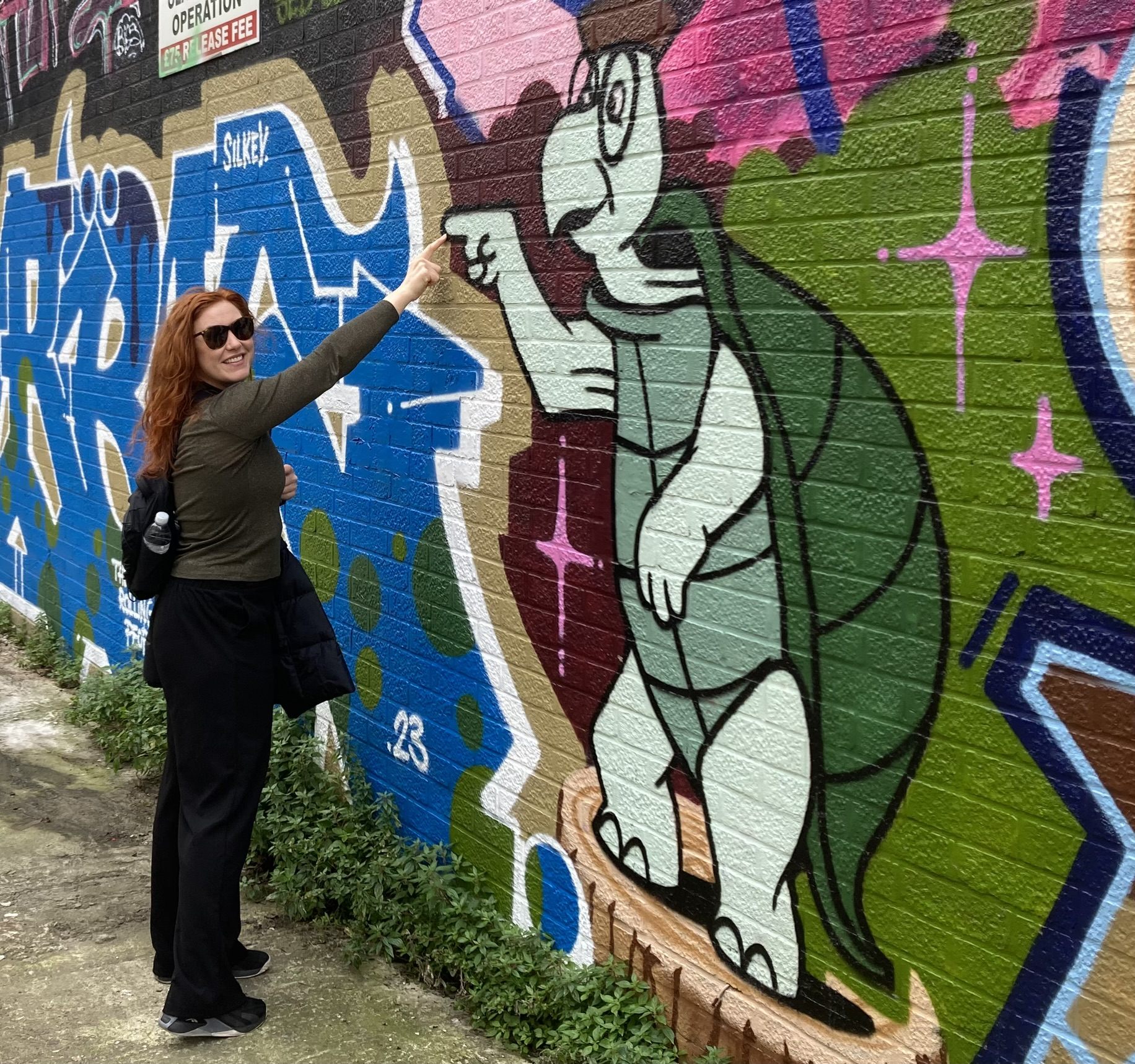
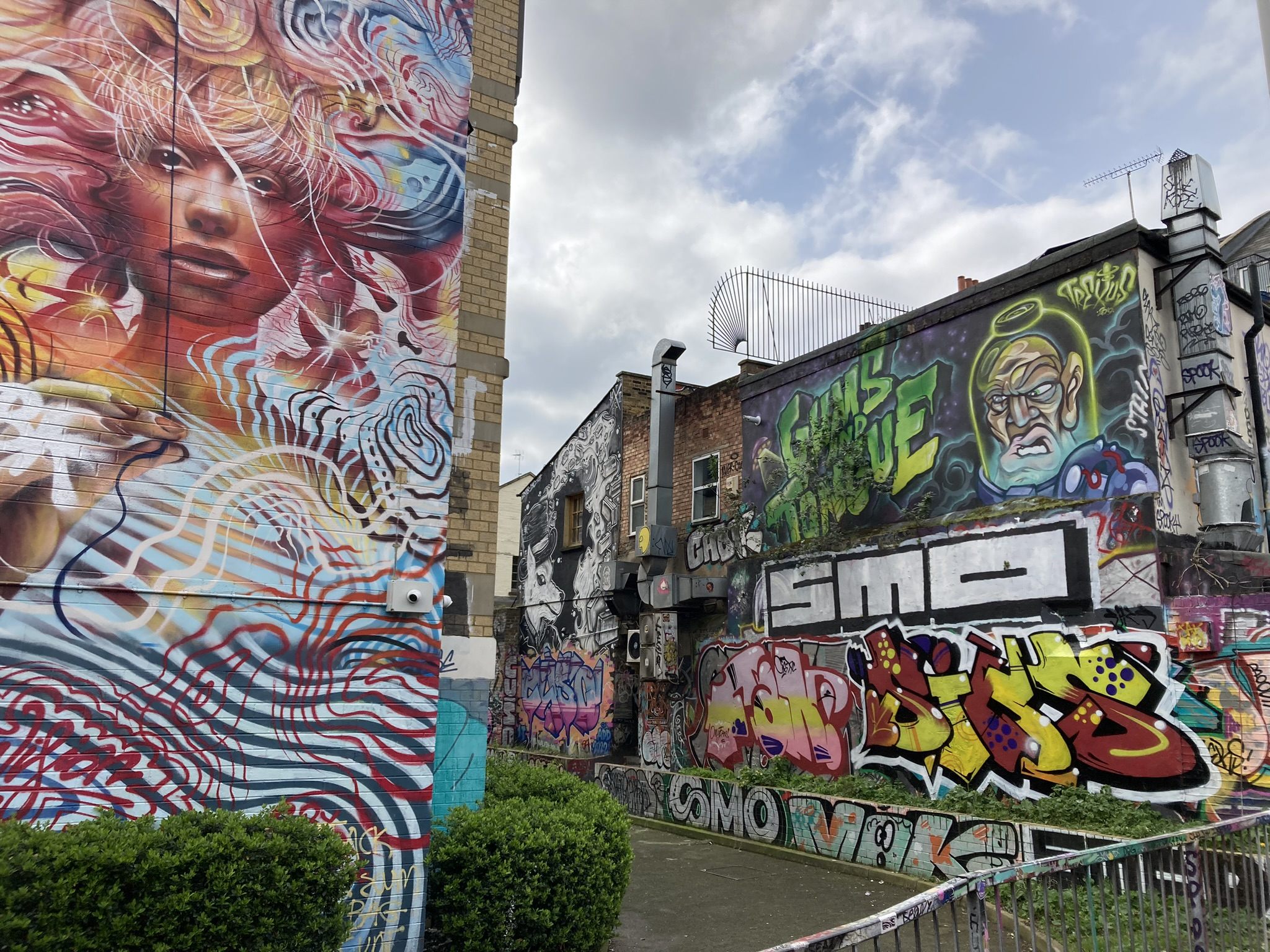
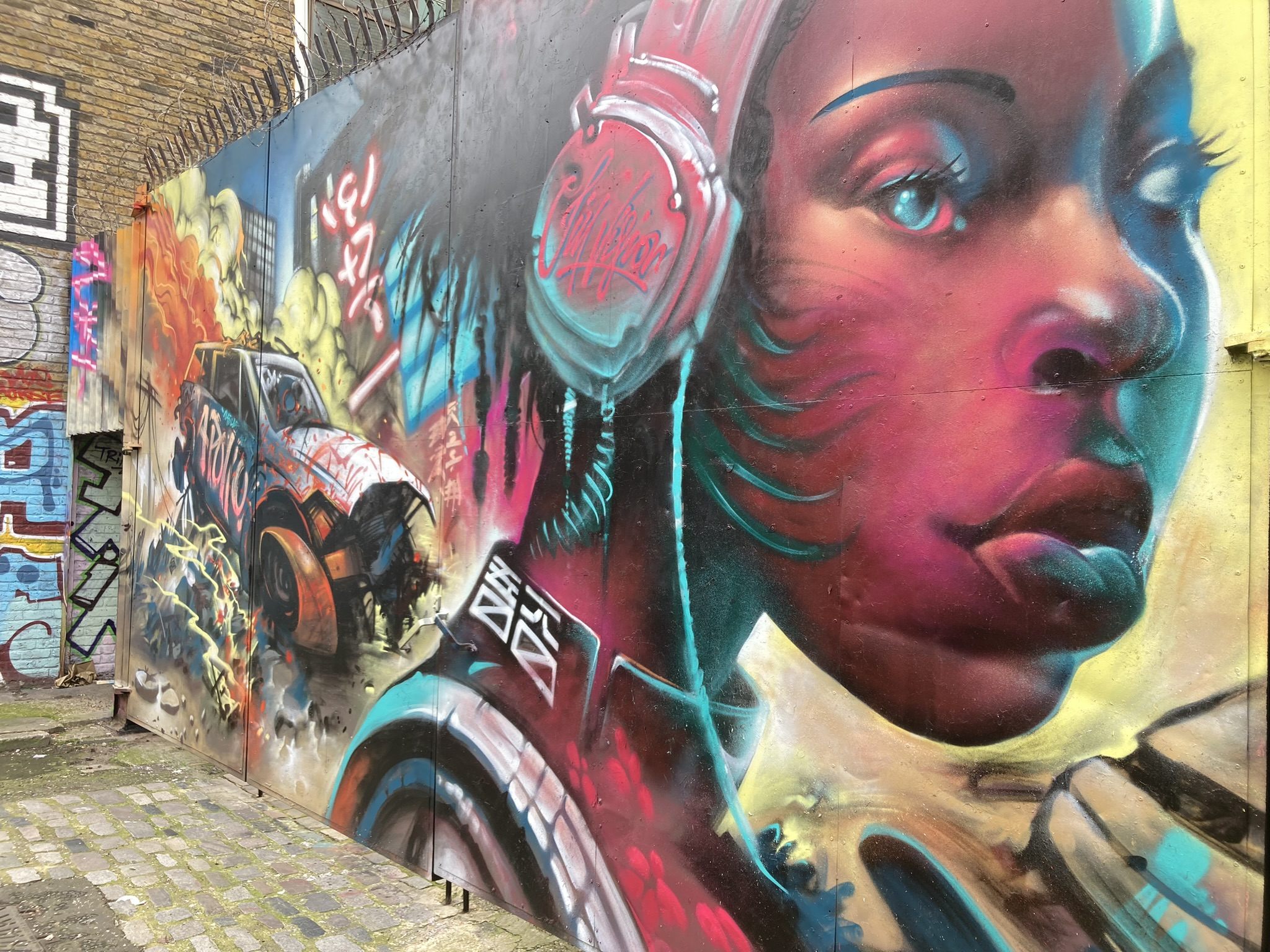
The next day we took the Tube to East London to explore Brick Lane and the area around Spitalfields. This was one of our favourite parts of the city – more character, more colour and much more interesting to us than the big shopping streets.
A little Brick Lane history
The name is usually linked to the brick and tile making that once went on in the area. Over the centuries Spitalfields and Brick Lane became home to French Huguenot refugees and their weaving trade, then to Jewish immigrants from Eastern Europe, and from the 1970s to a large Bangladeshi community – which is why the area is also known as Banglatown and is famous for its South Asian restaurants. You can see those layers in the buildings: the mosque on Brick Lane started life as a Huguenot chapel and later served as a synagogue.
What we enjoyed
We wandered past vintage shops, art and long walls covered in graffiti, and spent time at Old Spitalfields Market, where Kristine browsed the clothes stalls. There are markets around Brick Lane at weekends, but opening days differ from market to market, so check before you go – weekends are the busiest.
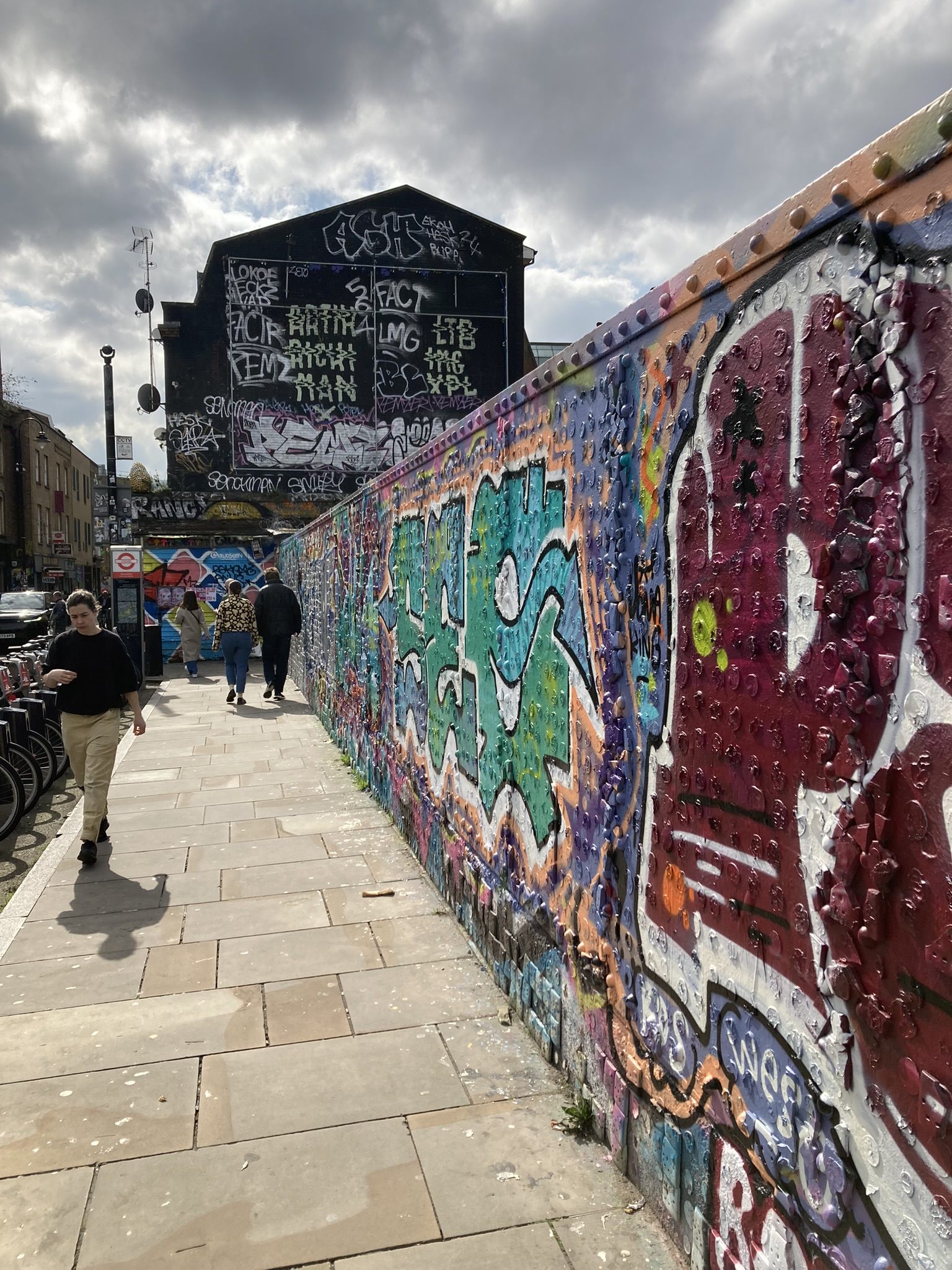

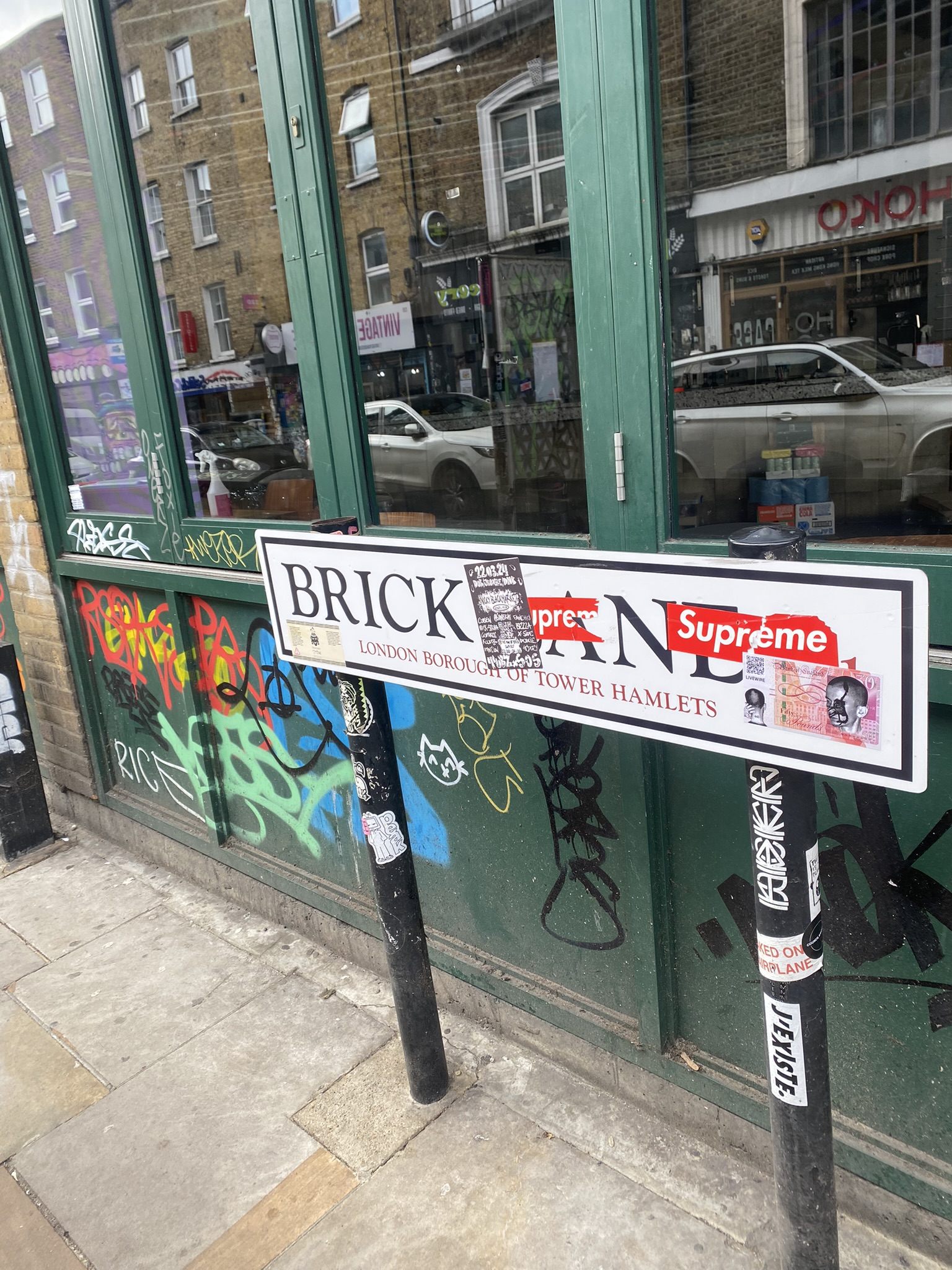
Our recommendation is clear: Brick Lane is well worth a visit, especially if you like street art, vintage, markets and a neighbourhood with a more alternative atmosphere.
Old Spitalfields Market – check current opening hours.
Little Venice – a pleasant walk, but not what we'd hoped
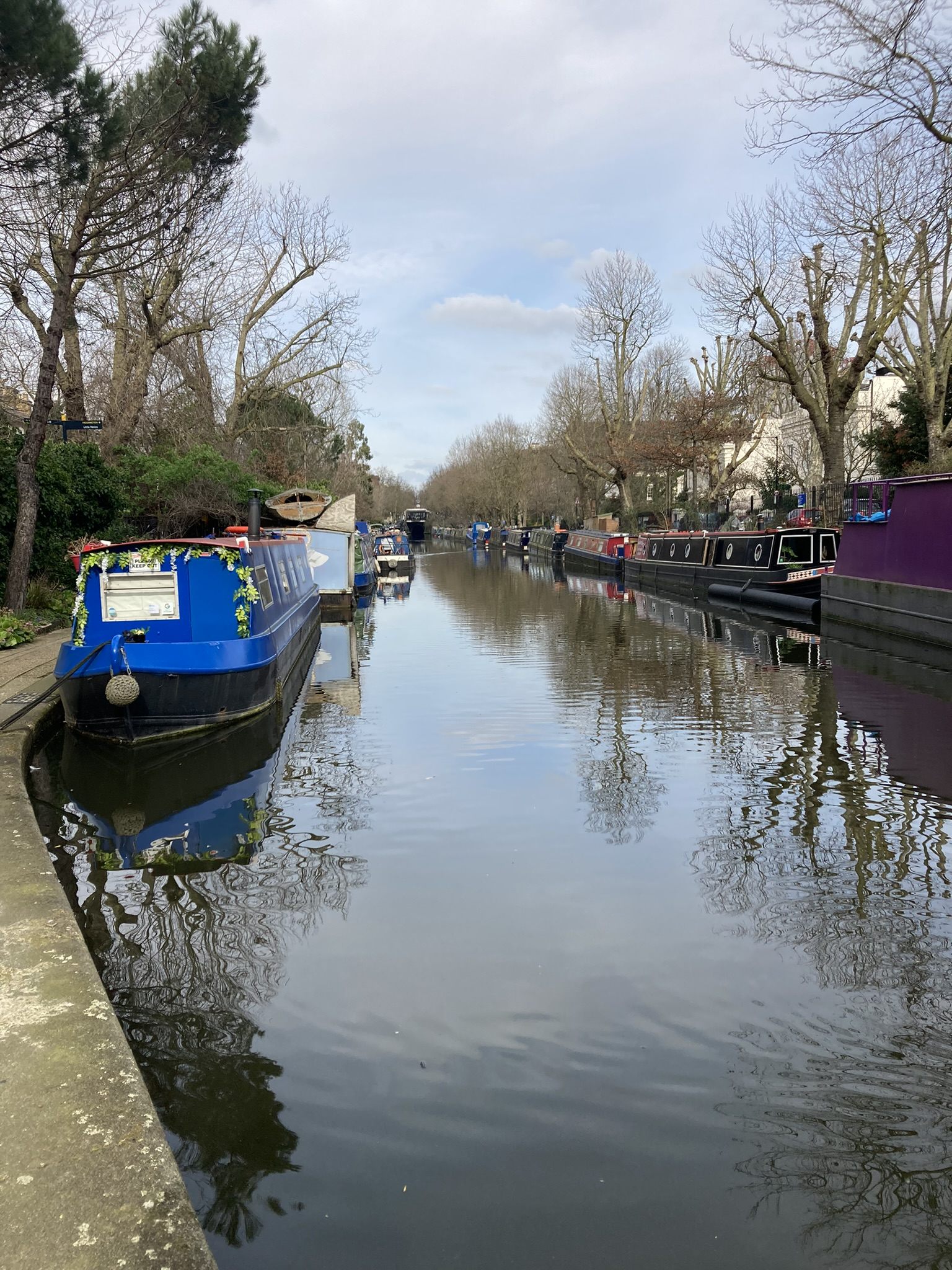
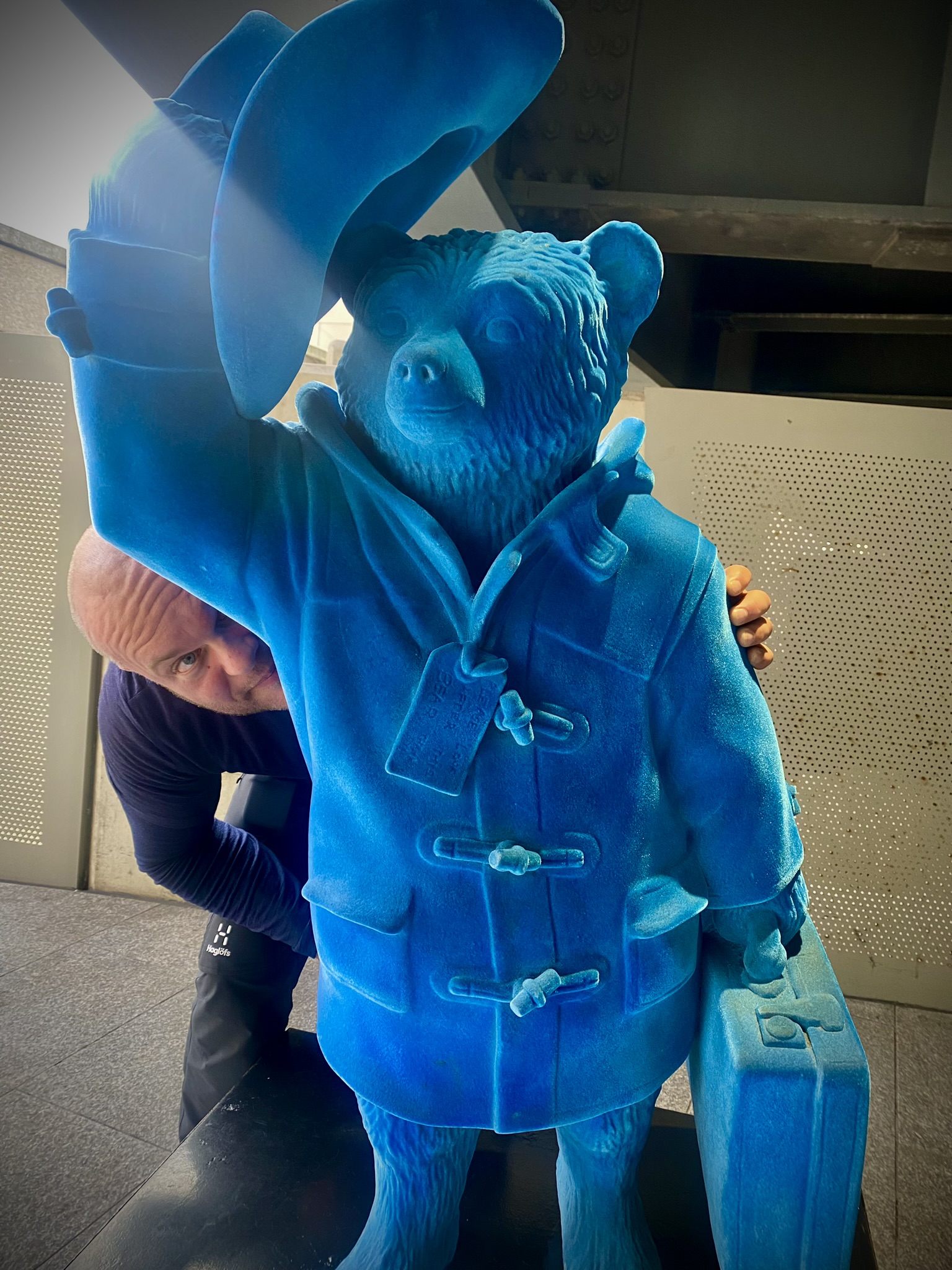
From East London we took the Tube west to Paddington – where a blue Paddington Bear was waiting – and walked to Little Venice, where the canals meet. We'd been looking forward to taking a canal boat from Little Venice to Camden – but on our visit in mid-March the boats hadn't started their season yet. So we walked along the canal instead.
It was peaceful, with houseboats and still water, but it didn't have as much to offer as we'd expected. Not a bad experience, just not one of the highlights. If you want to do the boat trip, check the operators' seasons and timetables before you go – they typically run from spring.
The Sherlock Holmes Museum – a disappointment for us
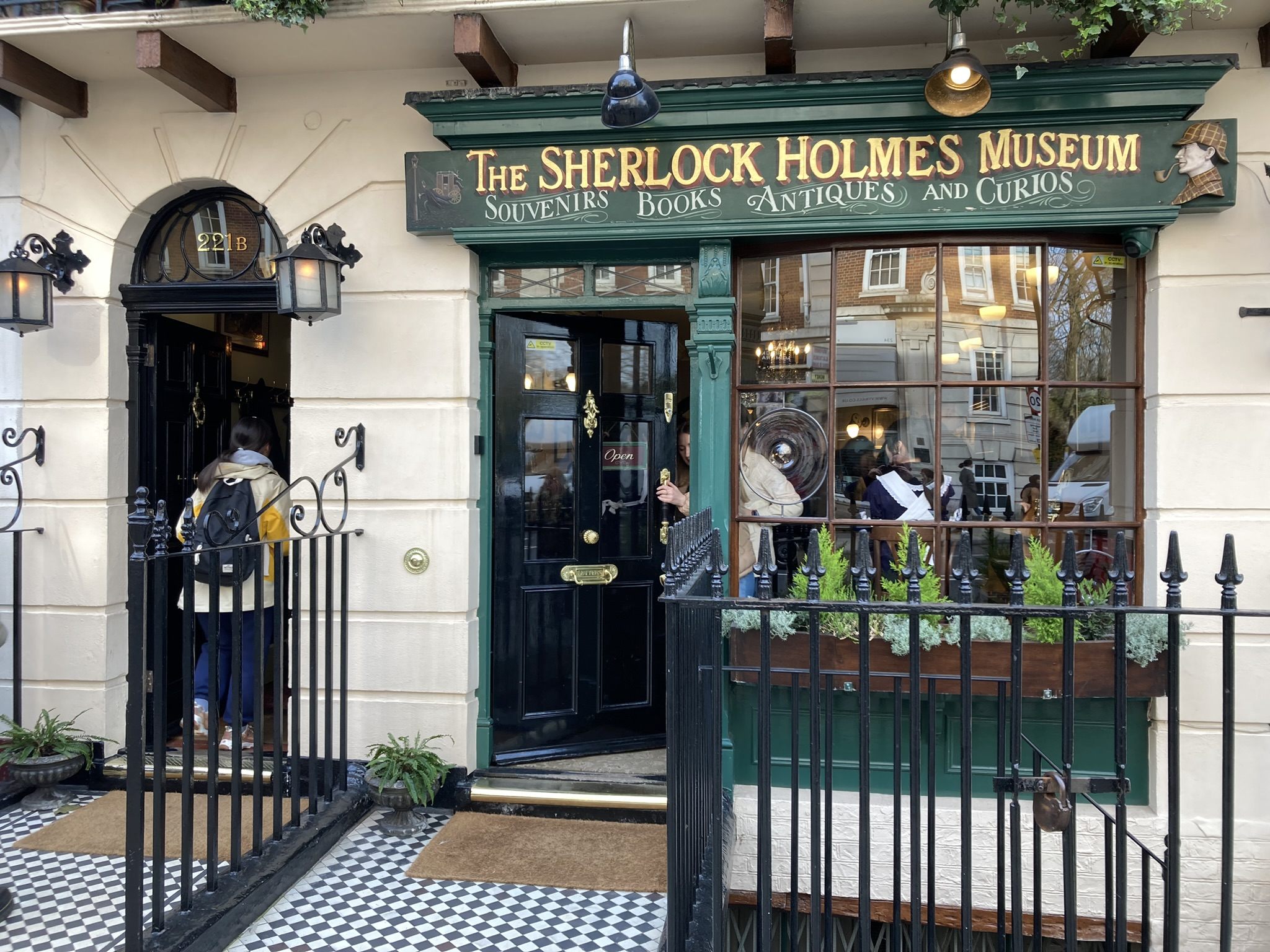
We both like Sherlock Holmes, so we wanted to visit the Sherlock Holmes Museum at 221b Baker Street. We'd expected more, and for us it didn't live up to it. It was a disappointment, and we wouldn't prioritise it again. Dedicated Holmes fans may well have a different experience.
Back to Camden
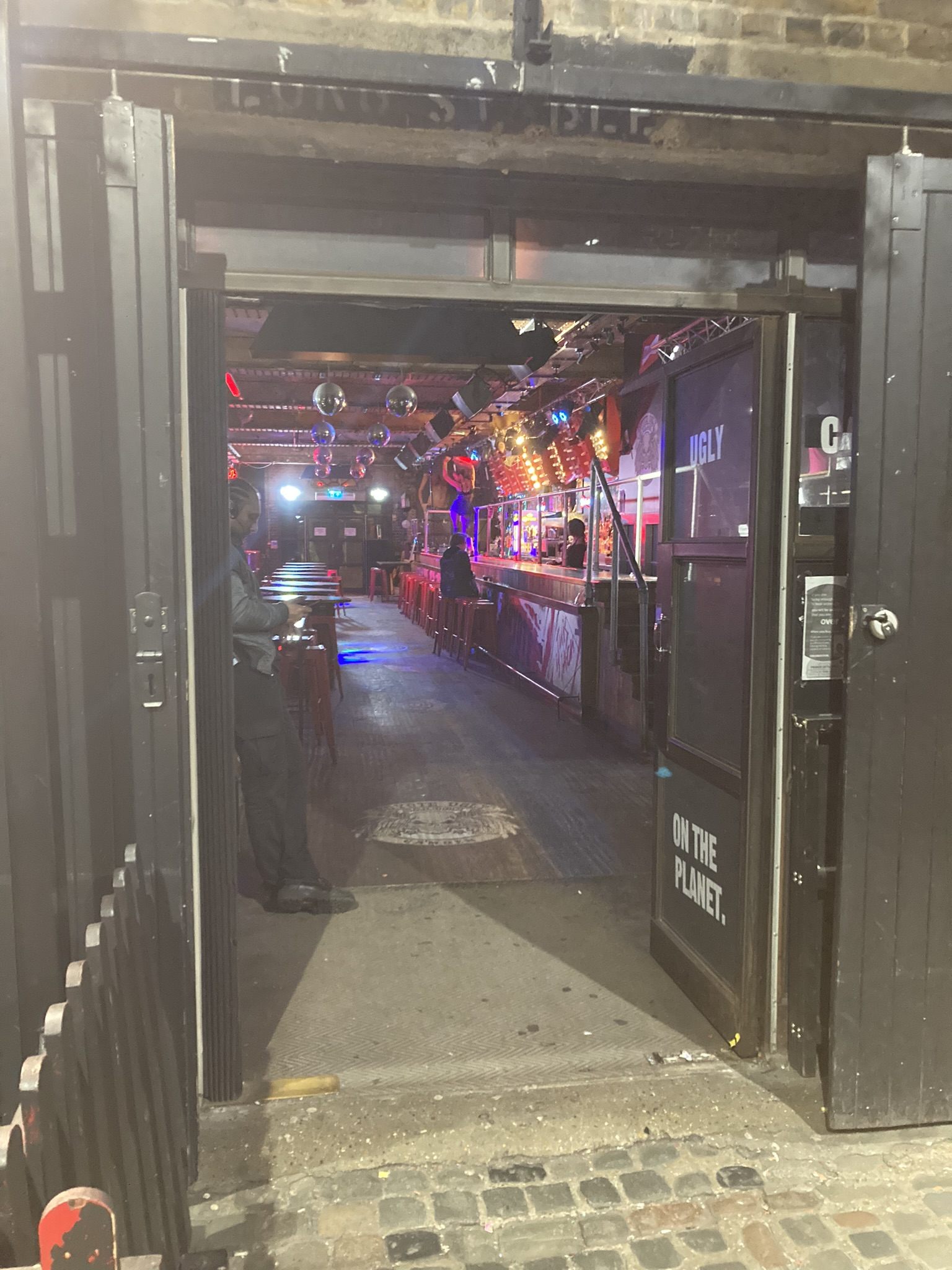
We finished back in Camden, our favourite base. We walked past the Coyote Ugly Saloon in the Stables Market – part of the bar chain behind the 2000 film – and looked inside. It was much quieter than we'd imagined: one customer at the bar when we were there. Different time of day, different story, probably. Then a last look at Camden Lock at night.
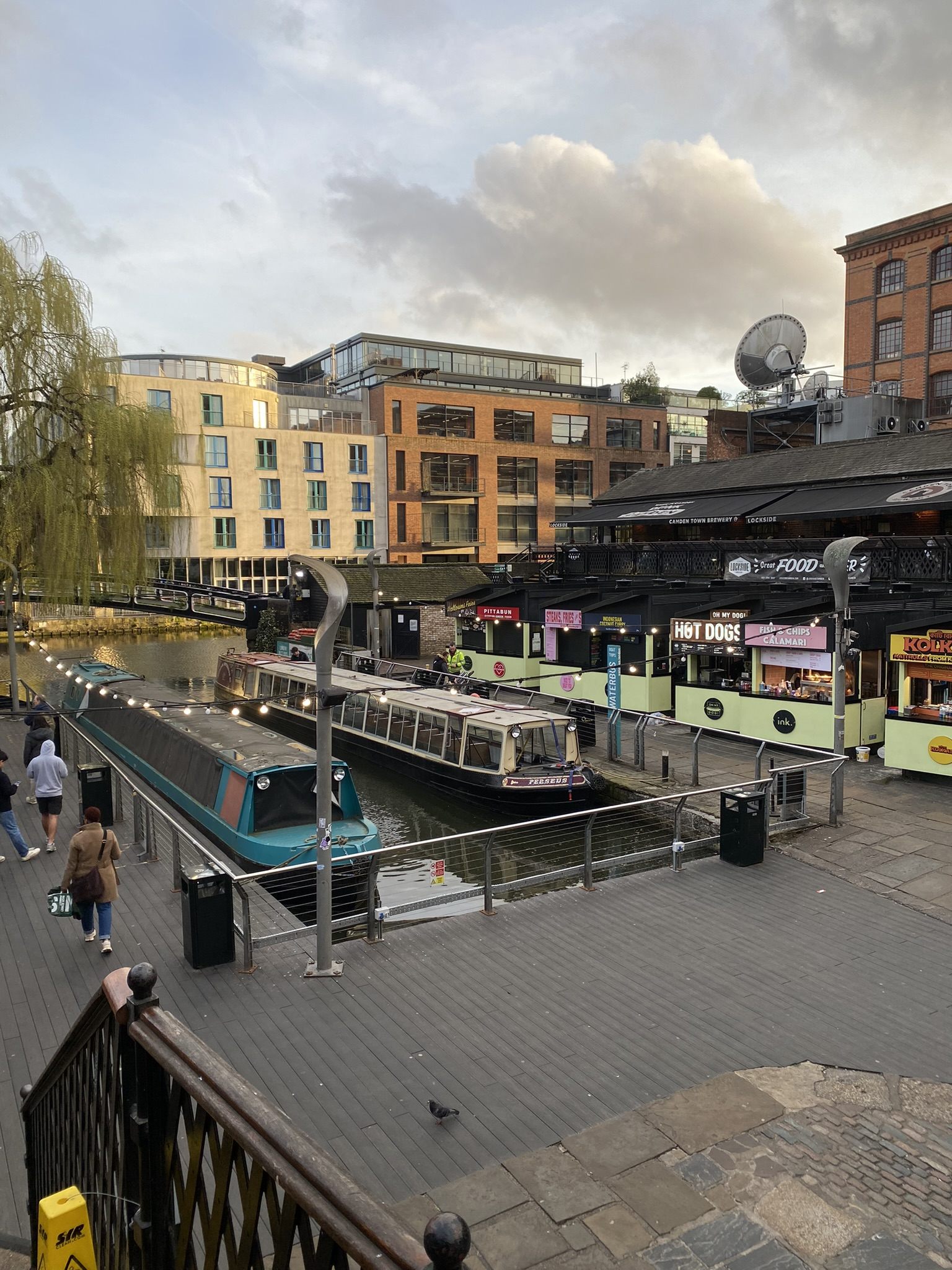
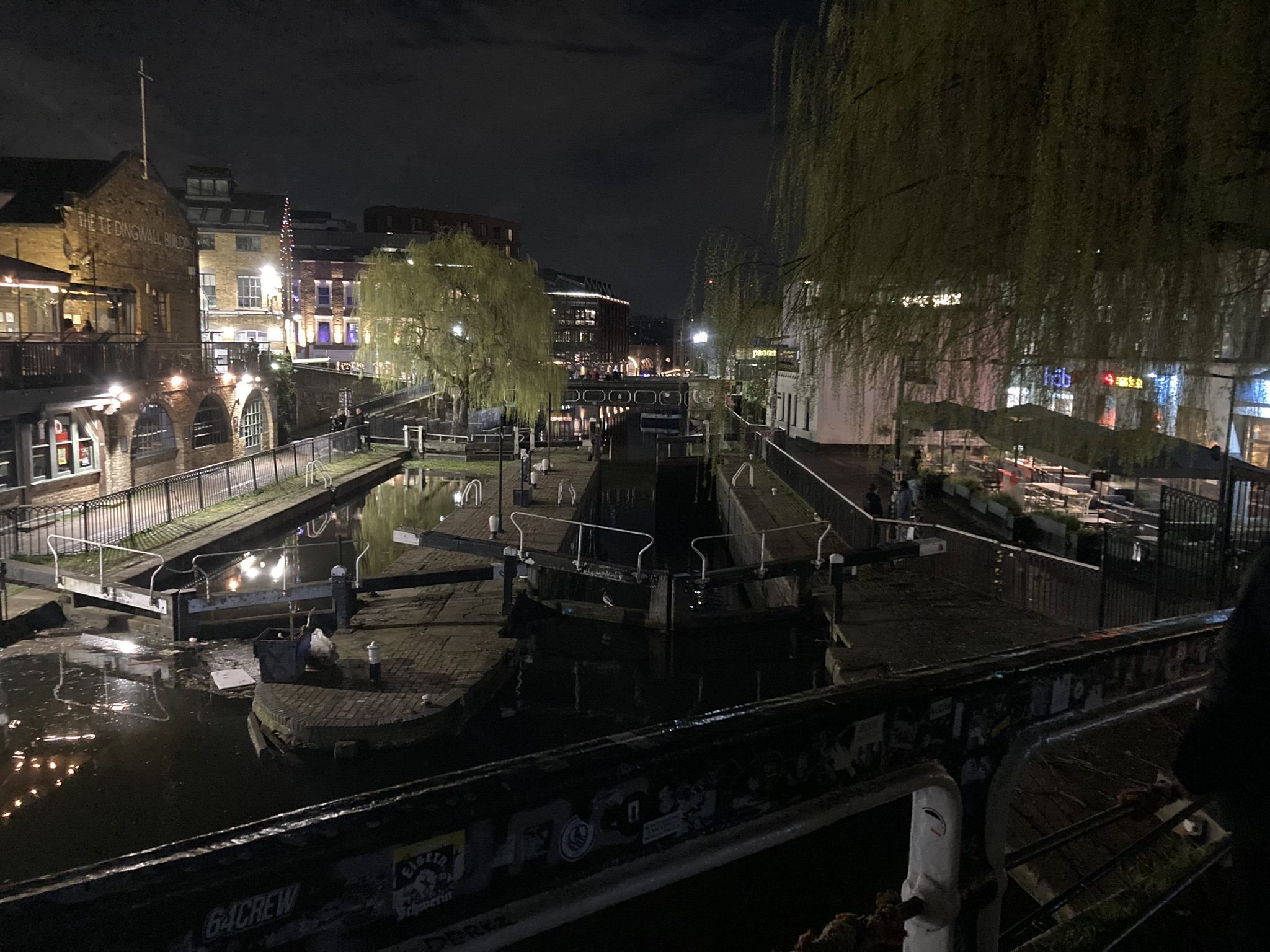
We were really glad we stayed in Camden. It suited our interests far better than a hotel in the middle of the shopping district would have.
Our honest London recommendations
What we would recommend
- Camden Town – one of our favourite areas to stay in and explore.
- Brick Lane and East London – for street art, vintage, markets and layers of history.
- The Thames at night – one of the best experiences of the trip: Millennium Bridge, St Paul's, The Shard and Tower Bridge lit up.
- The London Eye – good views, but expensive. We're glad we did it; it's not an automatic must for everyone.
- Westminster and Buckingham Palace – classic landmarks, best combined with a walk through St James's Park.
- The graffiti tunnel at Waterloo – a good stop if you like street art and rawer urban spaces.
What wasn't for us
- Oxford Street and Carnaby Street – too commercial and modern for what we look for when we travel.
- The British Museum – free, huge and important, but we preferred spending the time outside. That's about our interests, not the museum.
- Chinatown – fine if you're passing, but smaller than we'd expected.
- Little Venice – a pleasant canal walk, but without the boat to Camden it wasn't a highlight for us.
- The Sherlock Holmes Museum – a disappointment for us, even as fans. Others may feel differently.
Practical tips for 3 days in London
- Where to stay: we'd choose Camden again – it suited us. If you want quiet, luxury hotels or to be next to specific sights, other areas may suit you better.
- Getting around: the Tube with contactless payment made it easy. Use the same card or device all day.
- Compare transport costs: UK train tickets can be expensive, especially booked late. If you're two or more, compare with a car or a ride app – prices vary, so check the total.
- Book popular attractions ahead: we booked the London Eye from home with Fast Track. Always check prices for your dates.
- Plan by neighbourhood: group things geographically instead of crossing London back and forth. Camden, Brick Lane/Spitalfields, Westminster and the Thames can each fill part of a day.
- Consider a stadium tour: we didn't have time on this trip, but on an earlier visit I did a tour of Wembley Stadium and thought it was well worth it. A tour of one of London's big football stadiums is a good alternative to another museum.
| When | 18–21 March 2024, three nights |
|---|---|
| Stayed | voco London Camden Lock by IHG, booked on Hotels.com |
| Getting around | London Underground with contactless card or phone |
| London Eye | Booked from home with Fast Track – around 410 DKK each (our 2024 price) |
| Canal boats | Not yet running in mid-March when we visited – check the season |
Final thoughts
London can be experienced through its iconic landmarks and through the neighbourhoods with the most character – and we'd recommend doing both. For us, Camden, Brick Lane and the evening walk along the Thames were the strongest experiences, while several of the classic shopping and museum visits didn't match our interests.
If you like street art, markets and areas with a bit of edge, London has plenty for you beyond the postcard sights. If we went back, we'd stay in Camden again, spend more time in East London, walk the river after dark – and probably finally do that canal boat to Camden.
More from our trips to the UK: Scotland, including lifting the Dinnie Stones and hiking Ben Nevis via the CMD Arête.