The hard way to learn about hiking footwear
I'm not a footwear expert, and I'm not going to pretend to be one. But after years of struggling to find shoes that fit my wide feet, losing toenails on long hikes and dealing with blisters, I've learned a few things about what works for me.
This is my personal experience of finding hiking shoes that let me cover long distances more comfortably. It isn't a universal recommendation – everyone's feet are different – but if you also have wide feet or struggle with toe pressure on descents, some of it might help.
The short version
My problem: wide feet, and shoes that were too short and too narrow for long descents. What works for me now: Altra Olympus 5 Hike Low GTX for wet trails and mountains, and a Topo Athletic shoe for warmer, drier hikes – both with a wide toe box, and in a larger size than I used to buy. The biggest lesson: judge the fit for long descents, not for standing in a shop.
When I realised my shoes weren't working
My footwear problems became particularly obvious on 14 May 2021, when I walked from Hirtshals to Grenen near Skagen and back again.
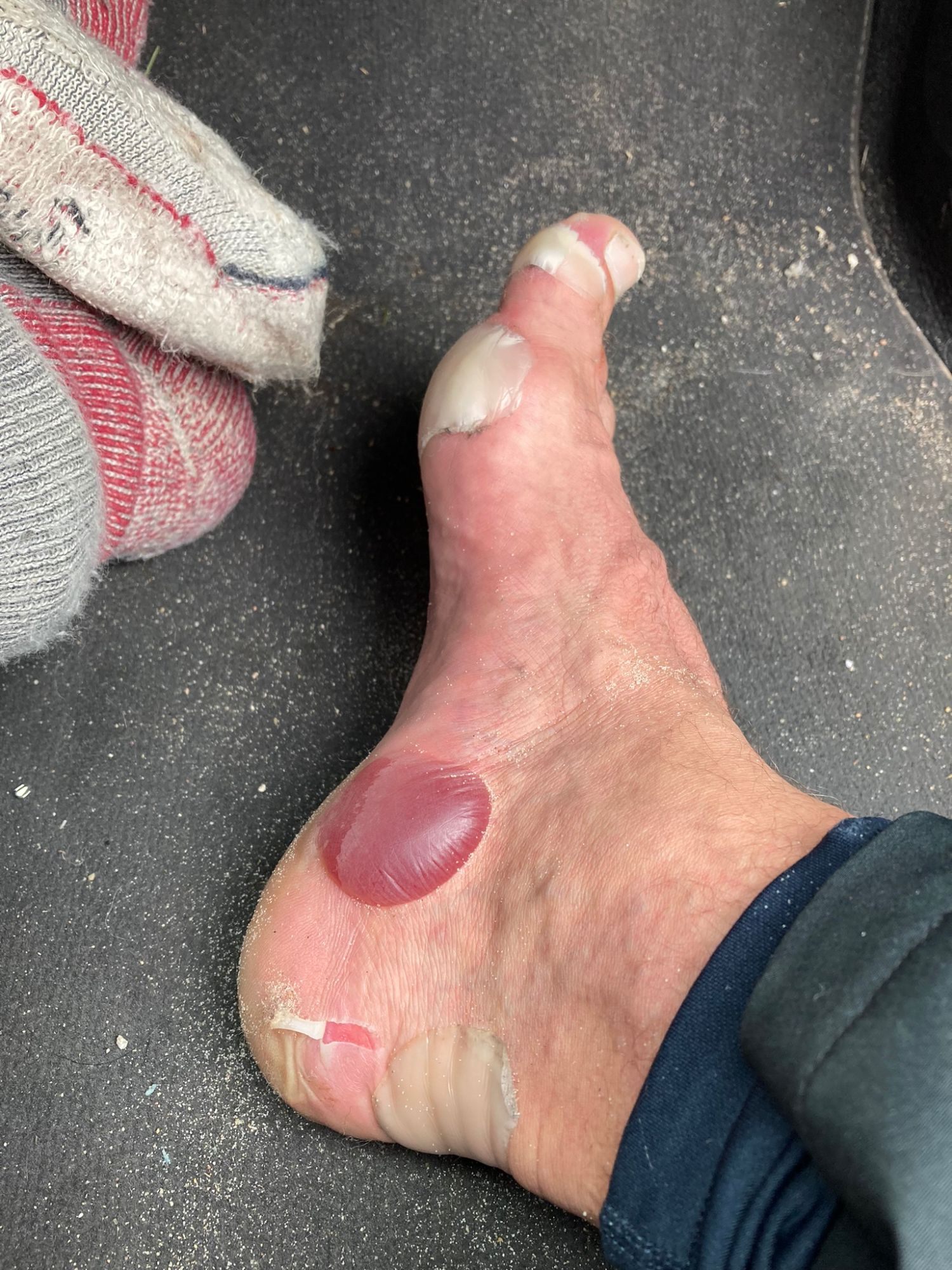
I wore a pair of ordinary Keen hiking shoes in size EU 42.5. Keen is often associated with roomier footwear, so I thought I'd made a reasonable choice. After the hike, I had lost both my little toenail and my big toenail and had several blisters.
It was a tough lesson: a shoe that's marketed or perceived as wide-fitting isn't necessarily the right fit for every foot, especially over long distances. The year after, my feet paid the price again on my 110 km walk from Hirtshals to Hanstholm.
Nepal in 2022: another lesson in shoe fit
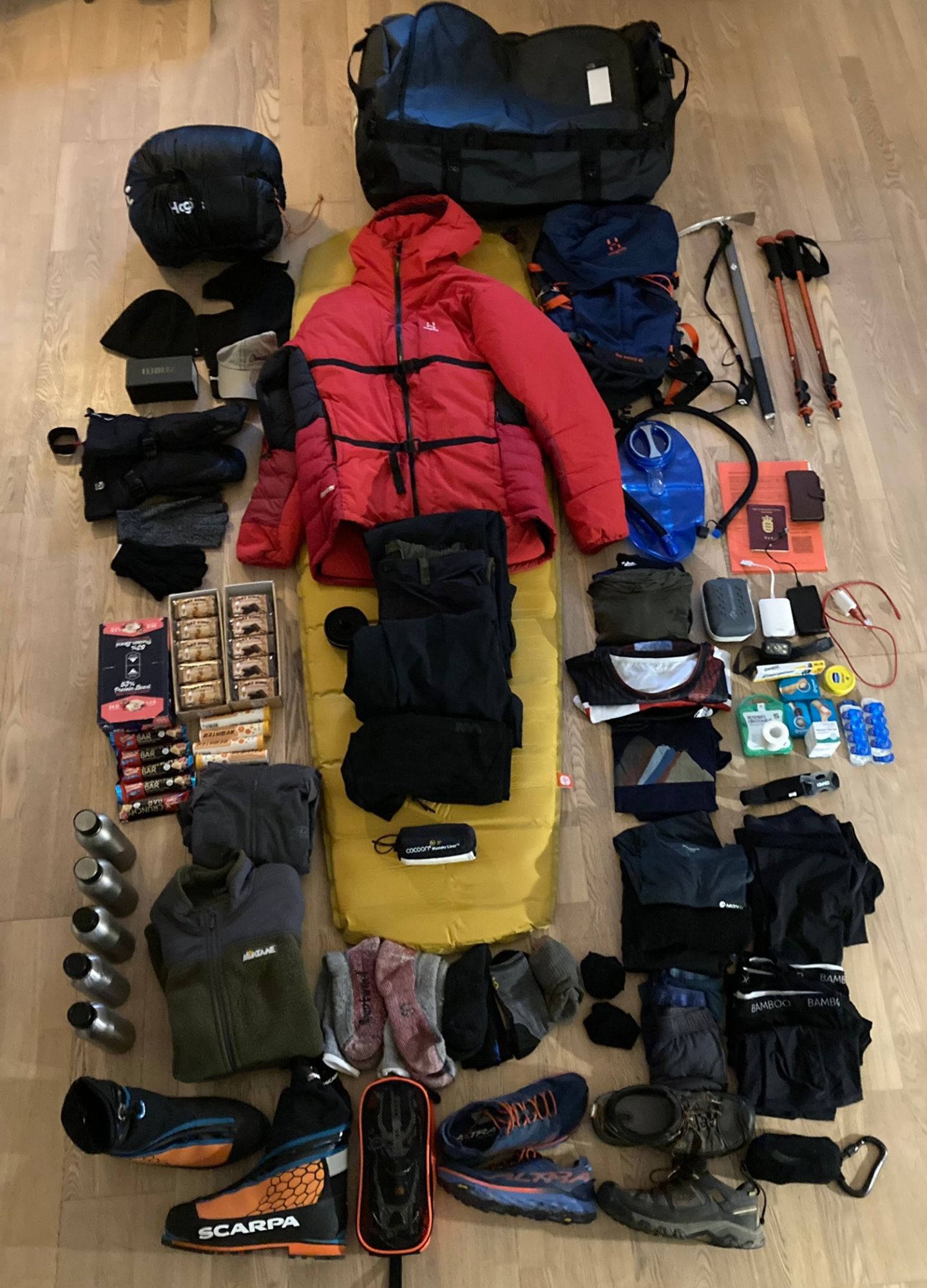
In 2022 I travelled to Nepal for a 24-day hiking trip that included a climb of Chulu Far East.
On summit day I wore proper mountaineering boots. But for all the hikes and climbs leading up to it, I relied on my Keen hiking shoes and a pair of Altra trail shoes, the Altra Mont Blanc. The Mont Blanc was fine on dry trails away from the snow, but neither pair gave me everything I needed, and I didn't have waterproof footwear. Looking back, a waterproof GTX shoe would have made a huge difference on those approach days – and I think an Olympus would have suited them better than the Mont Blanc. More importantly, my shoes were still too small for the descents. Even though I'd been told the fit was right when I bought them, my toes repeatedly pressed against the front of the shoes when walking downhill.
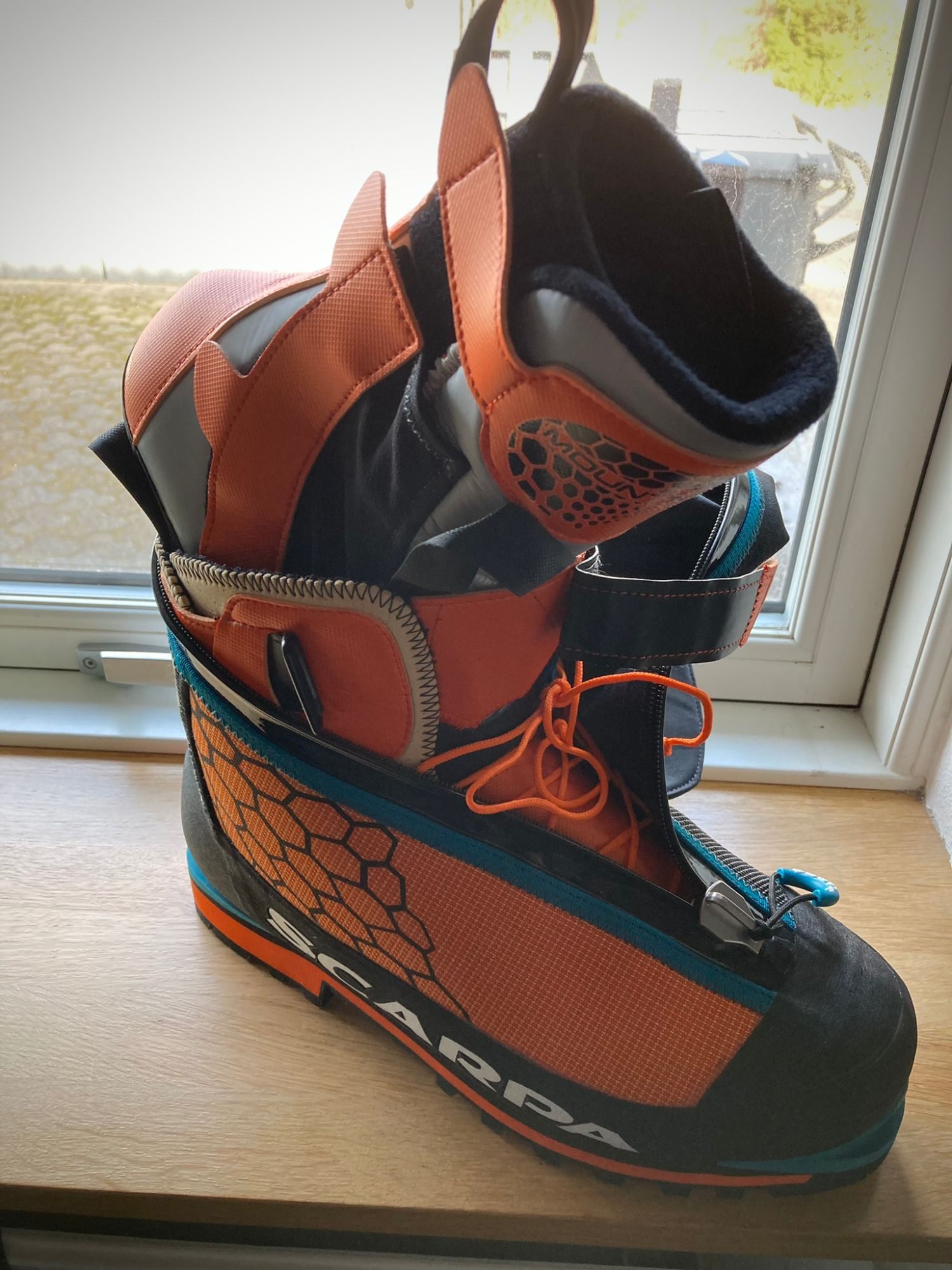
My guide gave me advice that changed how I approached footwear: I needed to allow considerably more room in my shoes, particularly for long descents. That made me reconsider not just the width of my shoes, but their overall length – and how my feet behave after hours of walking.
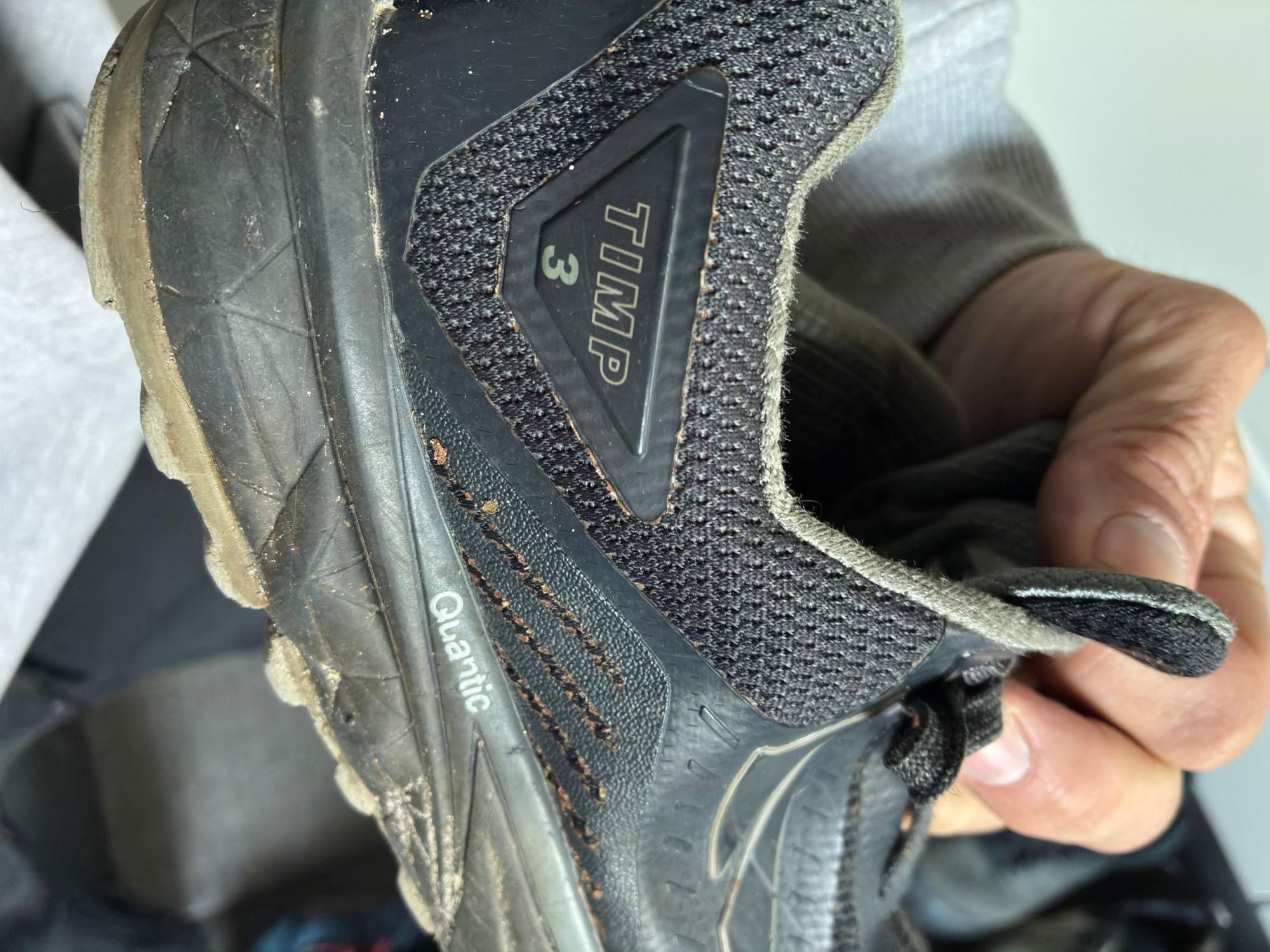
I had also used Altra shoes for everyday walking, including the Altra Timp 3 in EU 42.5. I found them comfortable and durable for general use, although I'd have liked more cushioning for longer hikes.
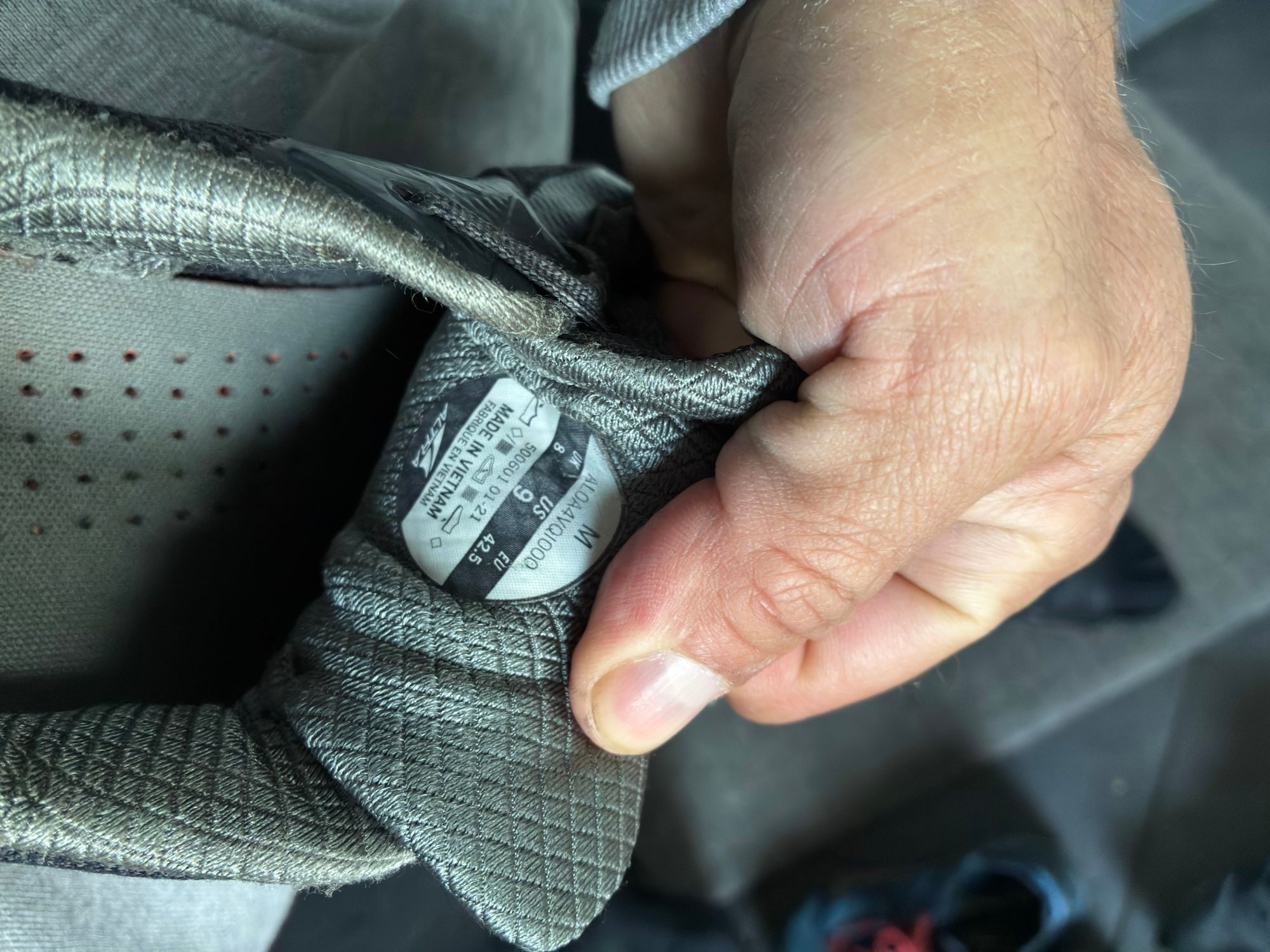
Finding a combination that worked for me
After Nepal I spent more time researching footwear and thinking about what had gone wrong. I decided to try the Altra Olympus 5 Hike Low GTX – this time in EU 44.5 rather than my usual EU 42.5.
At first the larger size felt surprisingly long. But on the trail, the extra room made a substantial difference for me. My toes had more space, I had more cushioning underfoot, and the waterproof GTX construction helped keep my feet dry on wet trails.
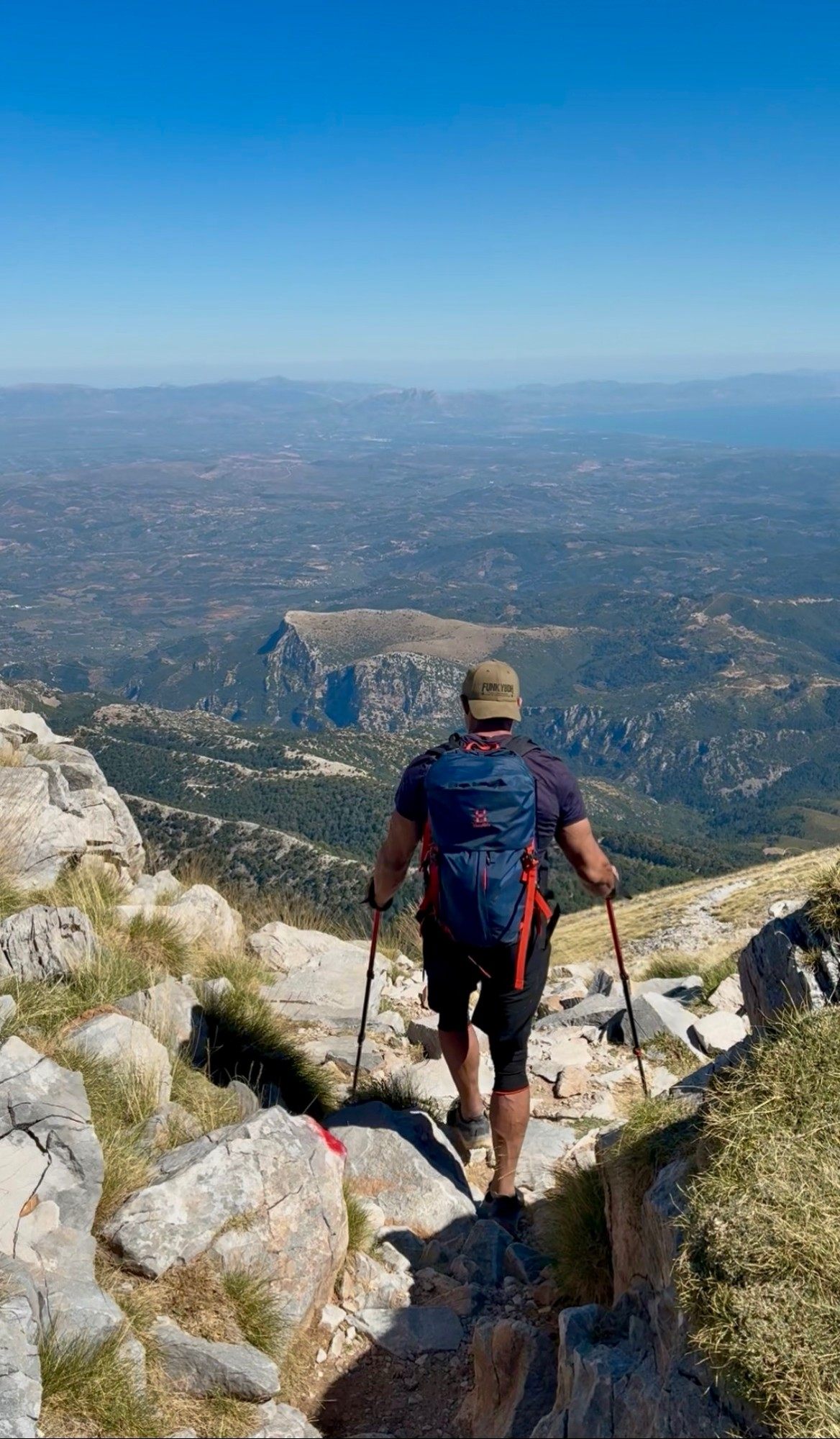
For my own hiking, these shoes became a game changer. I've since used Olympus 5 GTX models on a range of trips – including Ben Nevis, Gerlachovský štít, the Krimml Waterfalls and a cave under Budapest – without the wet-foot problems I'd had before.
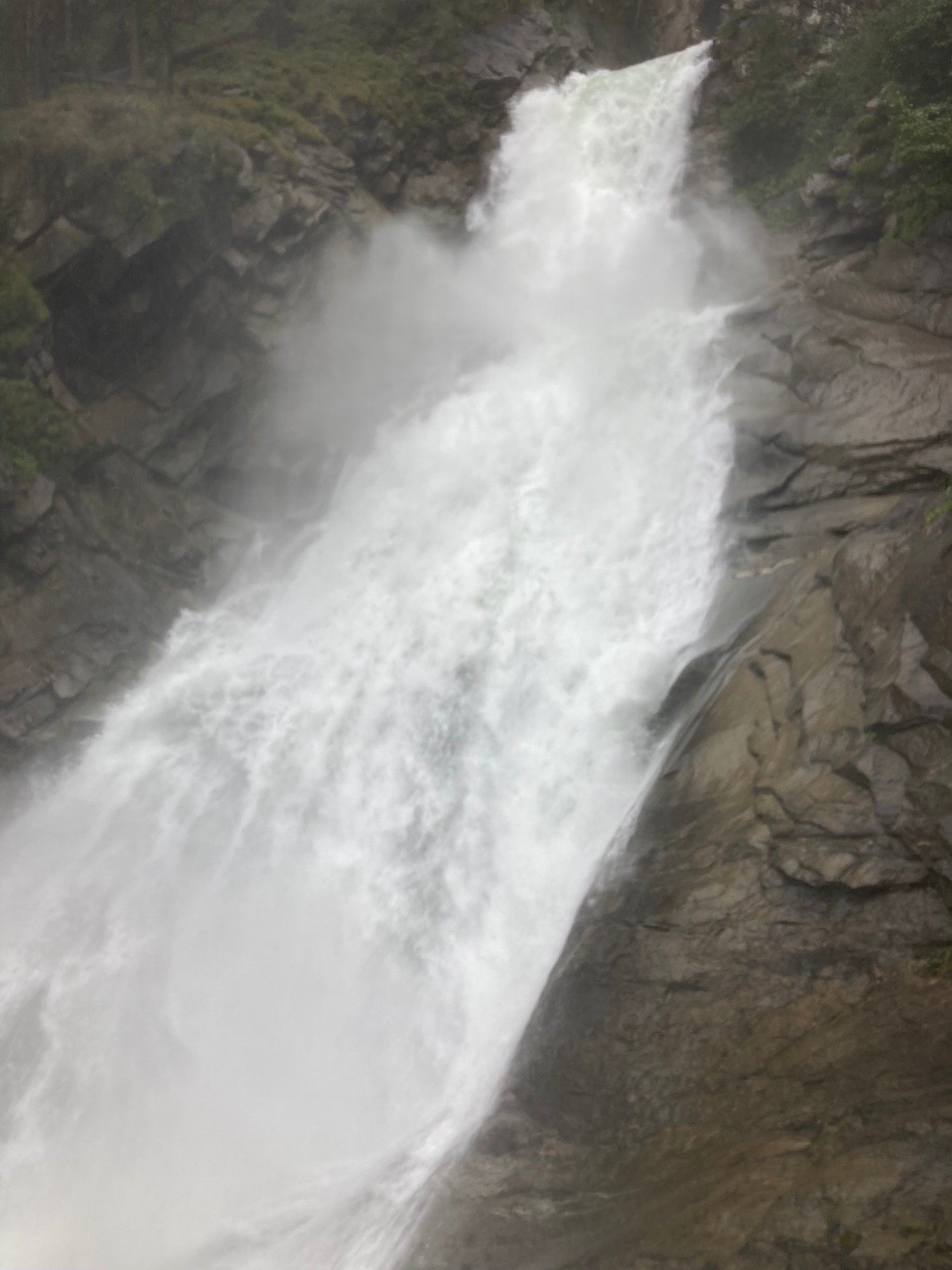
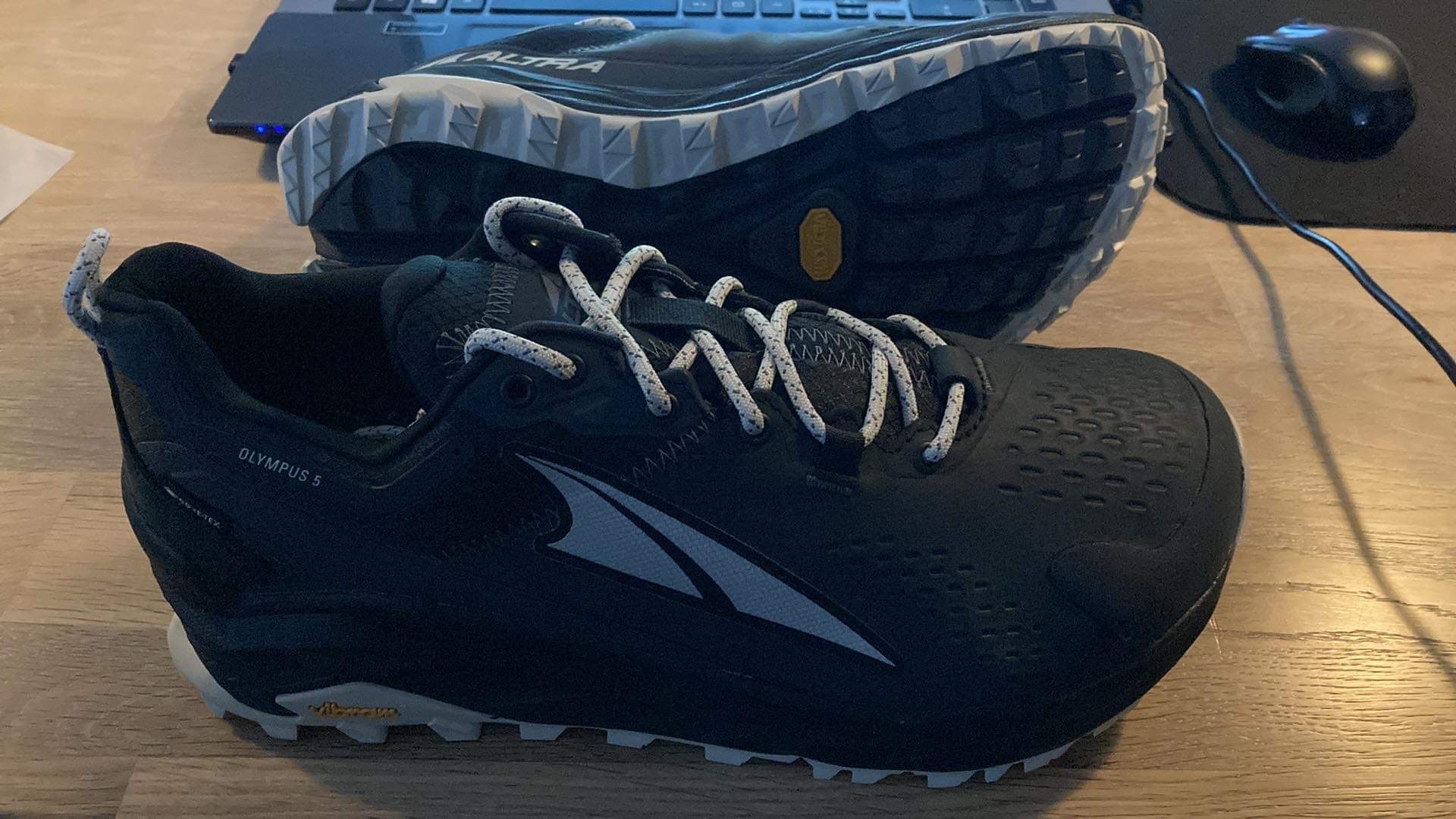
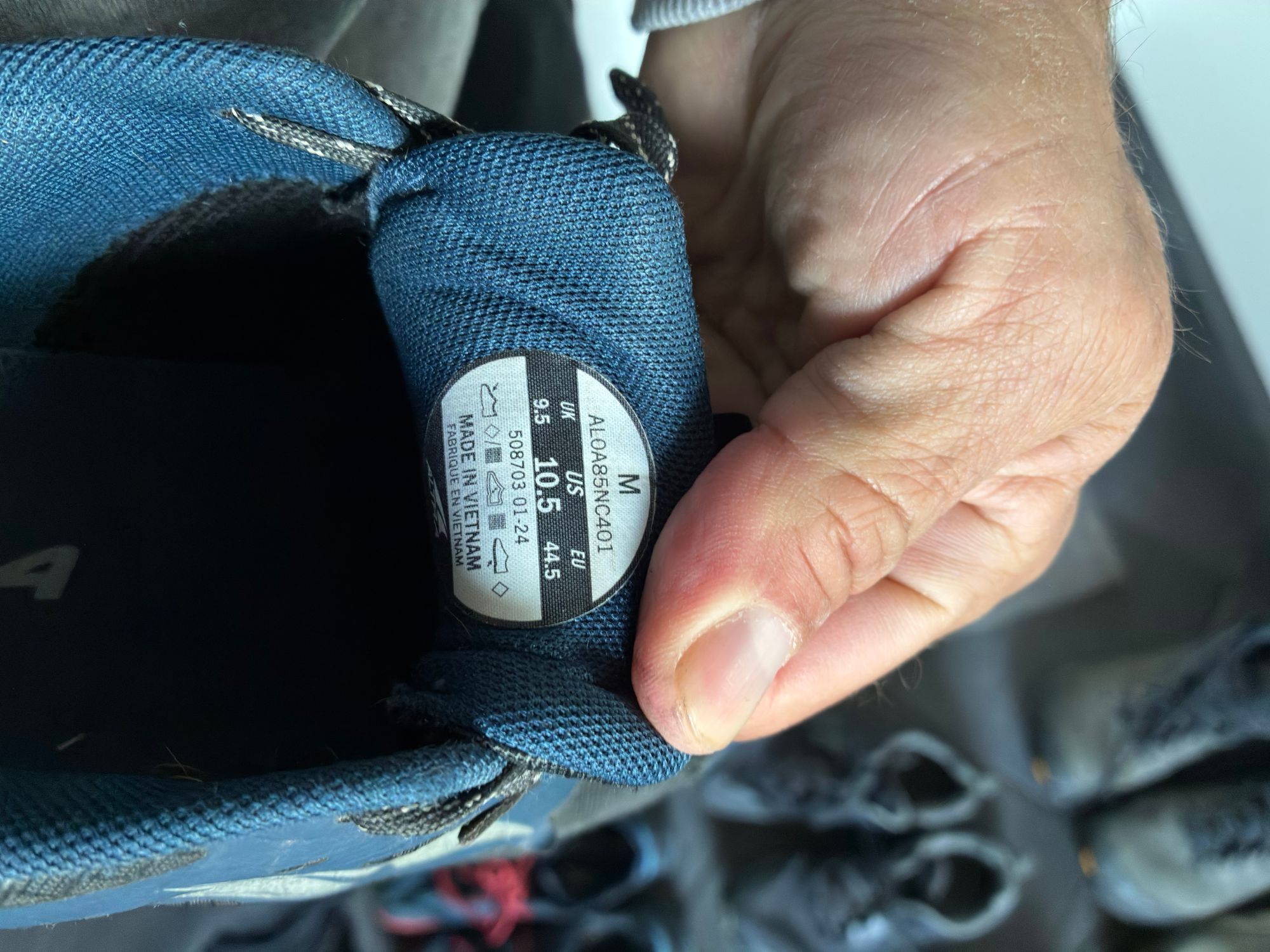
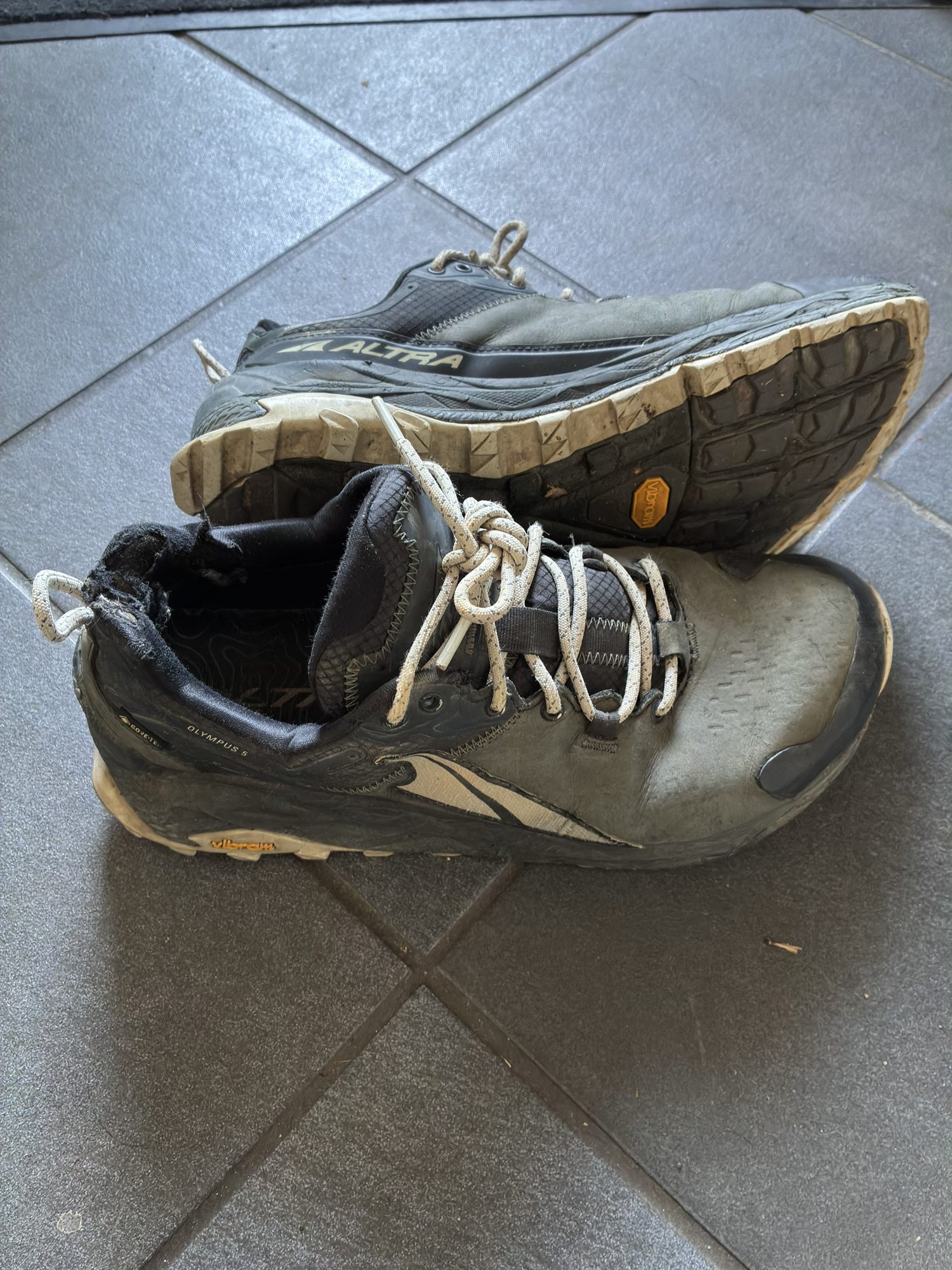
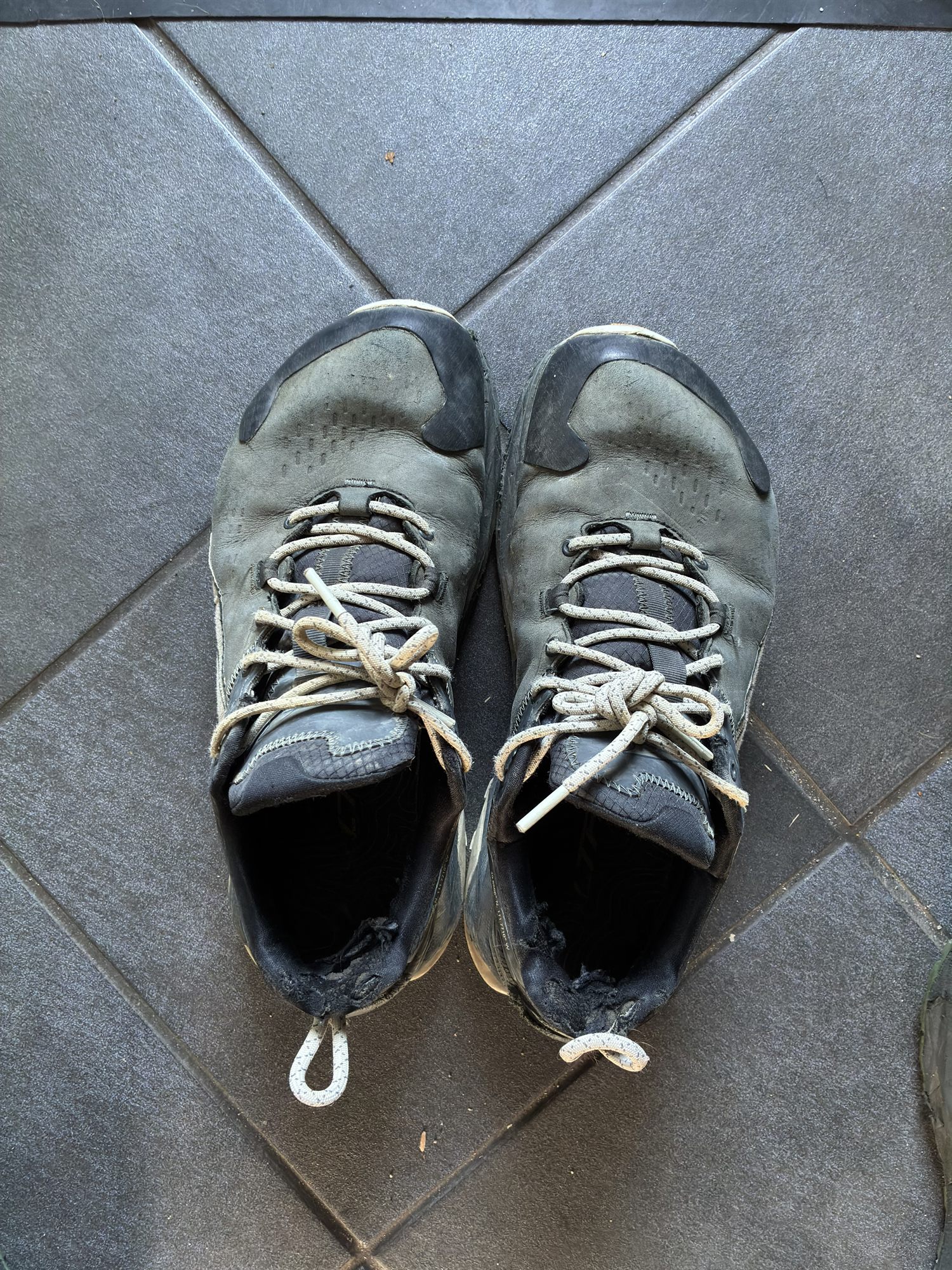
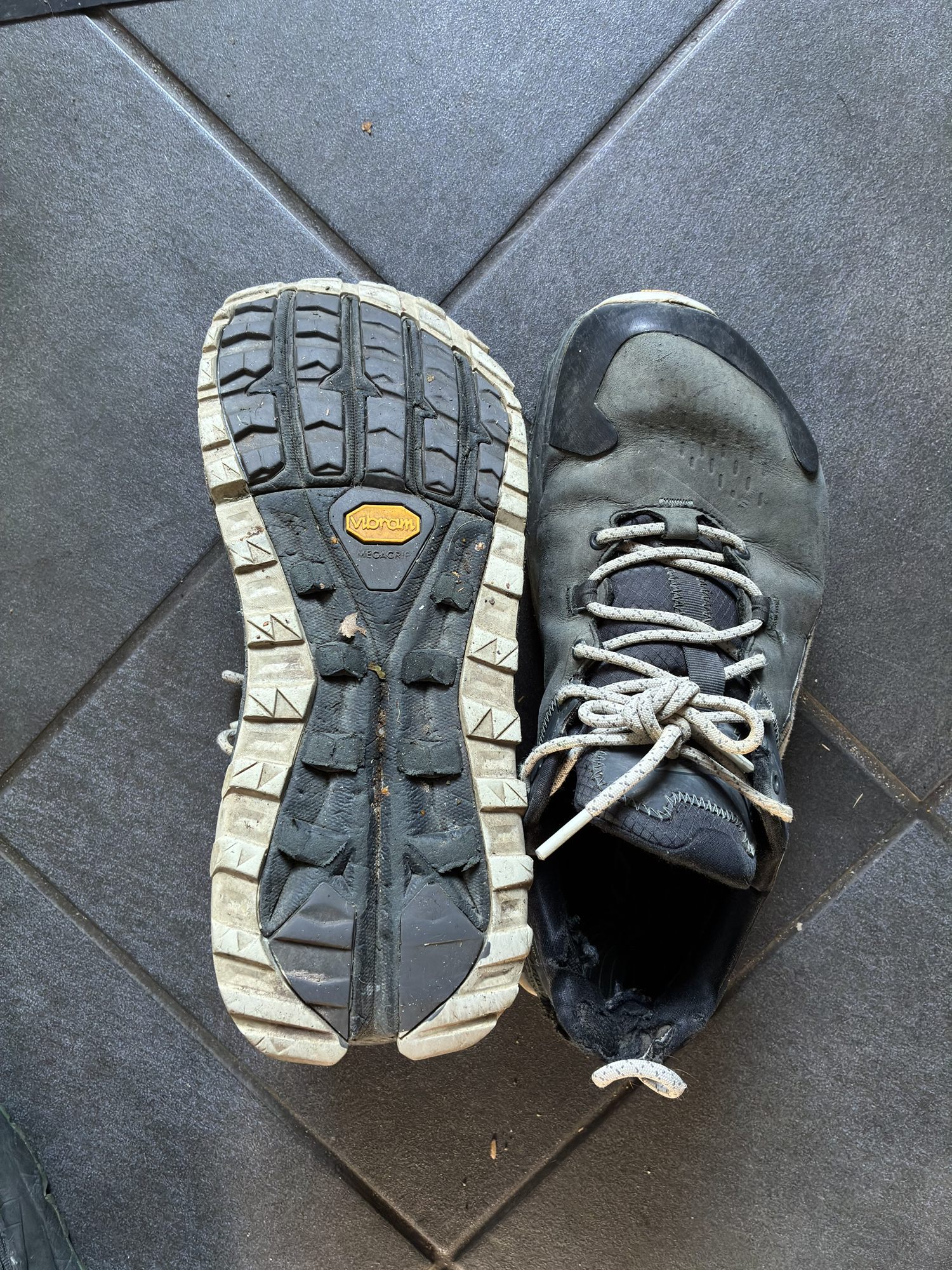
That doesn't mean a shoe two sizes larger is right for everyone. Fit depends on the shape of your feet, the shoe itself, the socks you wear and the conditions you hike in. The important lesson for me was to assess the fit with long descents in mind, not just how the shoes feel standing in a shop.
What about non-waterproof shoes?
A waterproof shoe can be excellent in wet conditions, but it can also feel warm in summer. So I tried the non-GTX version of the Altra Olympus 5 as an alternative.
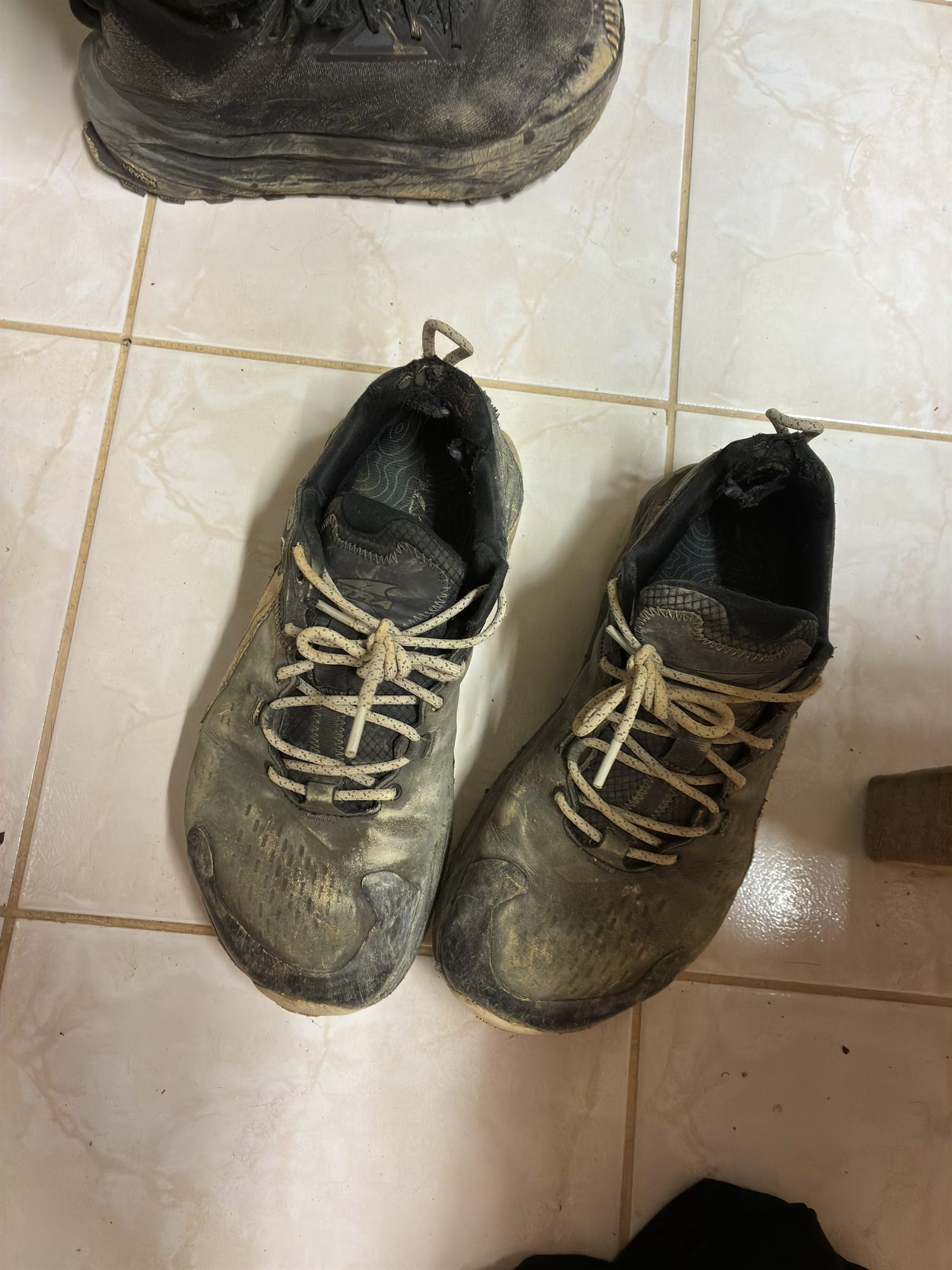
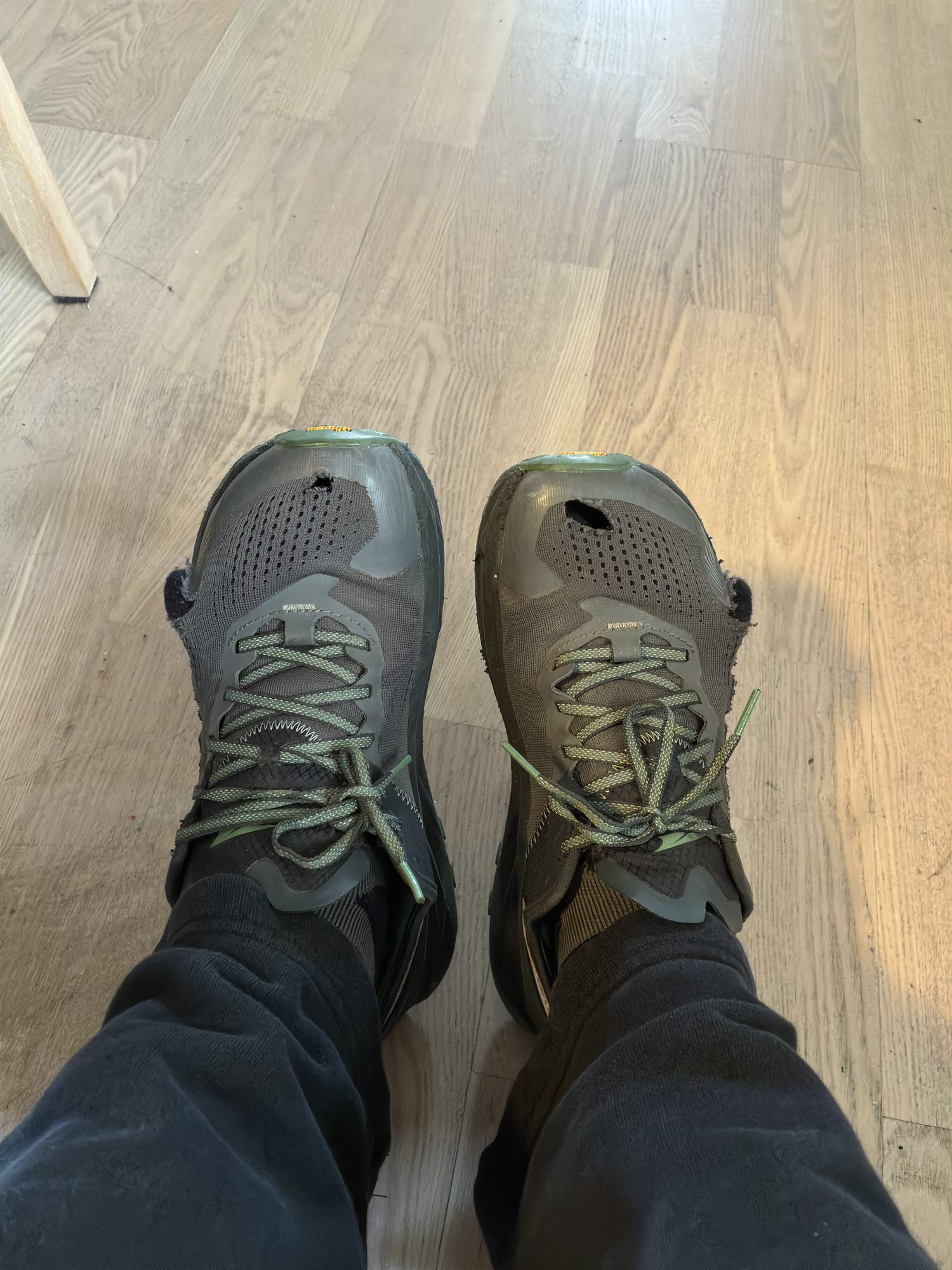
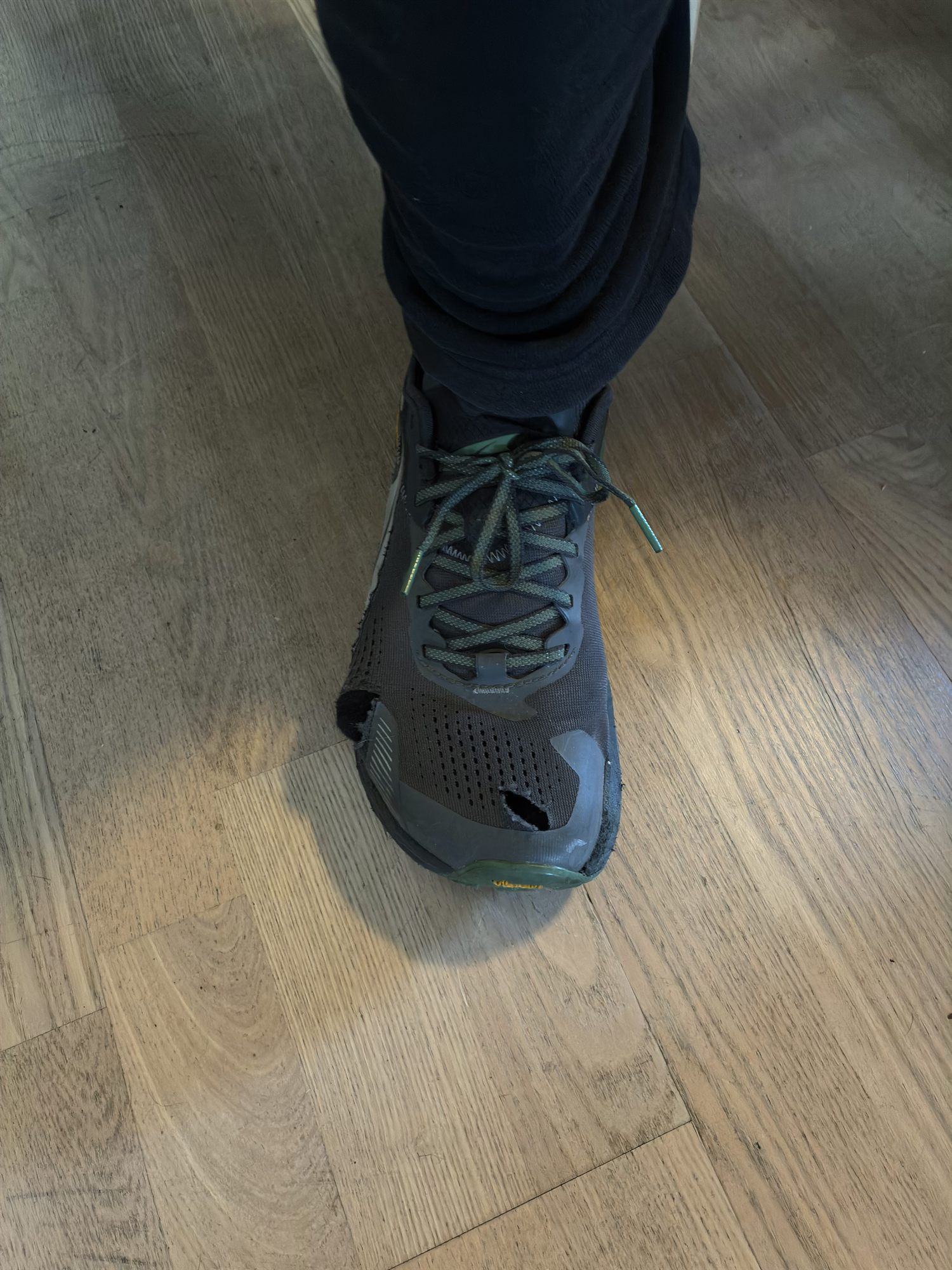
The cushioning and general feel worked well for me, but I had durability issues: the upper mesh eventually wore through around both my little toe and big toe. That was disappointing, because the shoe itself felt good to hike in. For my feet, though, comfort alone isn't enough if the upper can't take the wear.
Trying Topo as a summer hiking alternative
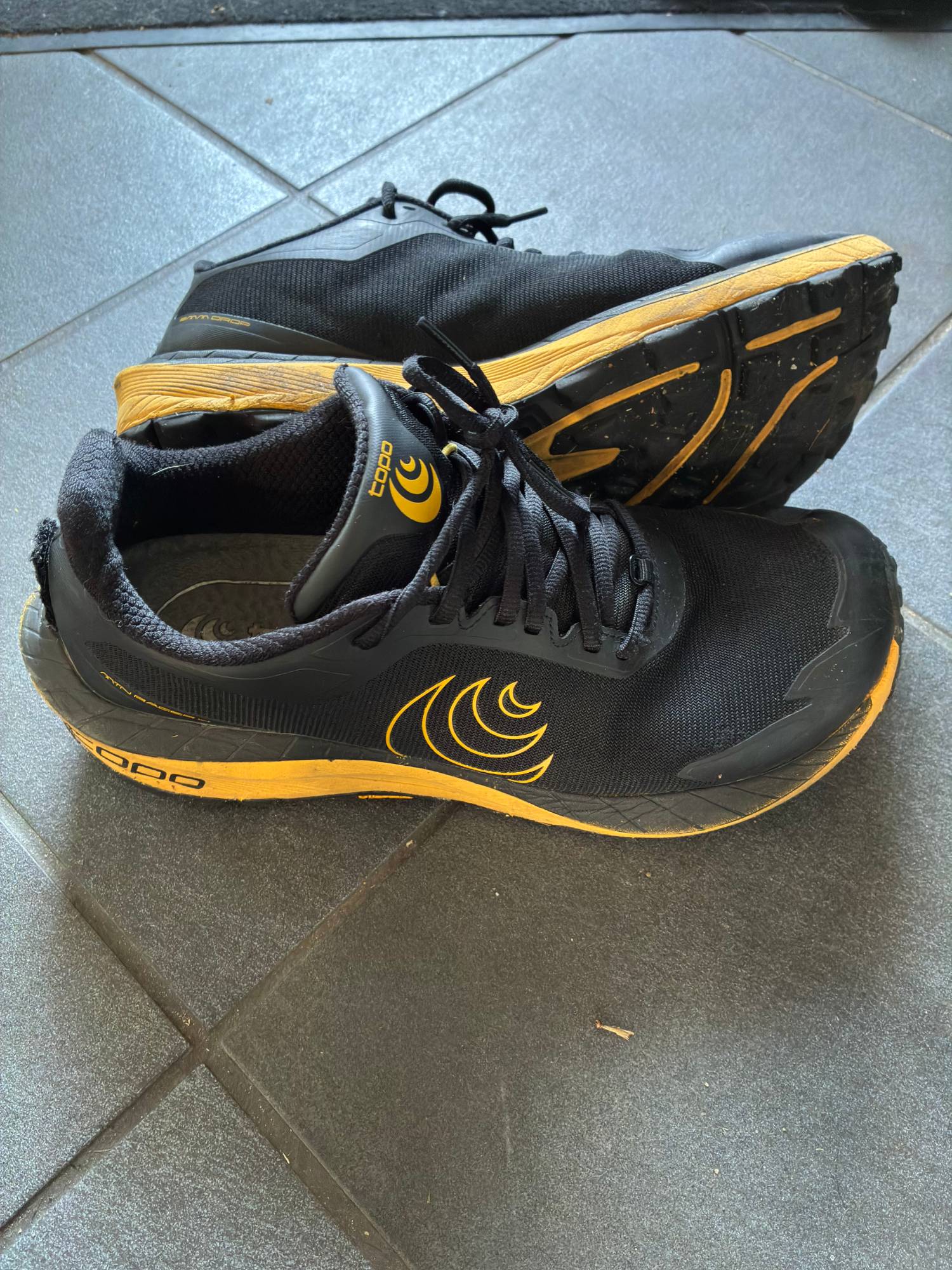
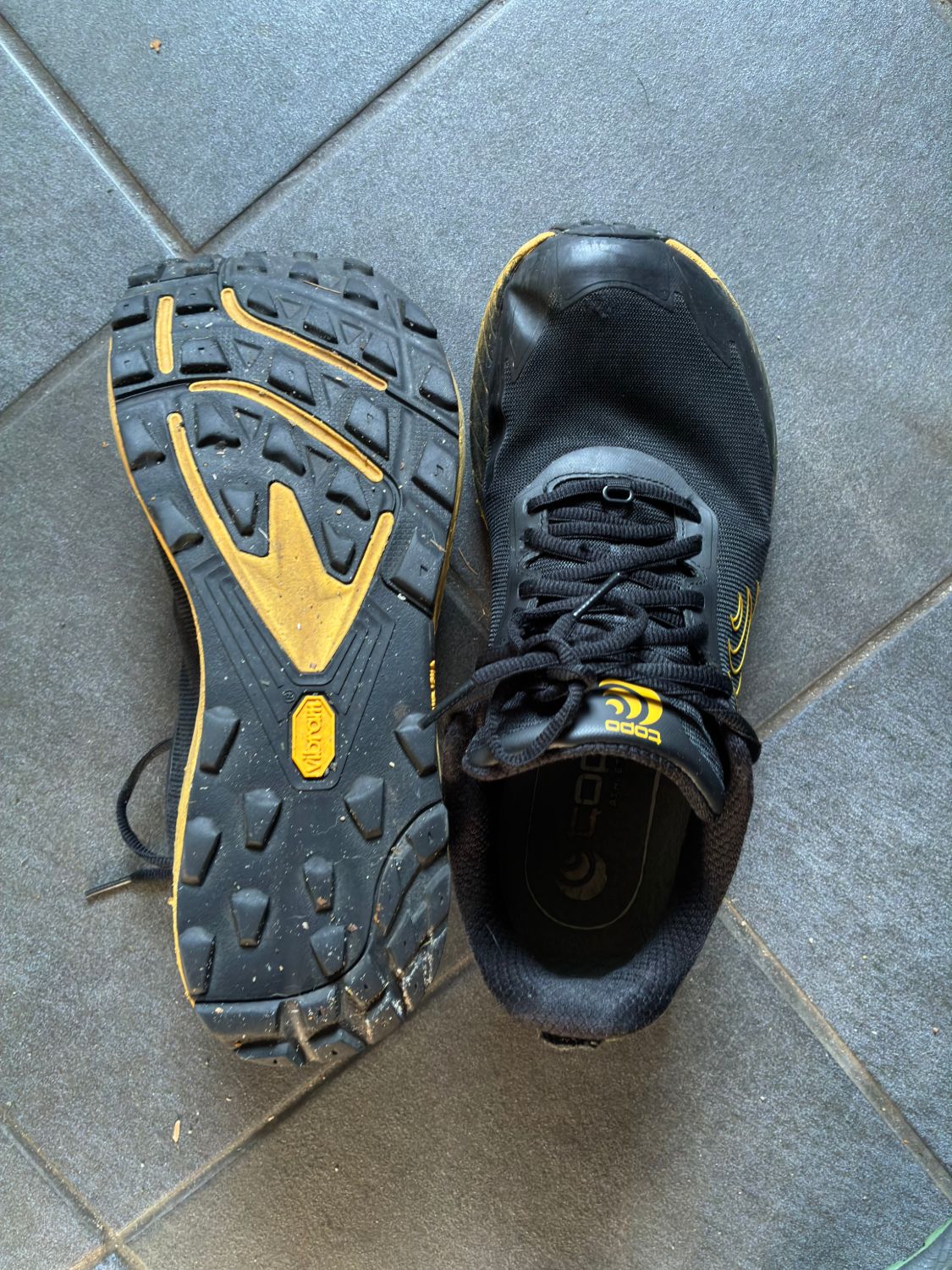
I eventually started looking at Topo Athletic, which offers a similarly roomy toe box to the Altras I'd come to prefer. I chose a Topo model with a Vibram outsole – the Topo Athletic MTN Racer 4 – and have been using it for about six months, including on our hikes in Greece and on Fanø. So far, the upper seems to be holding up better than the non-waterproof Olympus 5 did, although I need more time and mileage before I can judge long-term durability.
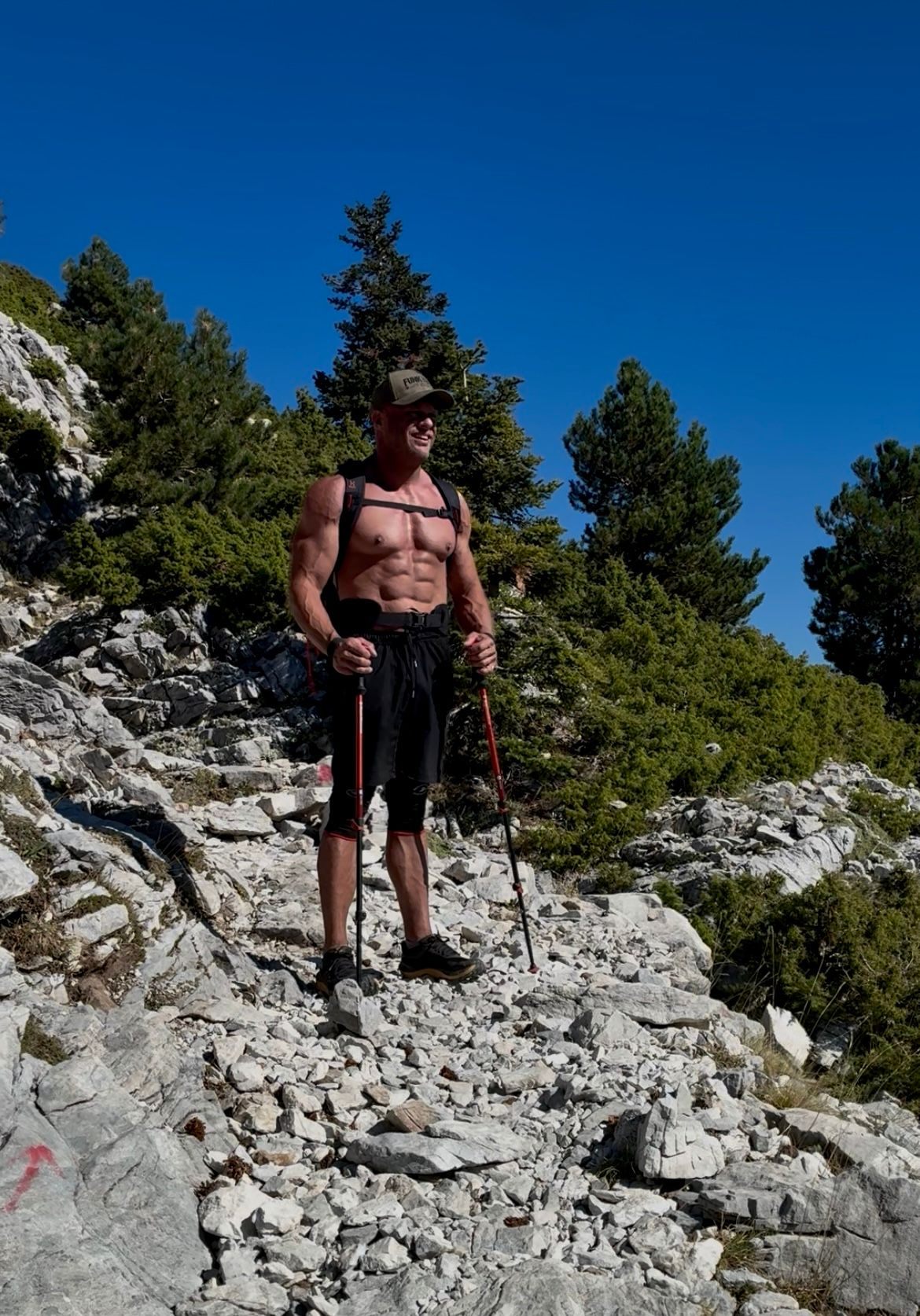
For warmer, drier hikes, Topo has become my preferred alternative. For wet trails and conditions where I want waterproof protection, I still use the Altra Olympus 5 GTX. This combination works well for me right now – but it's based on my own experience, not a controlled comparison.
Not every shoe needs to be a hiking shoe
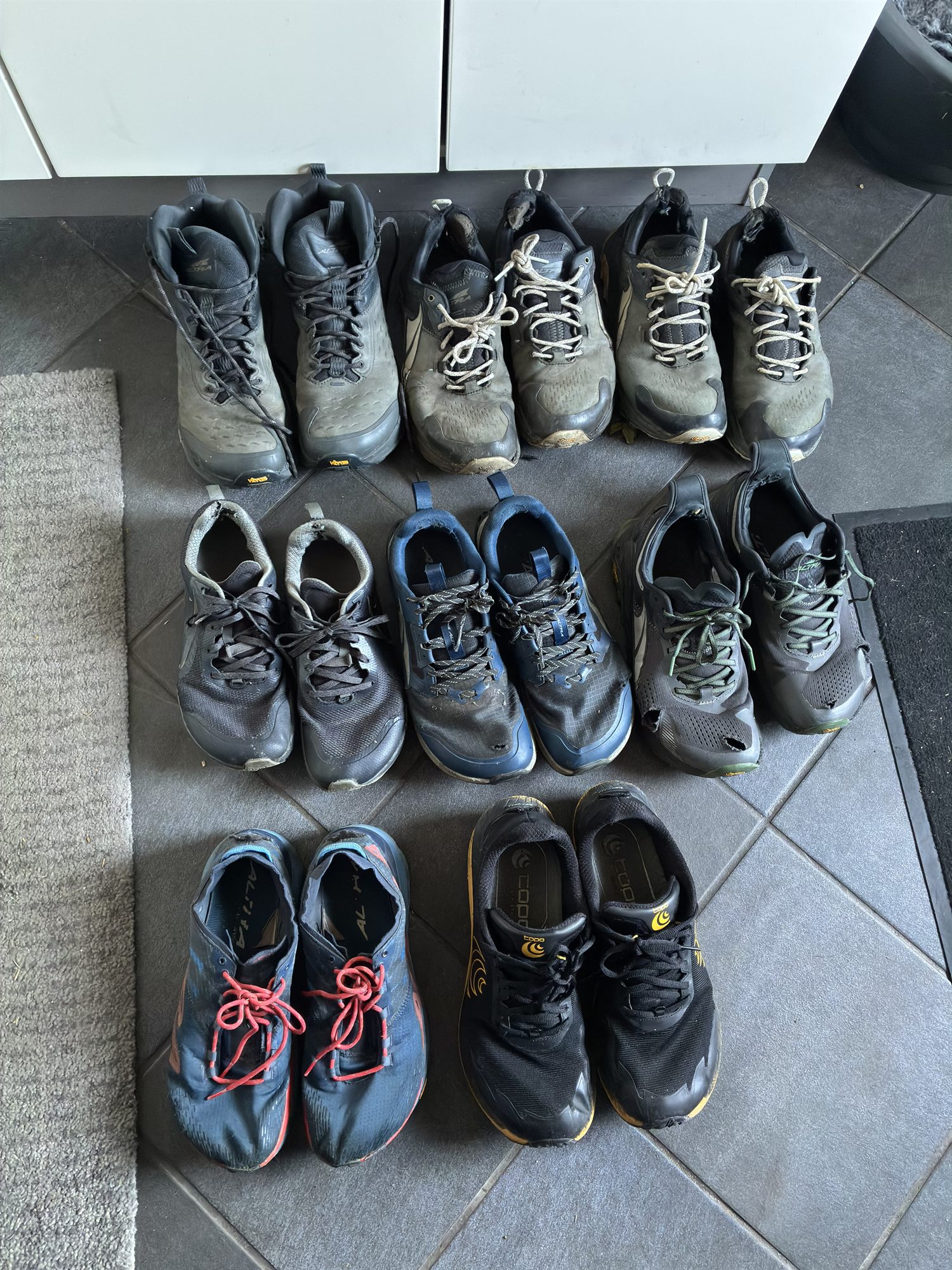
I use different footwear for different purposes:
- Altra Olympus 5 GTX: my preferred option for wet trails, mountain terrain and hikes where cushioning, grip and waterproofing matter to me.
- Topo Athletic MTN Racer 4: my current choice for warmer, drier hikes, based on my experience so far – and now also my everyday and work shoe.
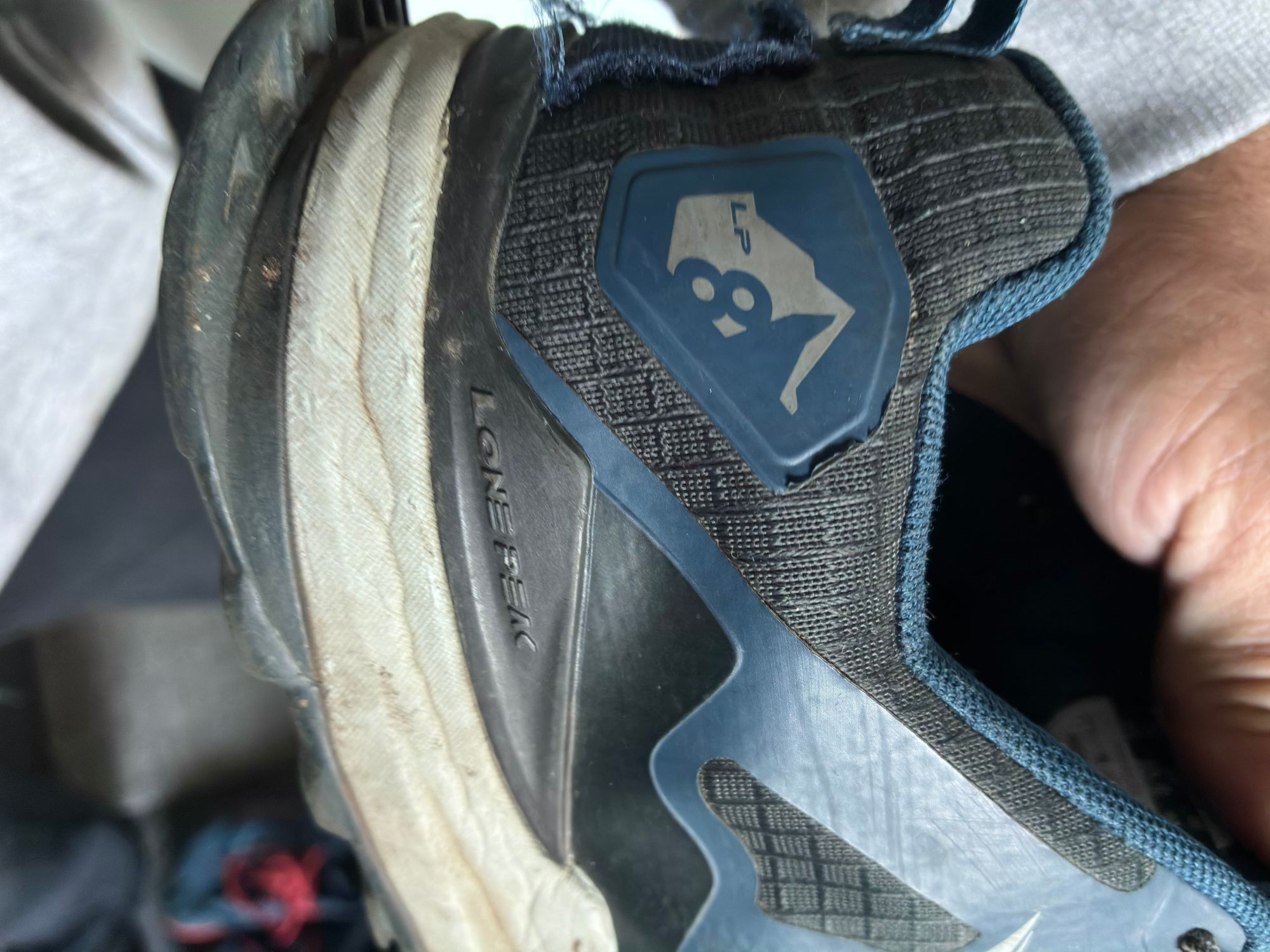
- Altra Lone Peak 8: comfortable for everyday walking and was my work shoe for a while, but the Topo has taken over that role. For longer mountain hikes I prefer the Olympus models because of the extra cushioning. (I wear these in EU 44.5 too.)
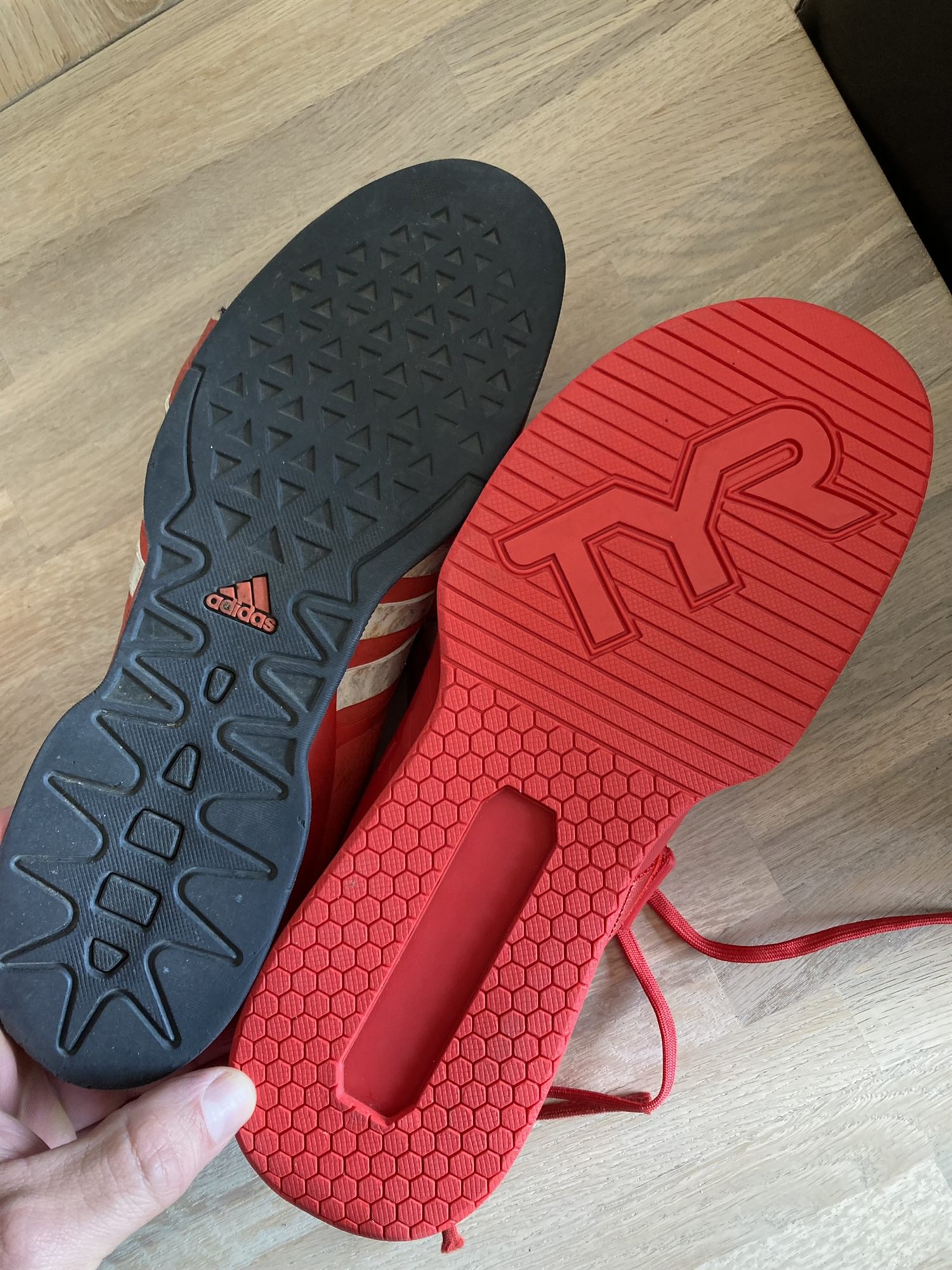
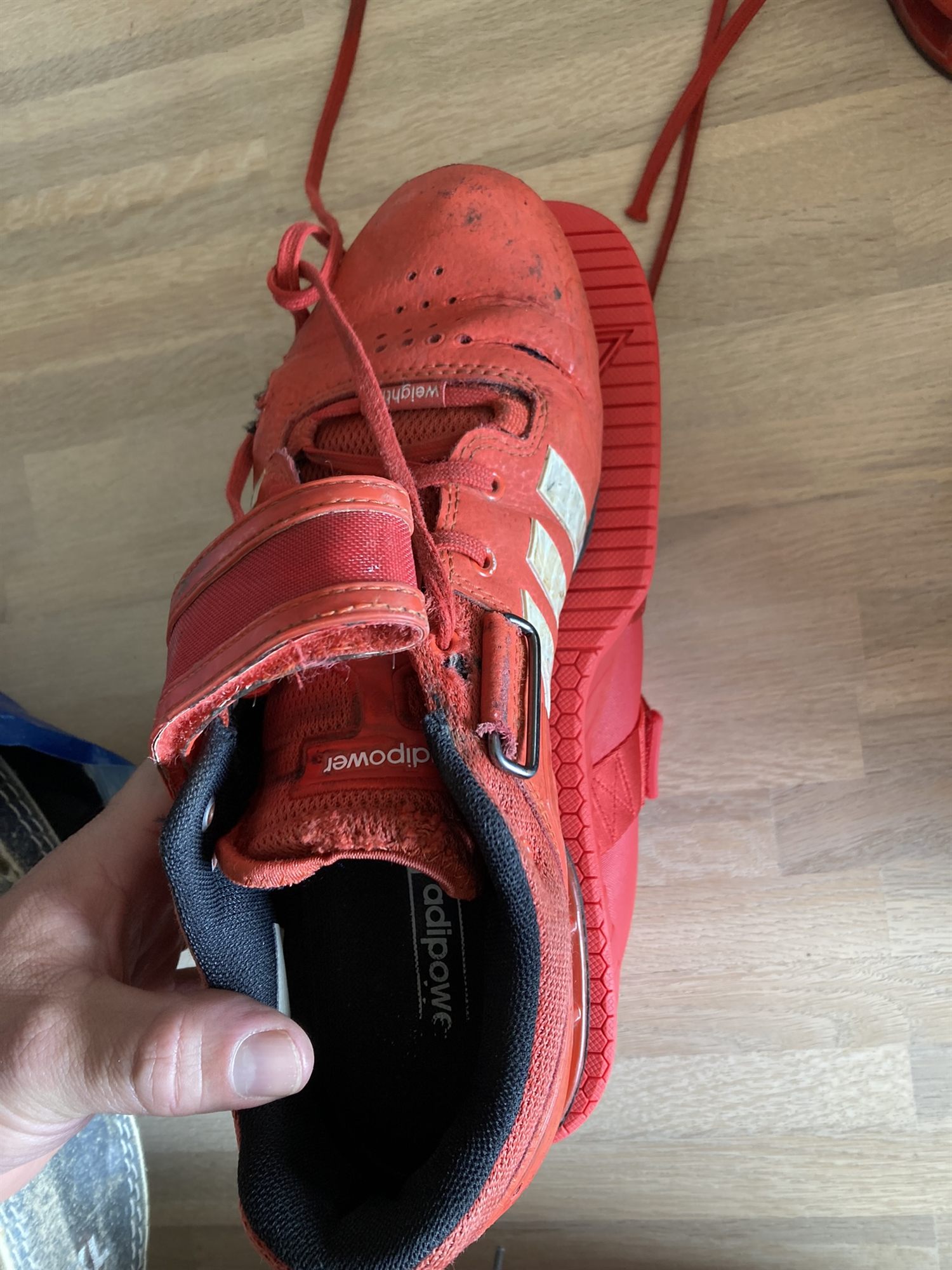
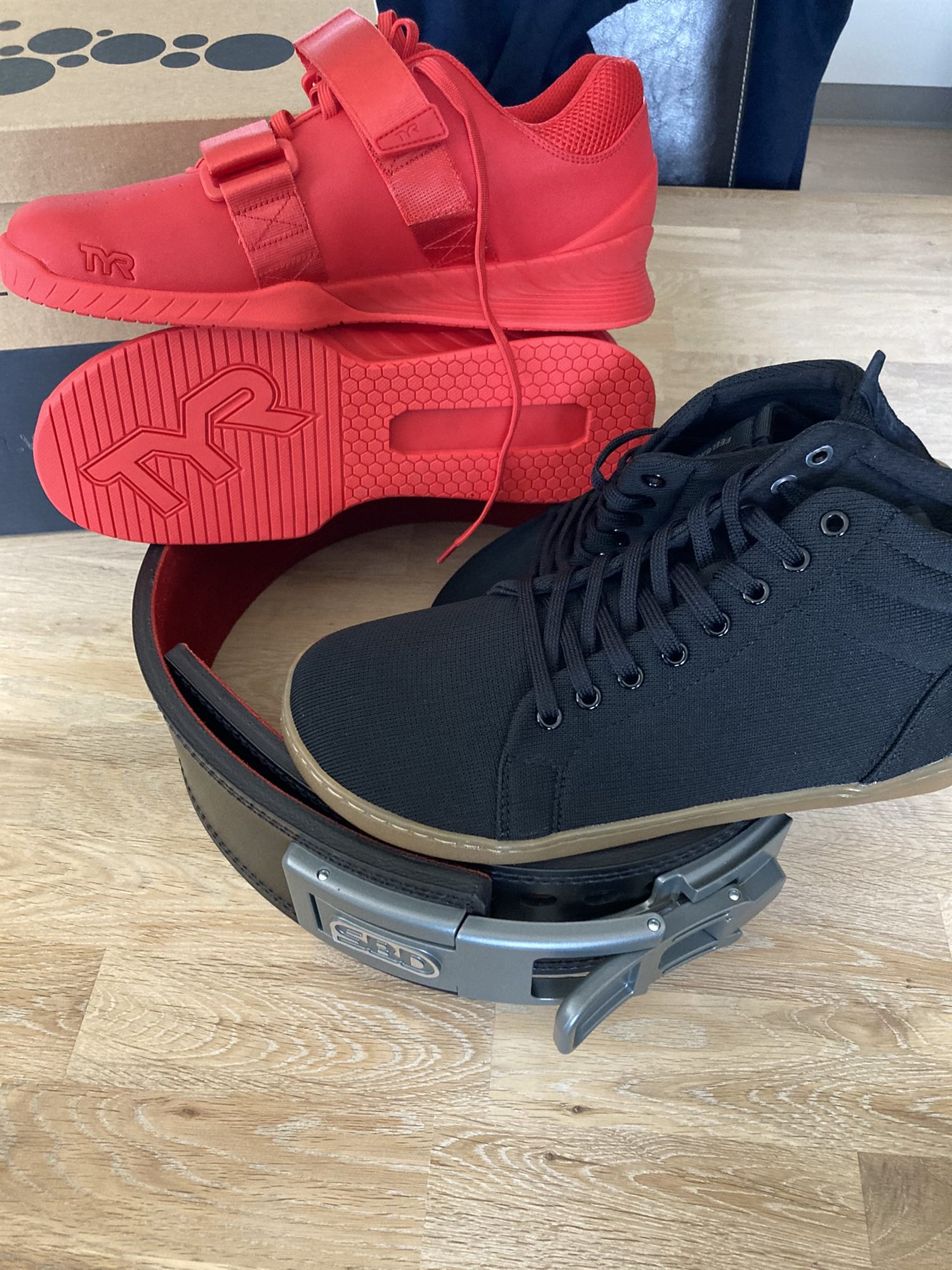
- Weightlifting shoes: I switched from Adidas to TYR because the TYR model gives my toes more room. That change has made a noticeable difference to my training too.
- Barefoot-style training shoes: a separate pair for other types of training.
- Altra Mont Blanc: the pair I took to Nepal. I hardly use them now – they don't really fit into my rotation.
The lesson for me is that one shoe doesn't have to do everything. I choose footwear according to the activity and the conditions.
The one general issue with Altra: durability
If I had to name one general drawback with the Altras I've owned, it's durability. It isn't overwhelming. The non-GTX Olympus 5 wearing through at the toes is the clearest example, but across my pairs the uppers and heel areas have shown wear sooner than I'd like. For me the fit and the room for my toes still outweigh that – but it's worth knowing, and it's part of why I'm keeping an eye on how the Topo holds up.
Wide toe boxes, zero drop and fit
Altra shoes are known for their zero-drop platform, while many Topo models have a small heel-to-toe drop. I get on well with both, but I can't say the difference in drop is why my feet feel better.
What I have noticed is how much room for my toes matters, especially walking downhill. I also appreciate cushioning and reliable grip on rocky or uneven terrain. A wide toe box, a suitable overall fit and the right outsole have made more practical difference to my hiking than following any particular footwear philosophy.
What I would do differently now
If I could give my past self a few pieces of advice, they would be:
- Don't assume a shoe fits just because it feels comfortable in a shop.
- Think about what happens to your feet on long descents, when your toes slide forward.
- Look for a toe box that matches the actual shape of your feet.
- Choose footwear for the terrain, weather and length of your hike.
- Consider cushioning, grip and durability as well as width – a perfect fit doesn't help much if the upper wears through.
- Test your shoes properly before relying on them for a major trip.
The right fit is personal. A shoe that works brilliantly for someone else may not work for me, and the most expensive or most recommended model isn't automatically the best choice.
Where to find them
If you want to look at the shoes I've mentioned, Outnorth sells both brands. The Olympus 5 Hike Low GTX has been replaced by newer versions, so the Altra link goes to the current range. We earn a small commission if you buy through these links – it doesn't change what we use or recommend.
- Altra range at Outnorth (affiliate link)
- Topo Athletic MTN Racer 4 at Outnorth (affiliate link)
Final thoughts
I spent years struggling with footwear, including blisters and lost toenails on long hikes. The biggest change for me was moving to roomier shoes and paying much more attention to the space for my toes.
At the moment, the Altra Olympus 5 GTX and my Topo Athletic shoes cover most of my hiking: the former for wetter conditions, the latter for warmer, drier trails. I'm still learning, and I'll keep reassessing as I put more miles on them. But after my experiences in Denmark, Nepal and the hikes since, I've found a combination that works much better for my feet.
If you struggle with wide feet, I hope this gives you a useful starting point. Just remember that fit is individual – test your footwear carefully before taking it on a demanding trip.