Mauritania is a huge country – more than a million square kilometres, most of it Sahara – with only around five million people. Very few travellers go there. I went in November 2026, on my own, with a local guide, for eight days: from Nouakchott into the desert, up Ben Amera, across the Sahara on the Iron Ore Train to Nouadhibou on the coast, and back down to the capital.
This is the whole trip, day by day. The biggest experiences have their own articles – a day in Nouakchott, climbing Ben Amera and riding the Iron Ore Train – so here you'll find the story that ties them together, the long drives in between, and what it's actually like to travel in Mauritania.
The short version
4–11 November 2026, Leif solo with local guide Sidi Mohamed. Aalborg → Copenhagen → Istanbul → Nouakchott. A day in the capital, a day's drive into the Sahara via Akjoujt and the Terjit oasis, a night camping below Ben Amera, the climb the next morning, a night on the Iron Ore Train to Nouadhibou, a disappointing city tour there, six hours by road back to Nouakchott and home via a free Turkish Airlines hotel night in Istanbul. Best: Ben Amera, the train and the evenings with tea. Worst: the litter, and Nouadhibou.
4 November – Packing light
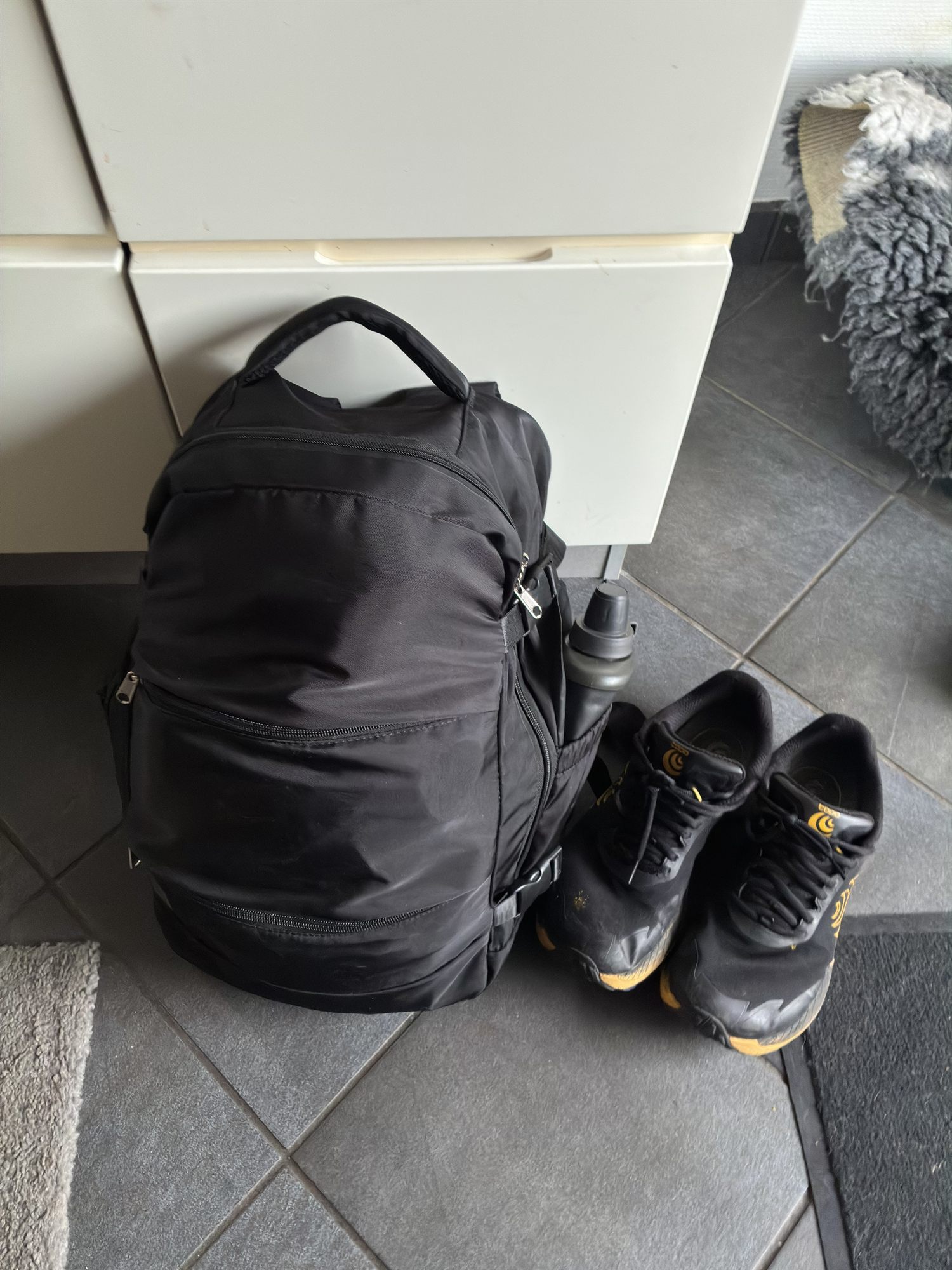
I travelled with one underseat bag – nothing else. It keeps things simple at airports, on the back of a 4x4 and on top of an ore wagon. Most of what I wore was merino wool, because you can wear it several times without it starting to smell the way normal clothes do. Besides what I had on, I packed two T-shirts, one pair of trousers, two pairs of merino socks, two pairs of merino underwear, a warm knitted jumper and a sun hoodie.
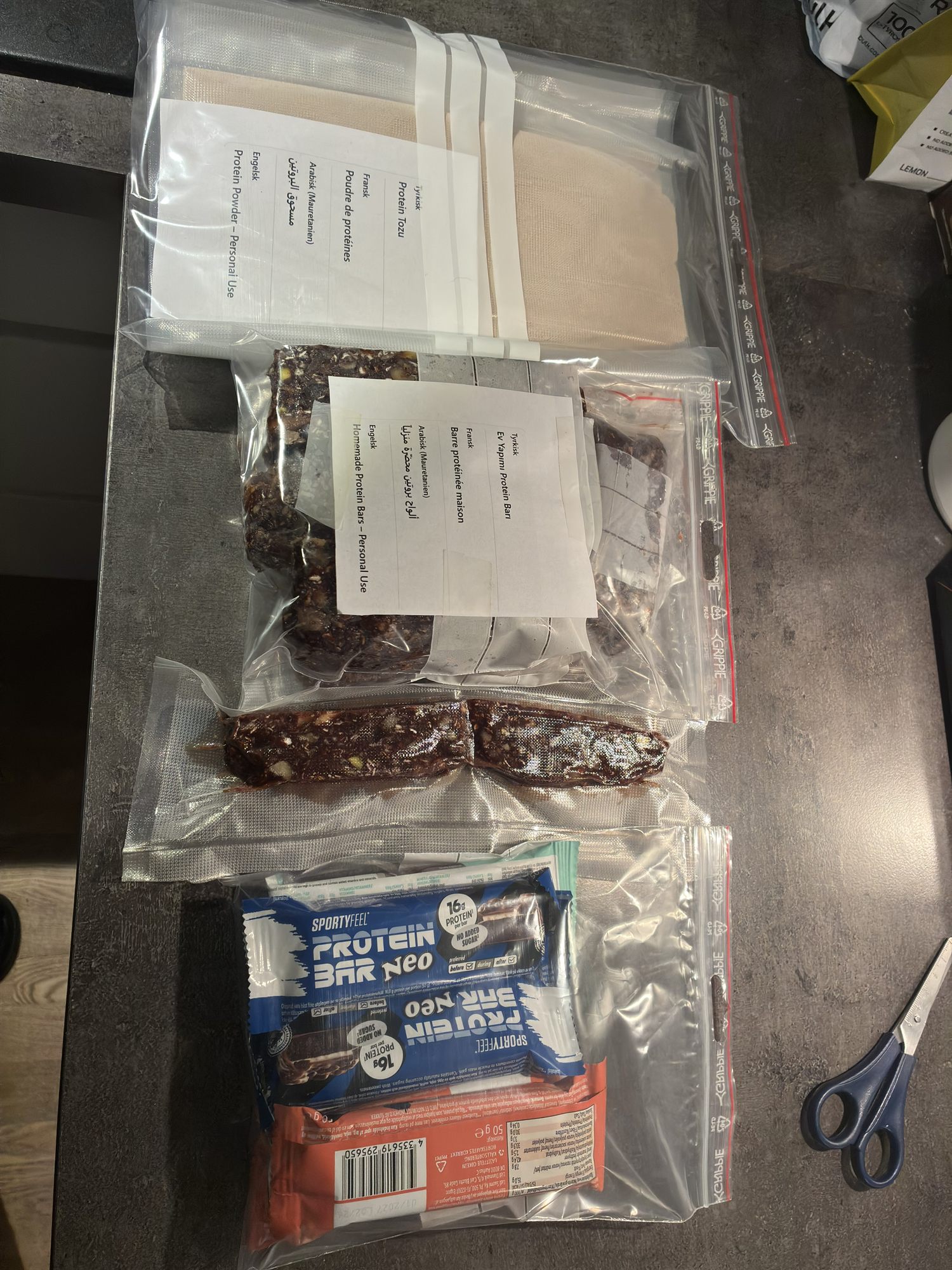
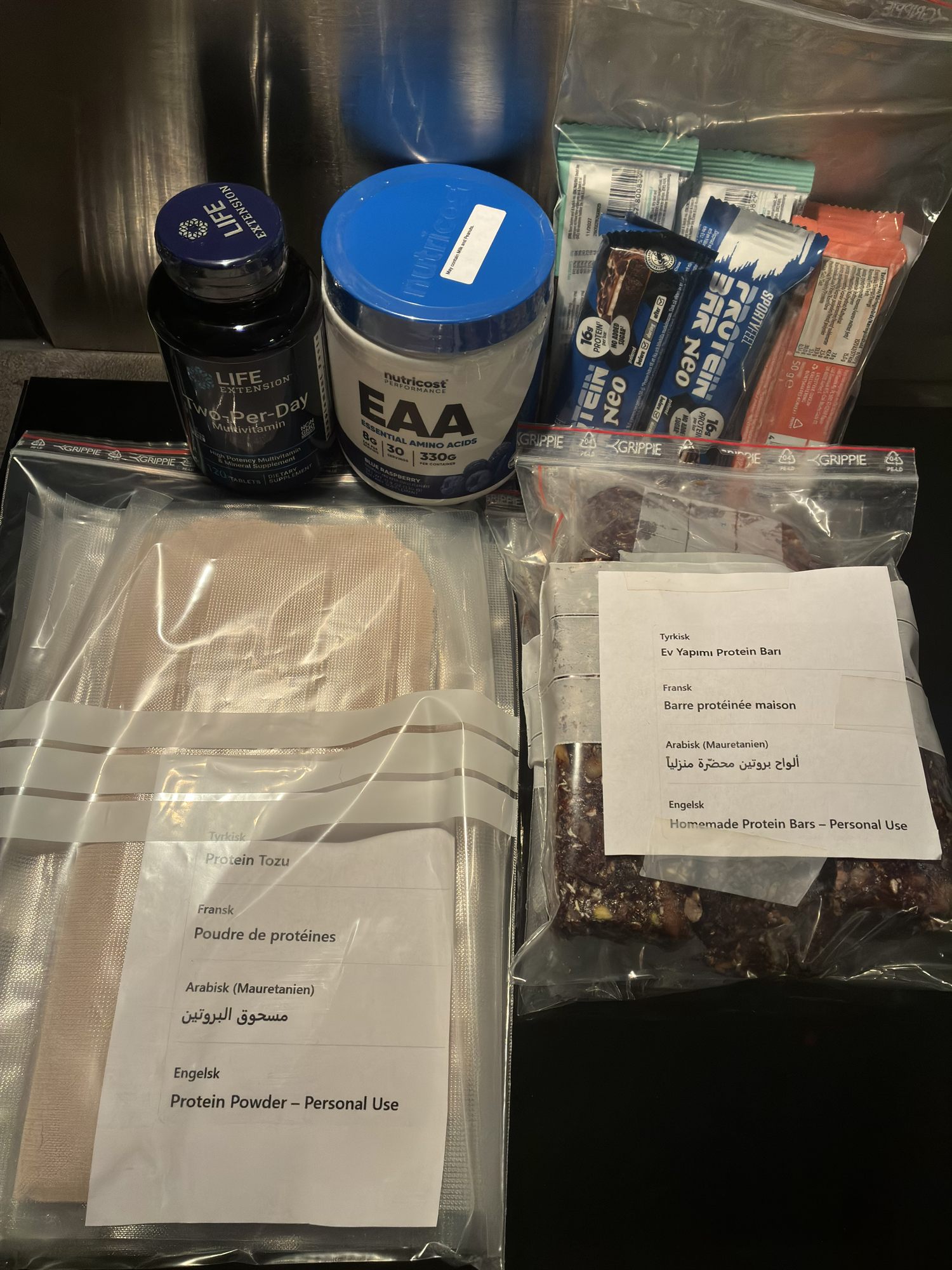
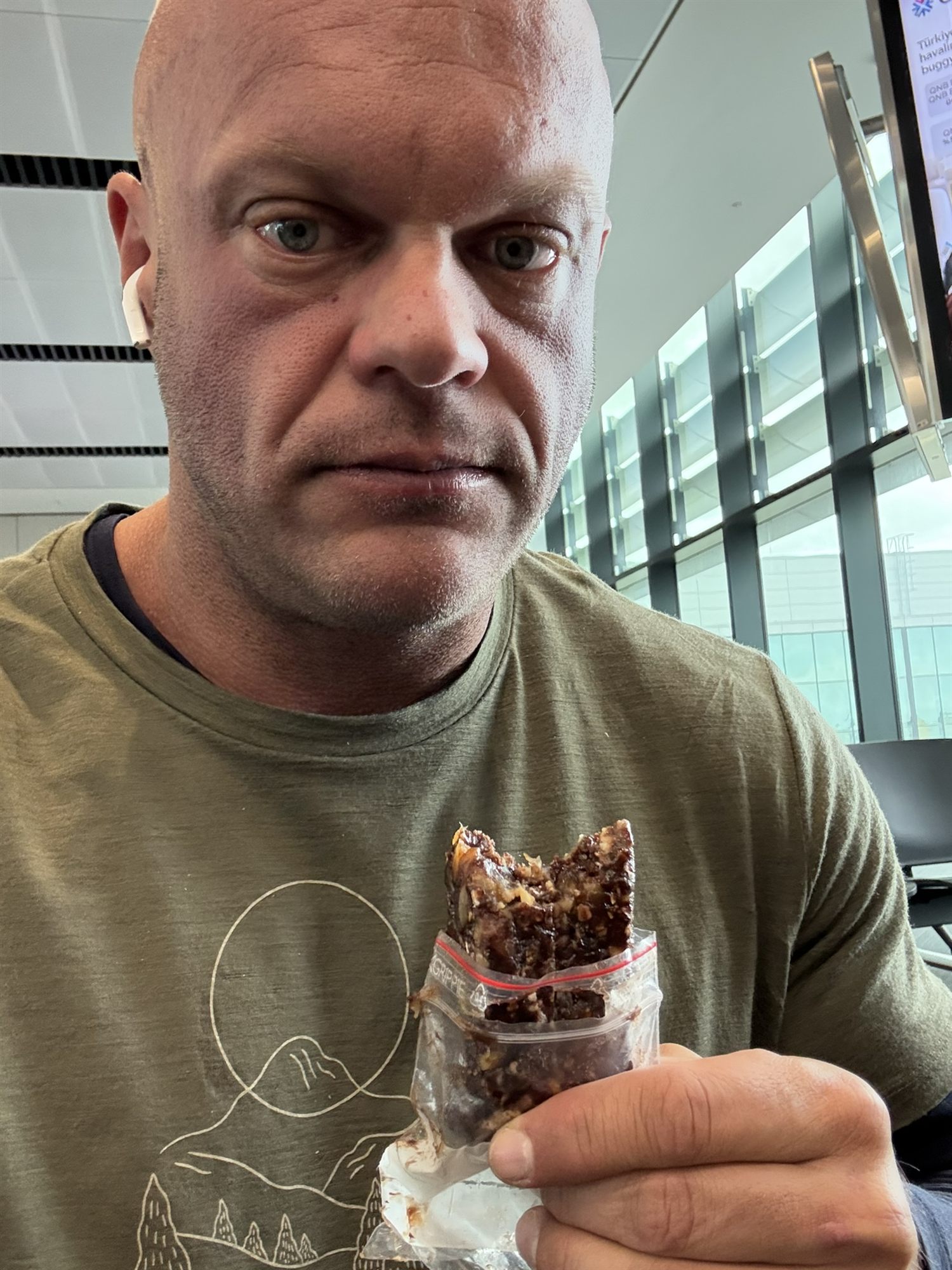
The rest was food. I train a lot and wanted to cover my protein needs, so I packed vacuum-sealed homemade protein bars, one bought bar, vacuum-packed protein powder, EAA and vitamins. On a trip like this, you can't count on finding what you're used to.
Packing my own protein is part of how I eat everywhere, not just at home. The system behind it is in my e-book.The Boring Diet – e-book in English and Danish →
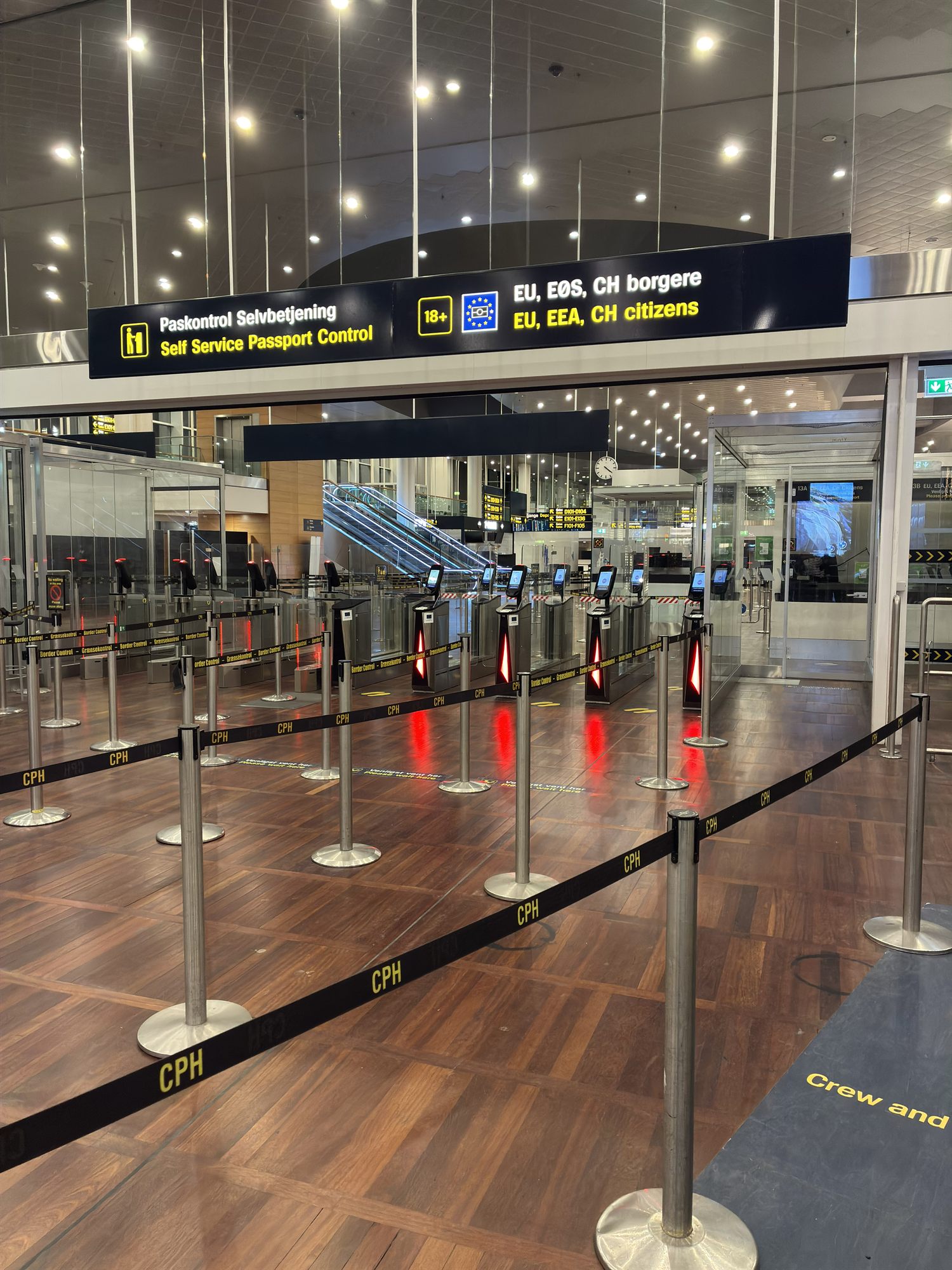
I flew from Aalborg to Copenhagen and walked to an Airbnb about 2.5–3 km from the airport, because my flight the next morning was very early.
5 November – Via Istanbul to Nouakchott
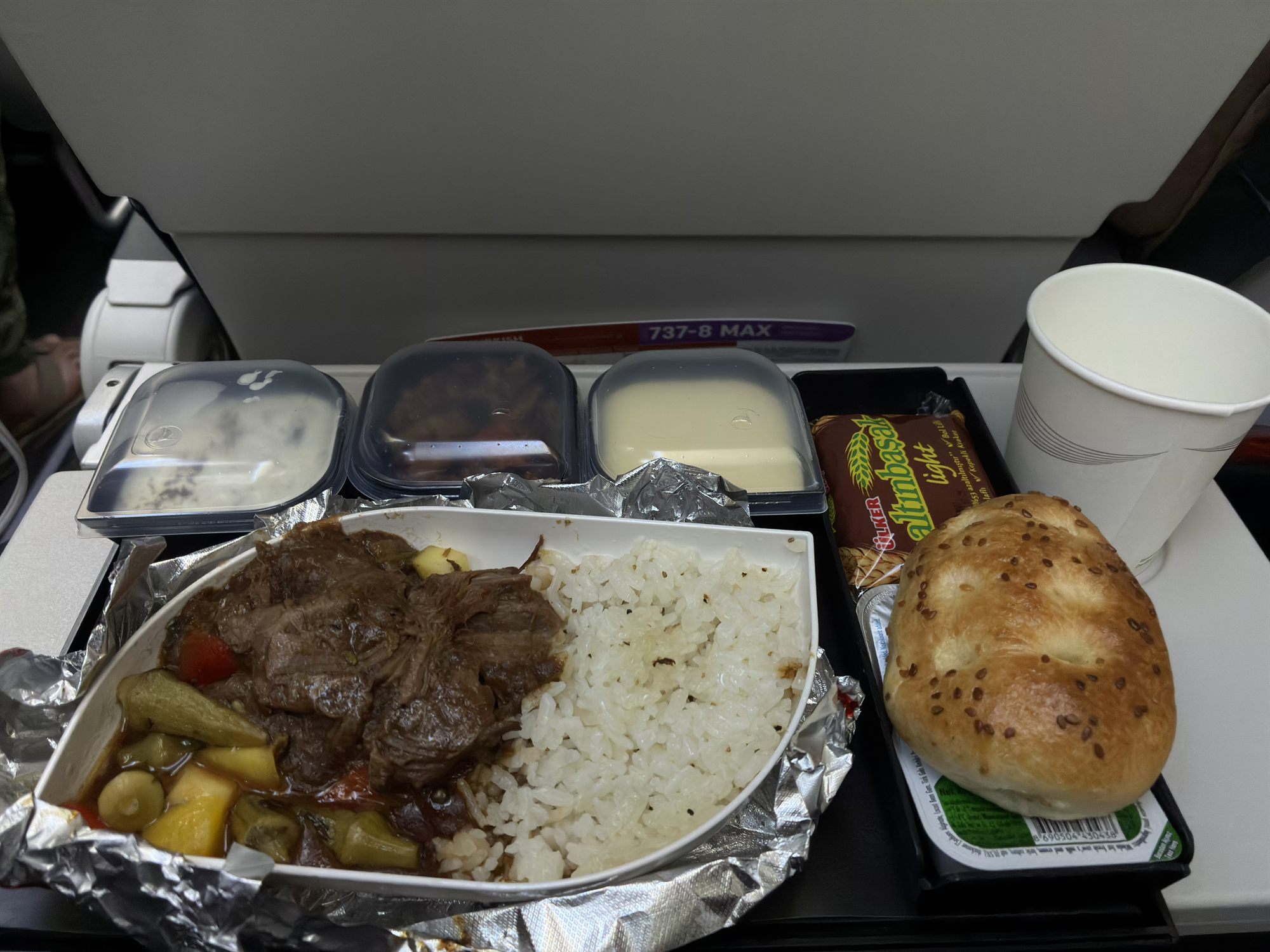
An Uber picked me up at 03.10. Security, passport control and waiting took about an hour, and at around 06.00 I took off for Istanbul, landing at about 11.30. The airline food got topped up with my own protein bars.
The flight on to Nouakchott took about 7.5 hours, and it was a different kind of flight. Many of the passengers were Mauritanian, and several didn't seem used to flying. There was a lot of confusion about seat numbers and hand luggage – what goes under the seat and what goes in the overhead bin – and people walked around the cabin barefoot.
Arrival and the e-visa
We landed at around 20.10. I had applied for Mauritania's electronic visa before leaving, and you should do that – but it doesn't mean you skip the procedure at the airport. I still had to go through a separate check and pay €55 there. I'd also brought €100 in cash to change into Mauritanian ouguiya.
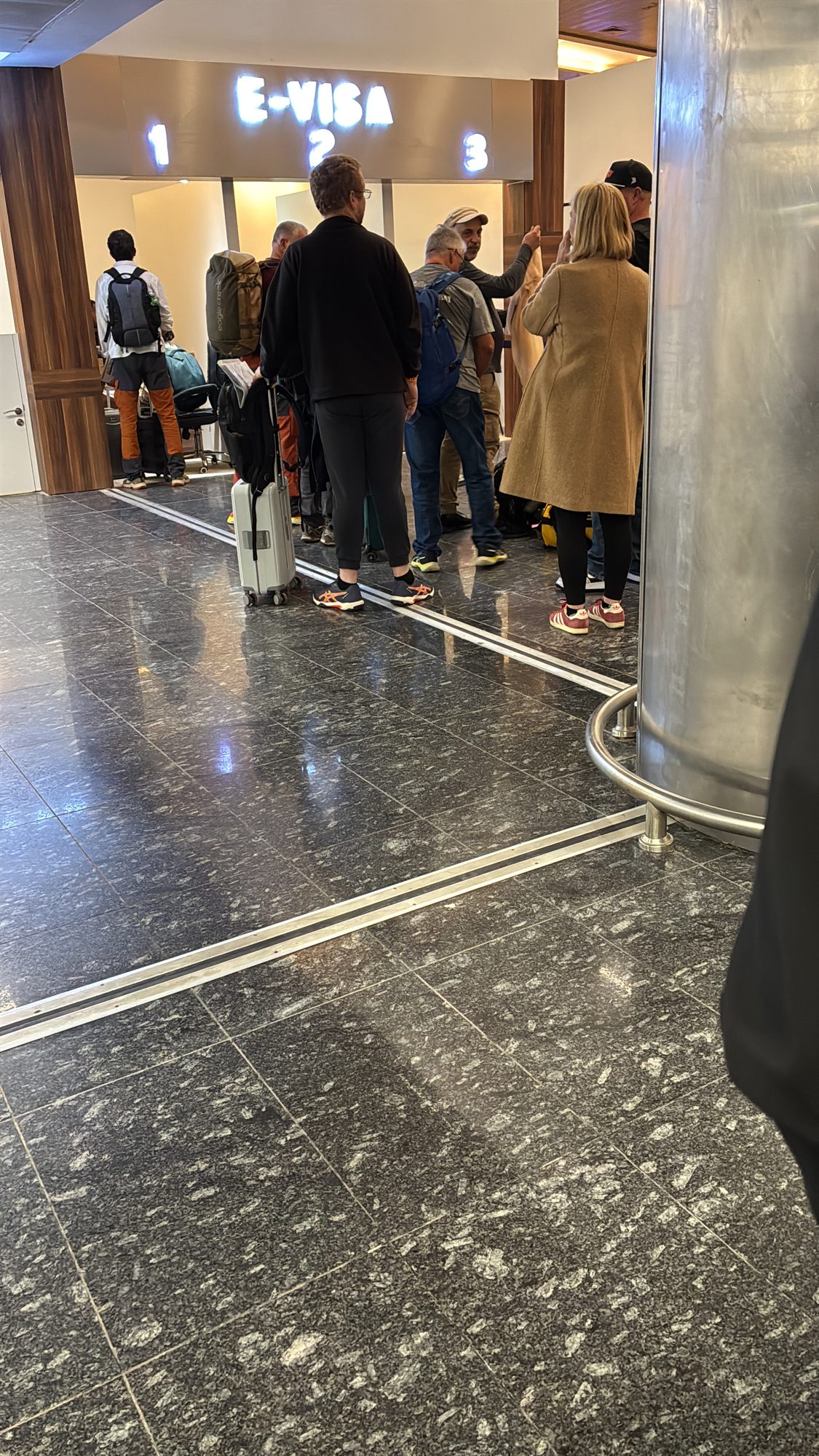
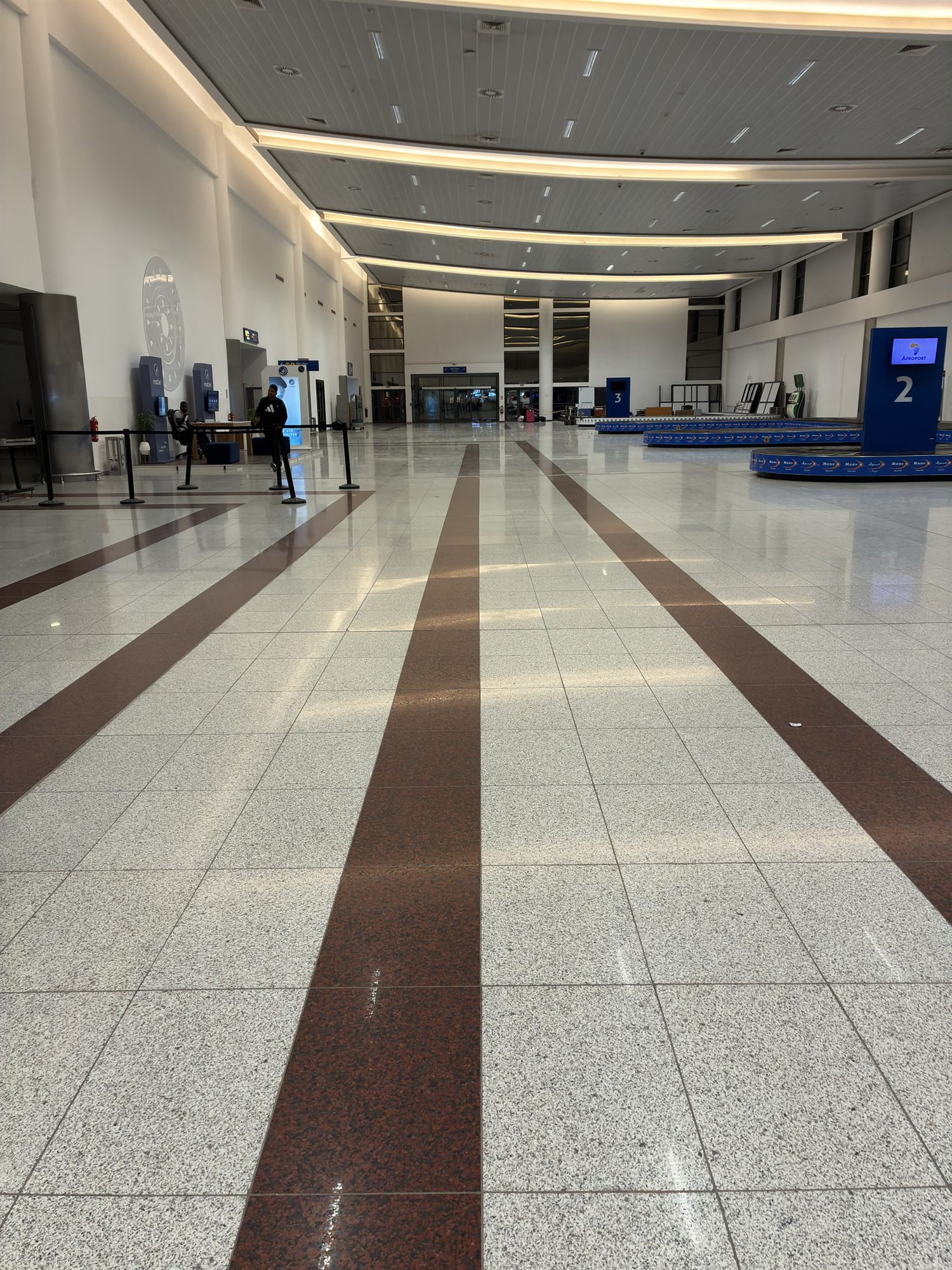
The airport is fairly new and outside the city, but it didn't feel like the staff were used to tourists. Even though ours was the only flight that had landed, it took me about an hour to get through. That was my experience – the fee and procedure may change, and sources online don't fully agree on the details, so check the current rules before you go. When I travelled, payment at the airport was in cash.
First impressions
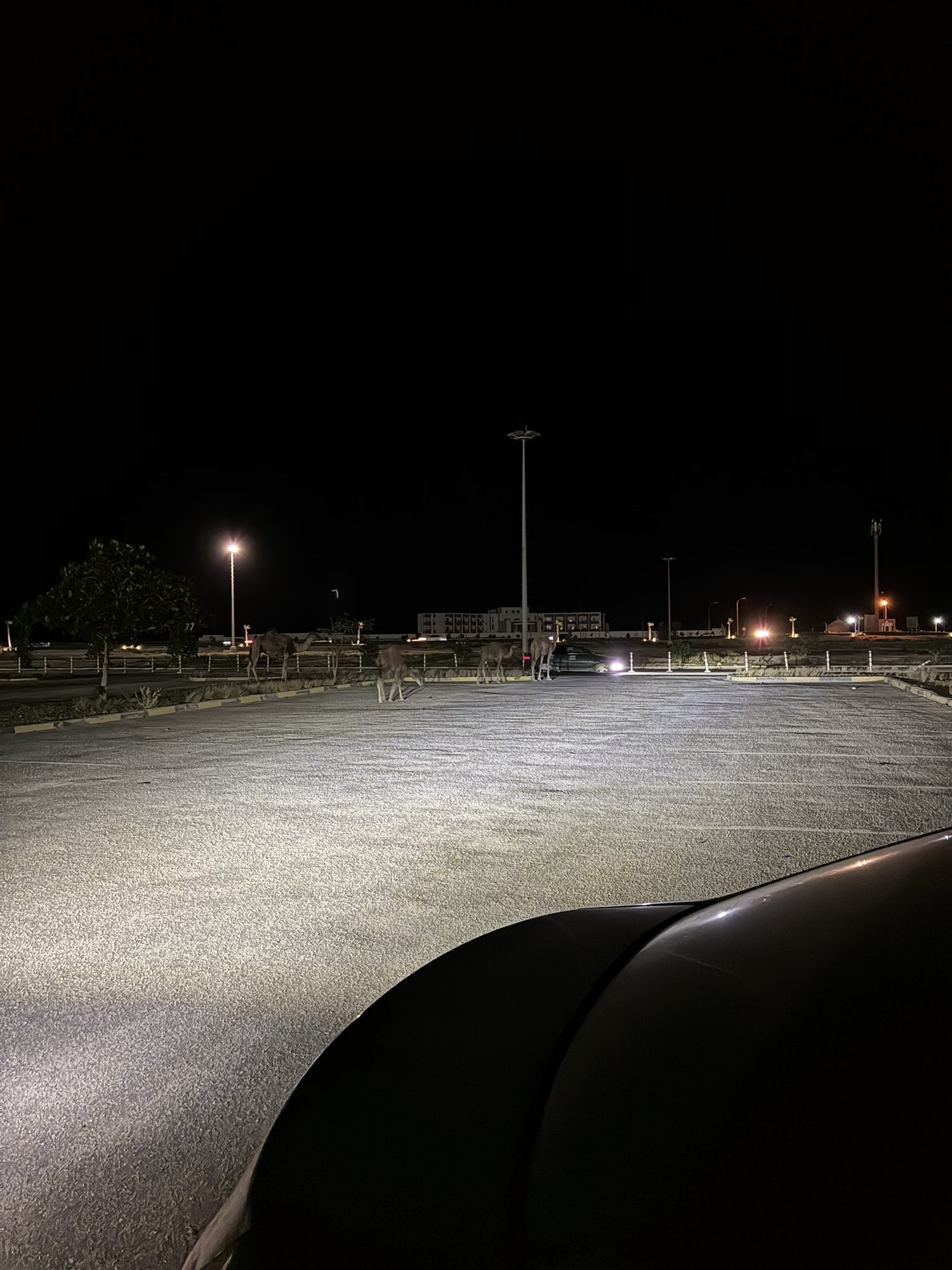
Outside, Sidi Mohamed – my local guide and contact for the whole trip – was waiting, with a driver. At 21.07 we were standing in the car park, and one of the first things I noticed was camels wandering around it. That's quite a welcome to a new country.
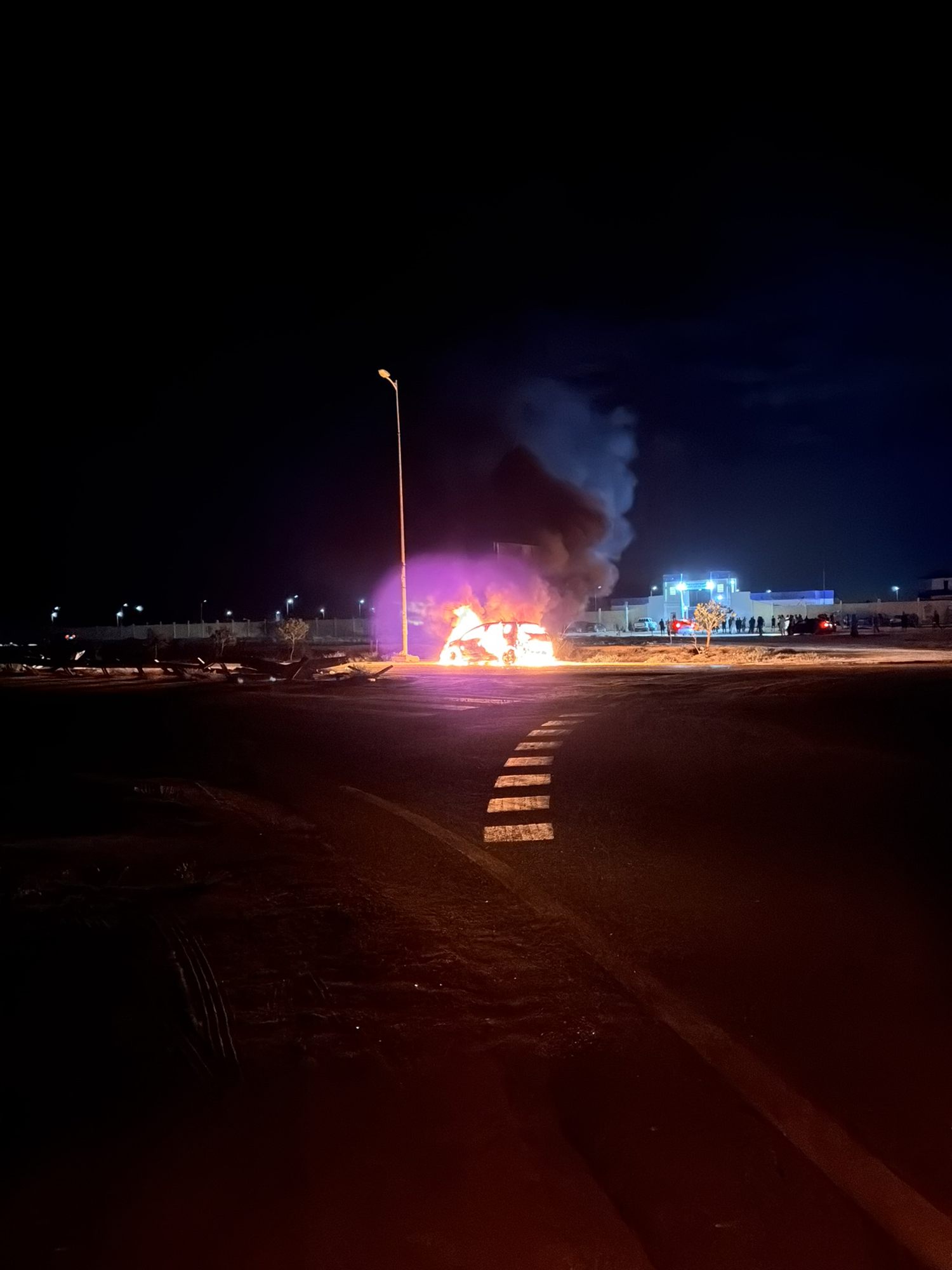
About ten minutes into the drive, we stopped because a car by the road was on fire. We pulled over and took a few photos. An unusual first drive.
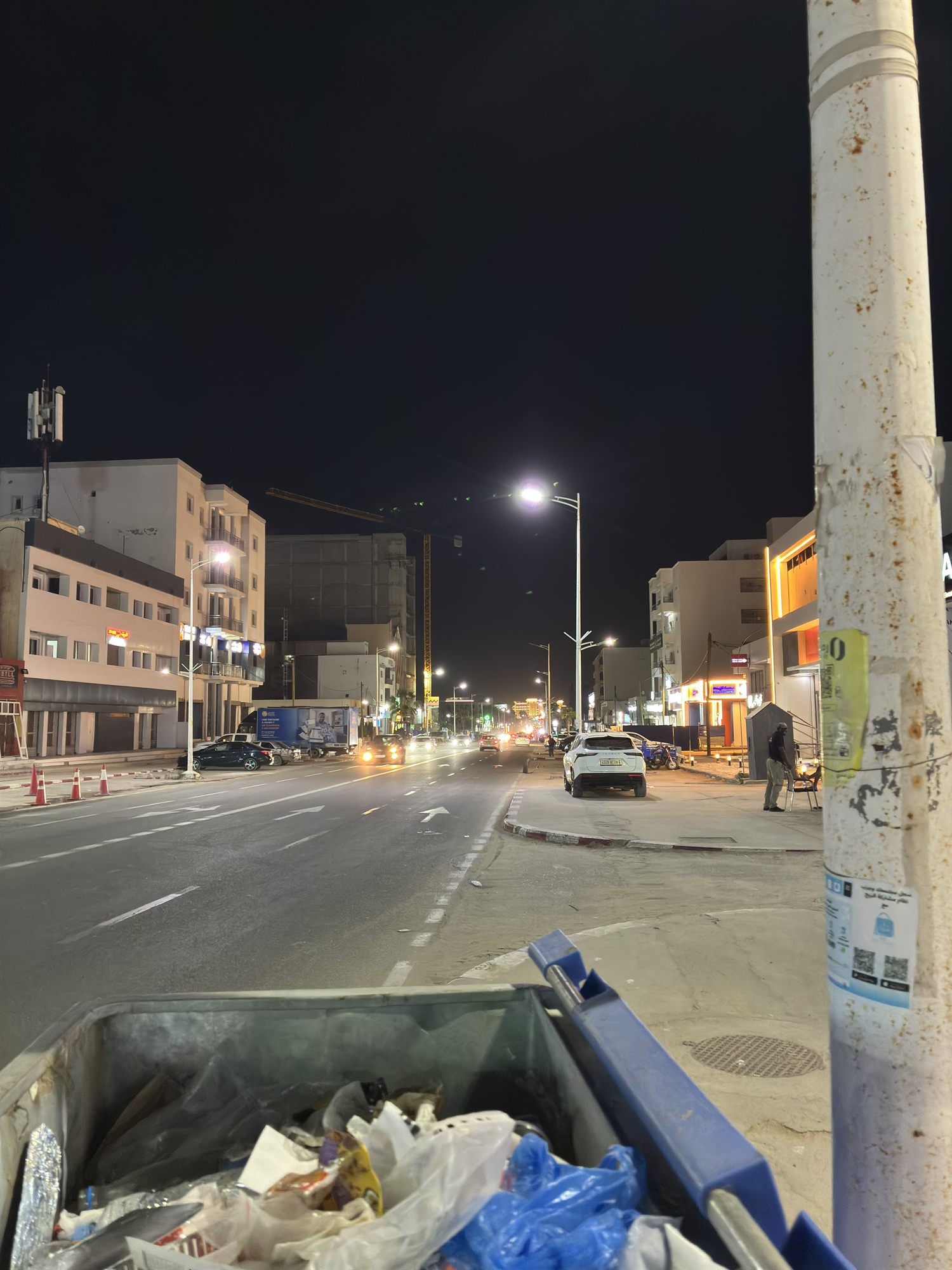
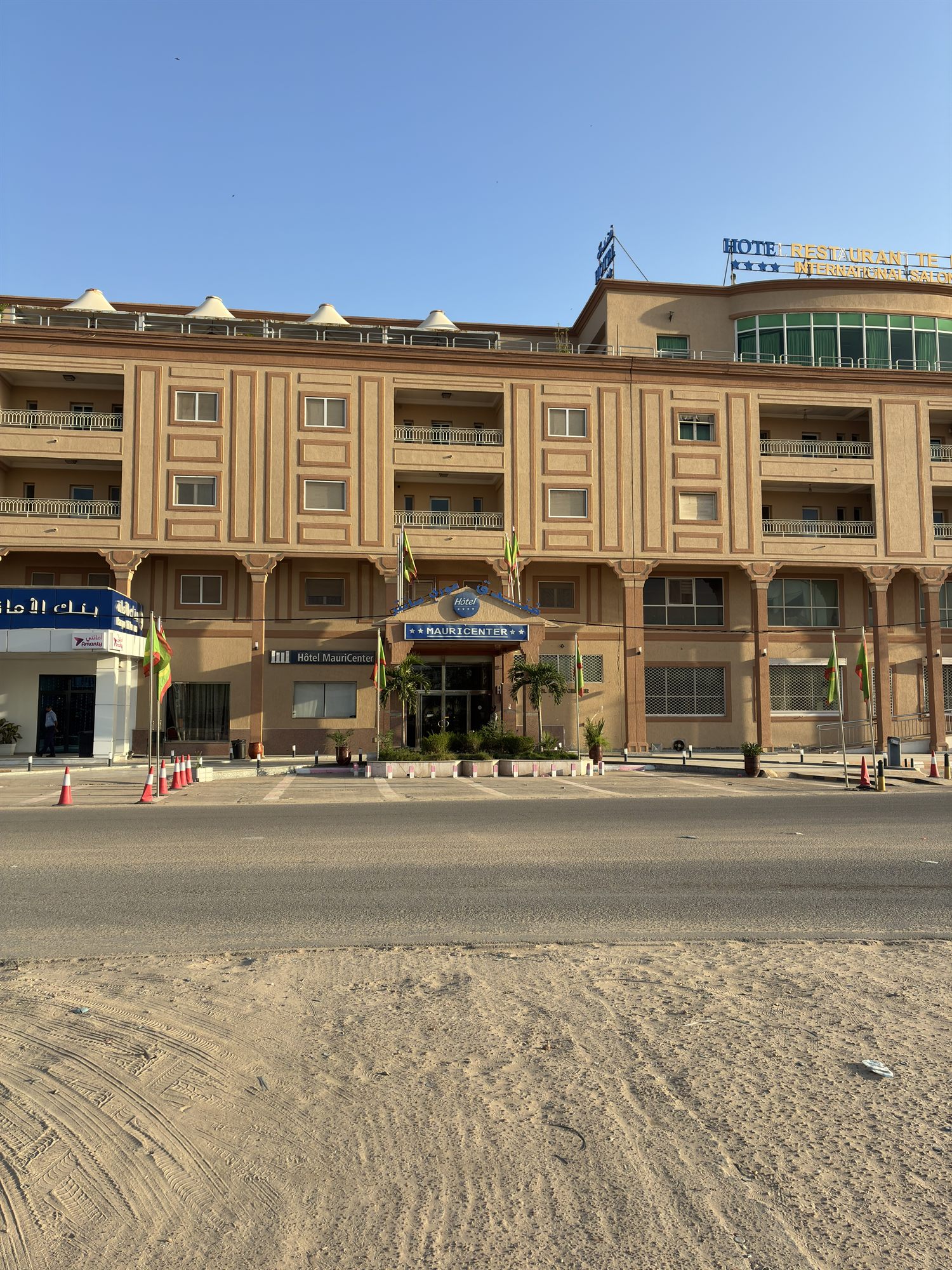
I stayed at Mauri Center Hotel. Before bed I walked to the nearest kiosk, bought a protein shake and looked at the street for a while. A long travel day.
6 November – A day in Nouakchott
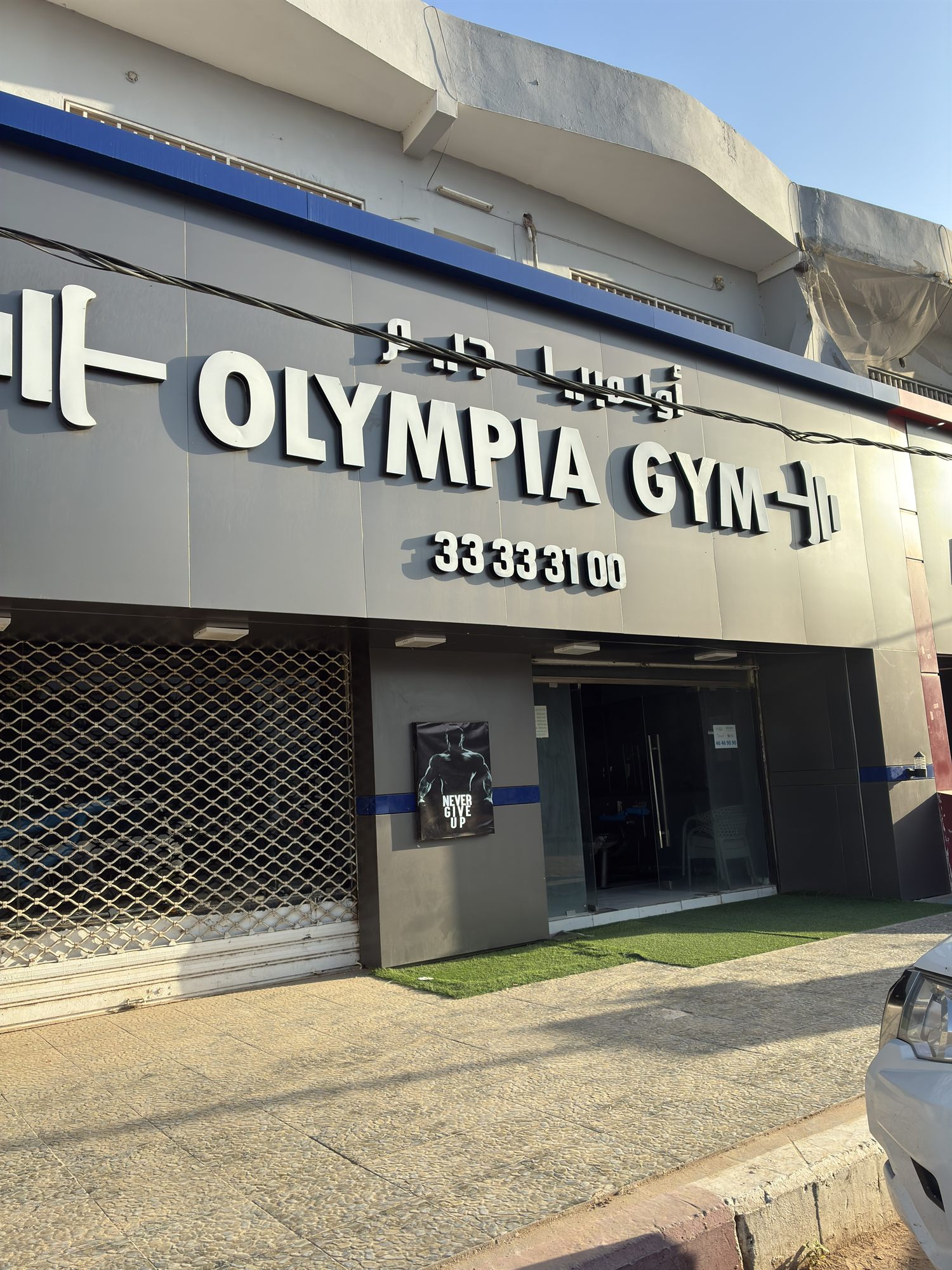
Breakfast at the hotel was modest – a little meat and an egg. I had time before my guide arrived, so at about 08.00 I walked to a shopping centre and found a gym called Olympia Gym. I'd hoped to train, but it was closed.
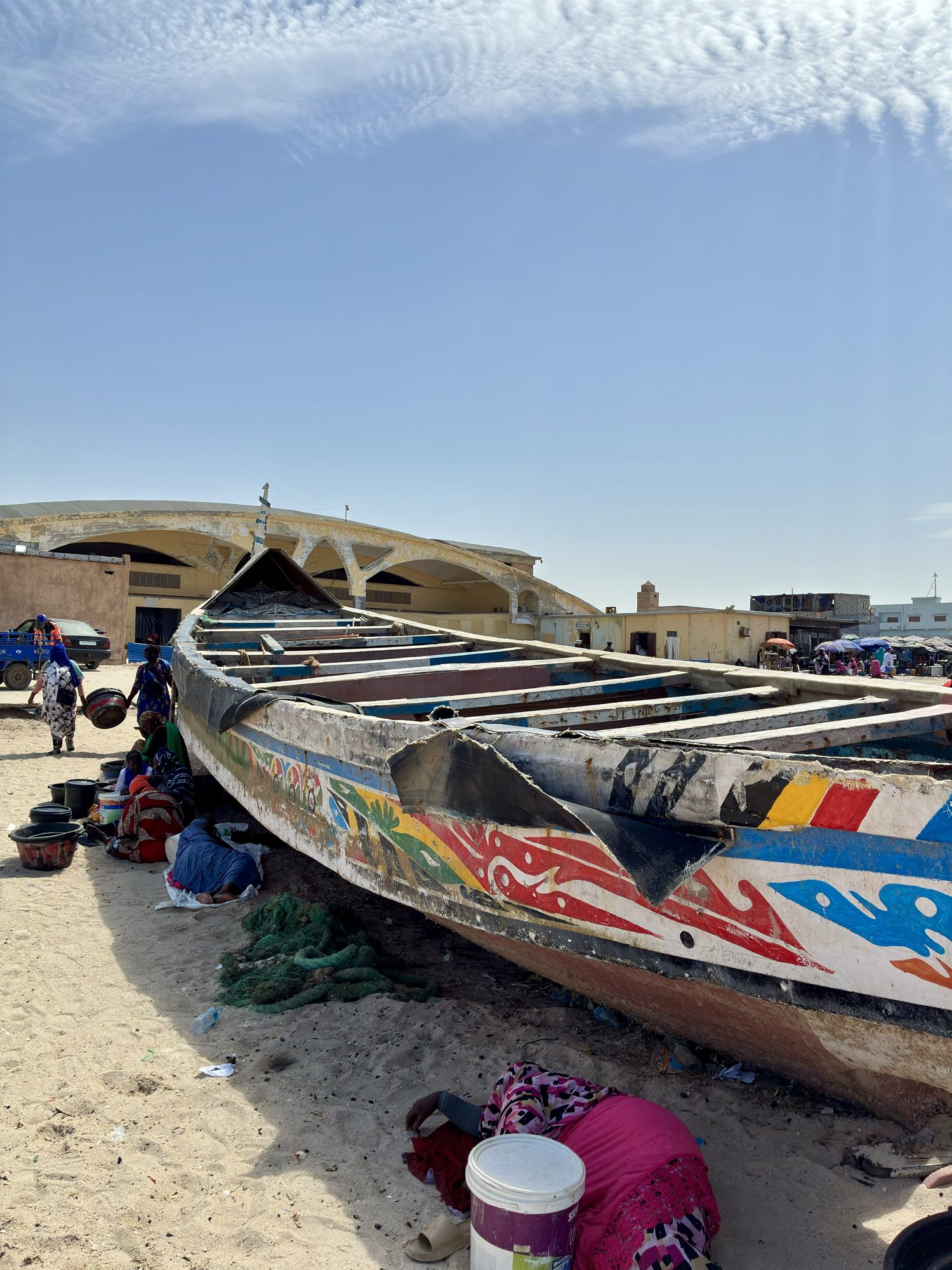
At 09.30 Sidi Mohamed picked me up, and the day began: the camel market, the central market, the fish market and the painted wooden boats on the beach, a school where the pupils wore military uniforms, lunch at a local restaurant and a session in a local gym. Some of it was uncomfortable – the camel market and the fish market in particular – and some of it was great. I've written about the whole day in a separate article on Nouakchott.
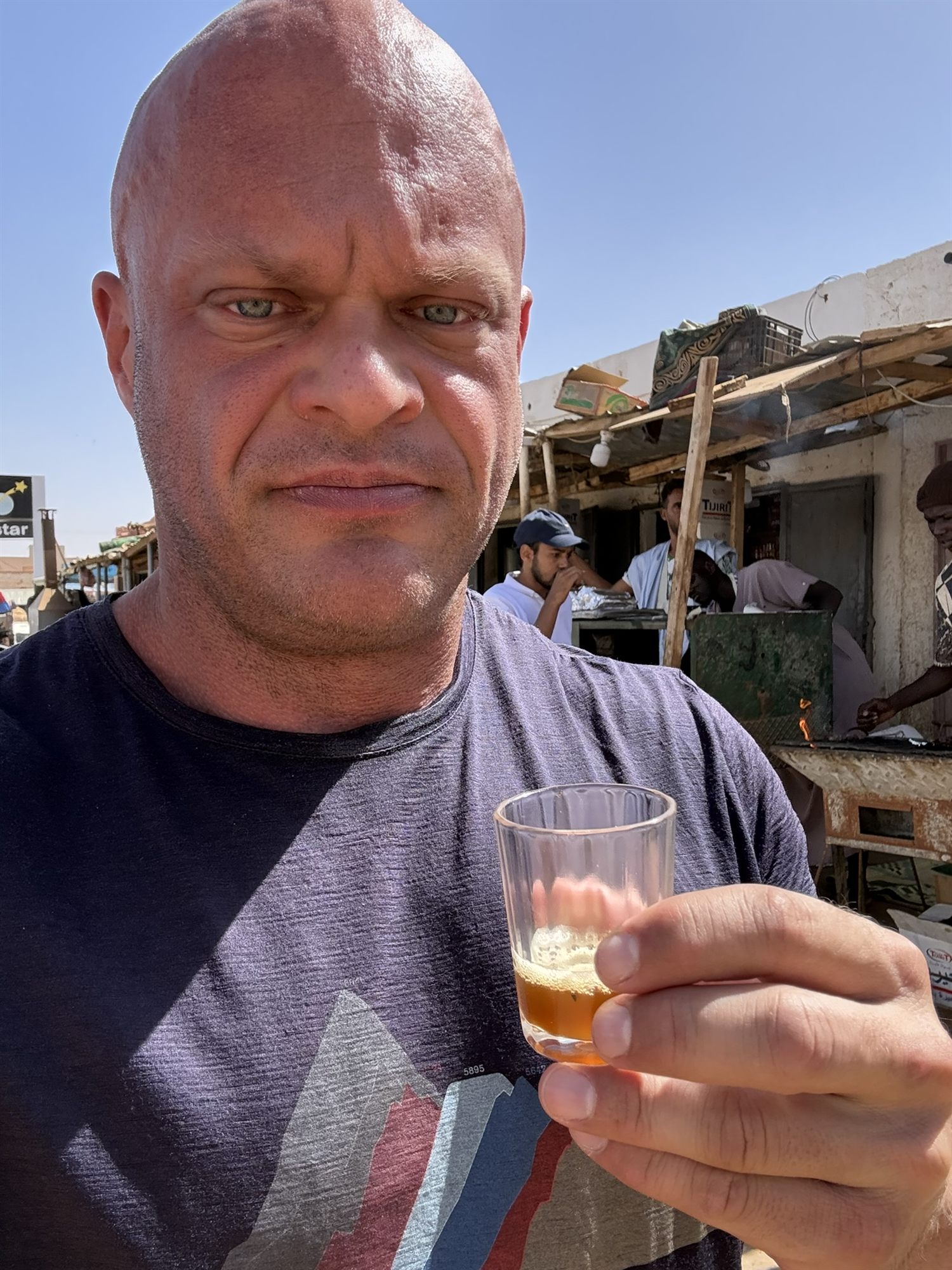
In the evening we bought tea, mint, sugar and bread from small kiosks – Sidi Mohamed honking, the shopkeepers coming out to the car, payment by mobile app – and drove out to the sand dunes to meet one of his friends. On a mat in the sand, over a small fire, they showed me how Mauritanian tea is made: three rounds, from strong to mild, very sweet, poured from a height to build a layer of foam. It was a calm, welcoming end to the day, and a good start to the trip into the country.
7 November – Into the Sahara
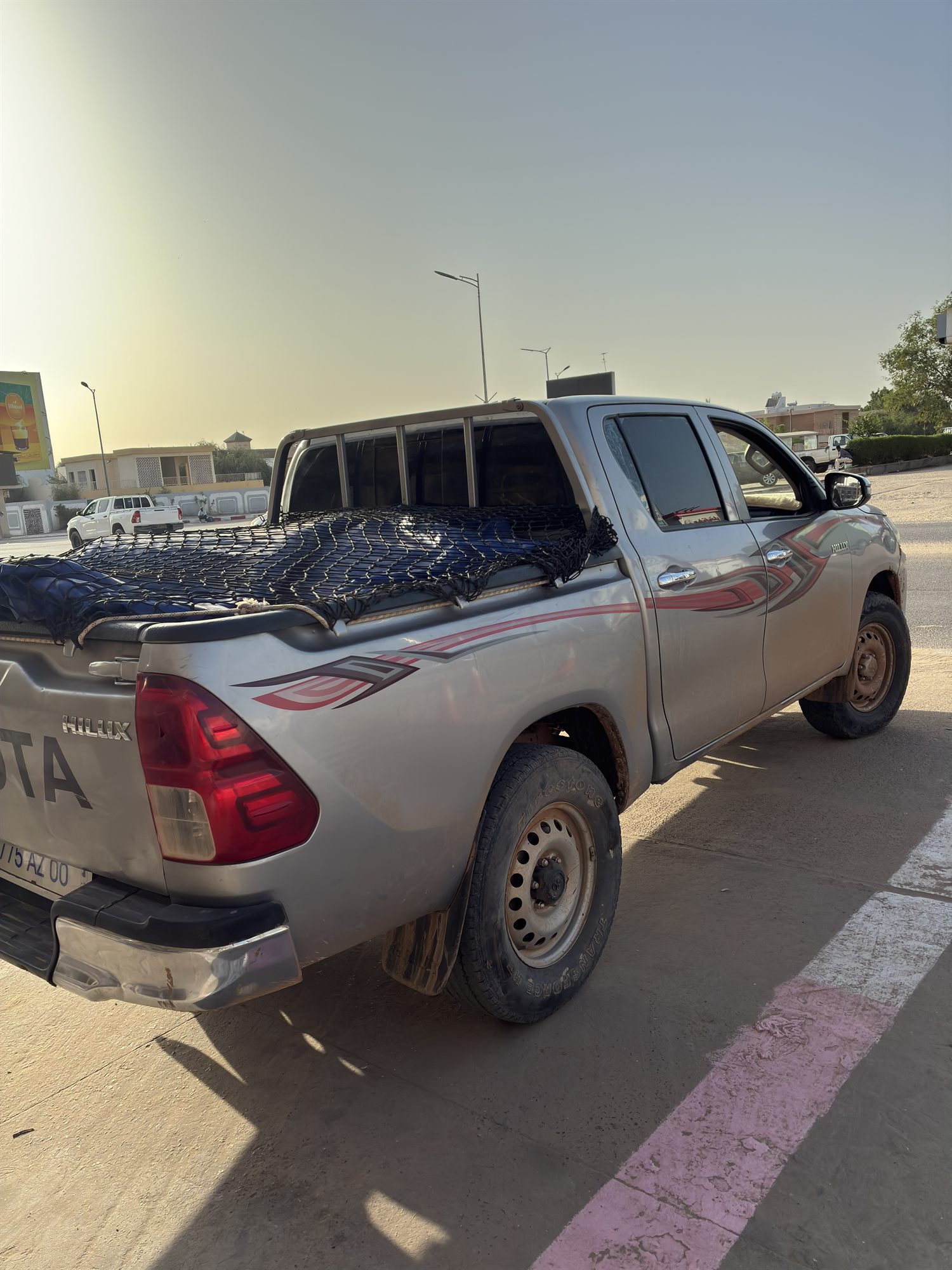
At about 08.30 Sidi Mohamed and a driver picked me up in a 4x4. We bought water and supplies in Nouakchott and left the city.
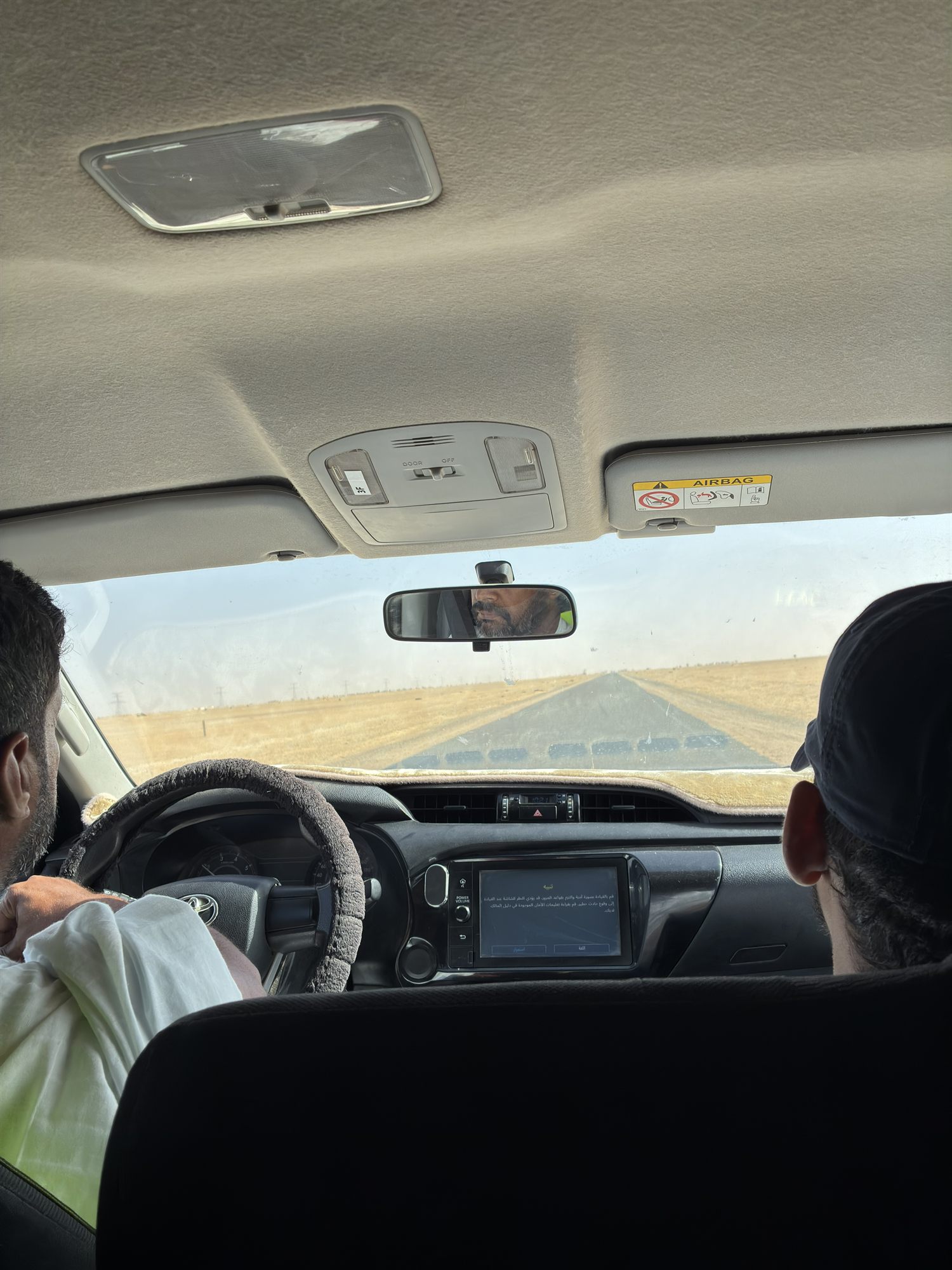
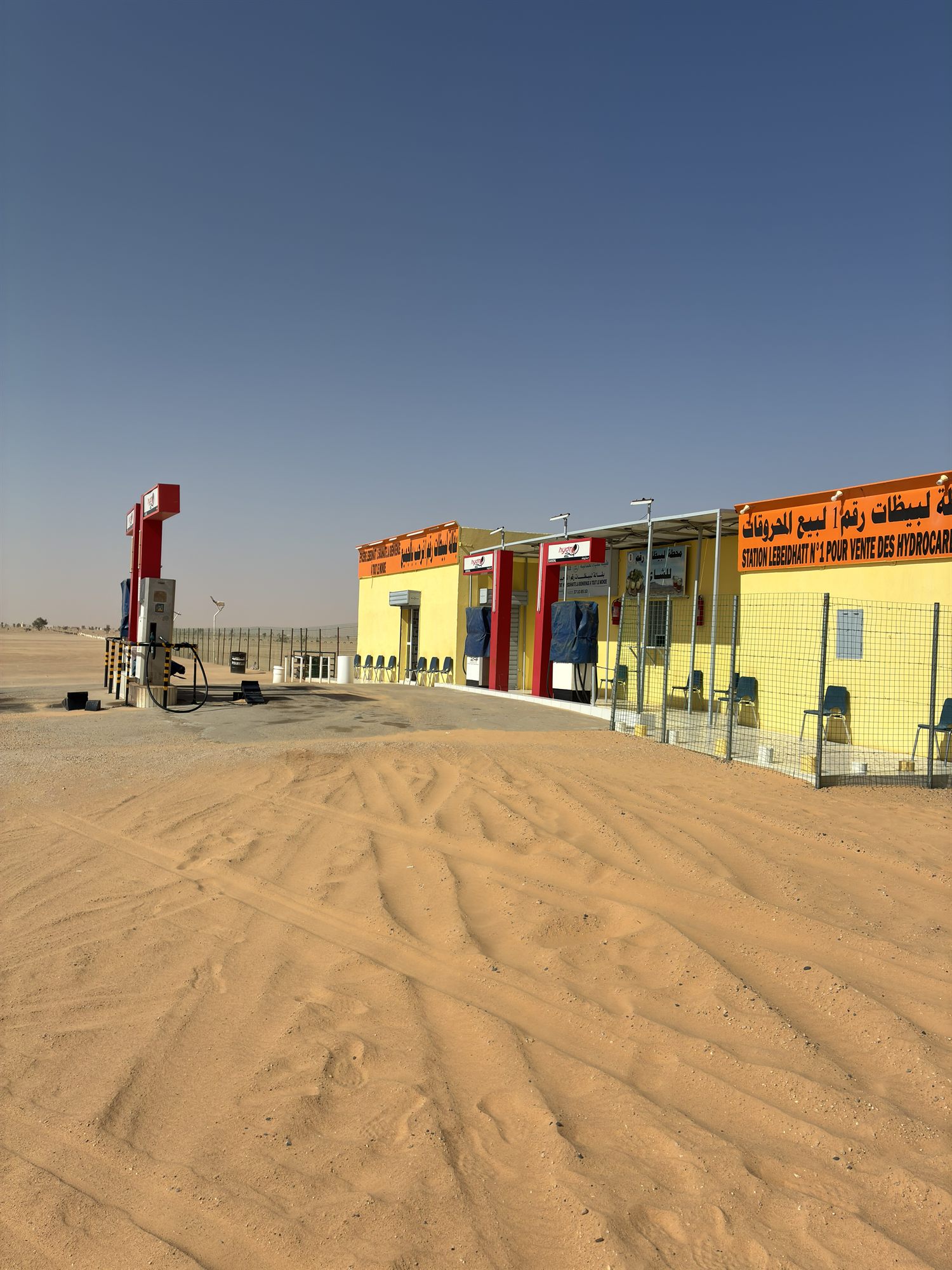
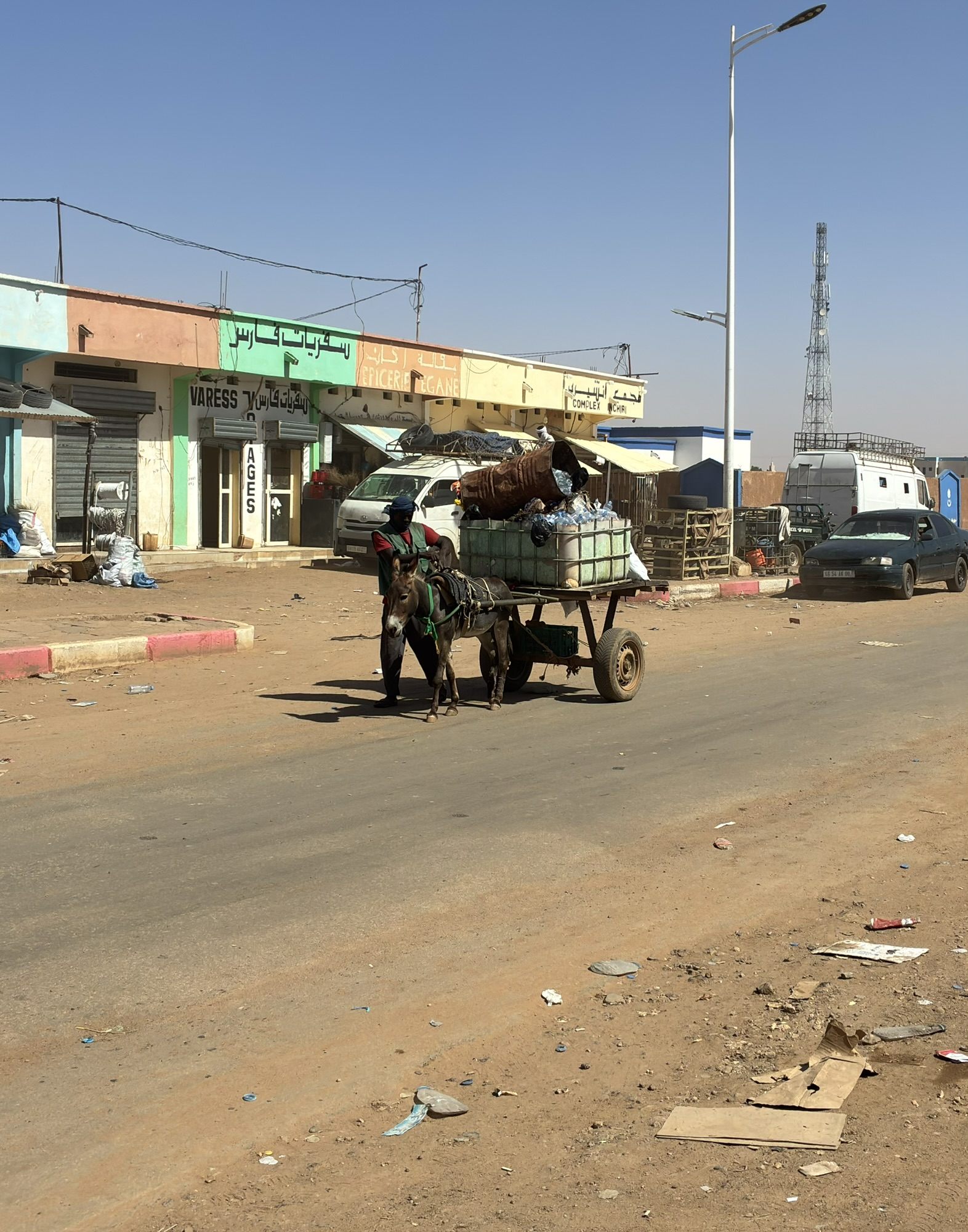
At around 10.36 we stopped at a petrol station in the middle of the Sahara – a slightly surreal sight – filled up and carried on.
Checkpoints – bring passport copies
There were a lot of police and military checkpoints. Before leaving home I'd printed about 20 copies of my passport, and I used almost all of them during the trip, handing one over at many of the checkpoints. That's my best practical tip for Mauritania: bring plenty of copies.
Akjoujt – camel meat on the grill
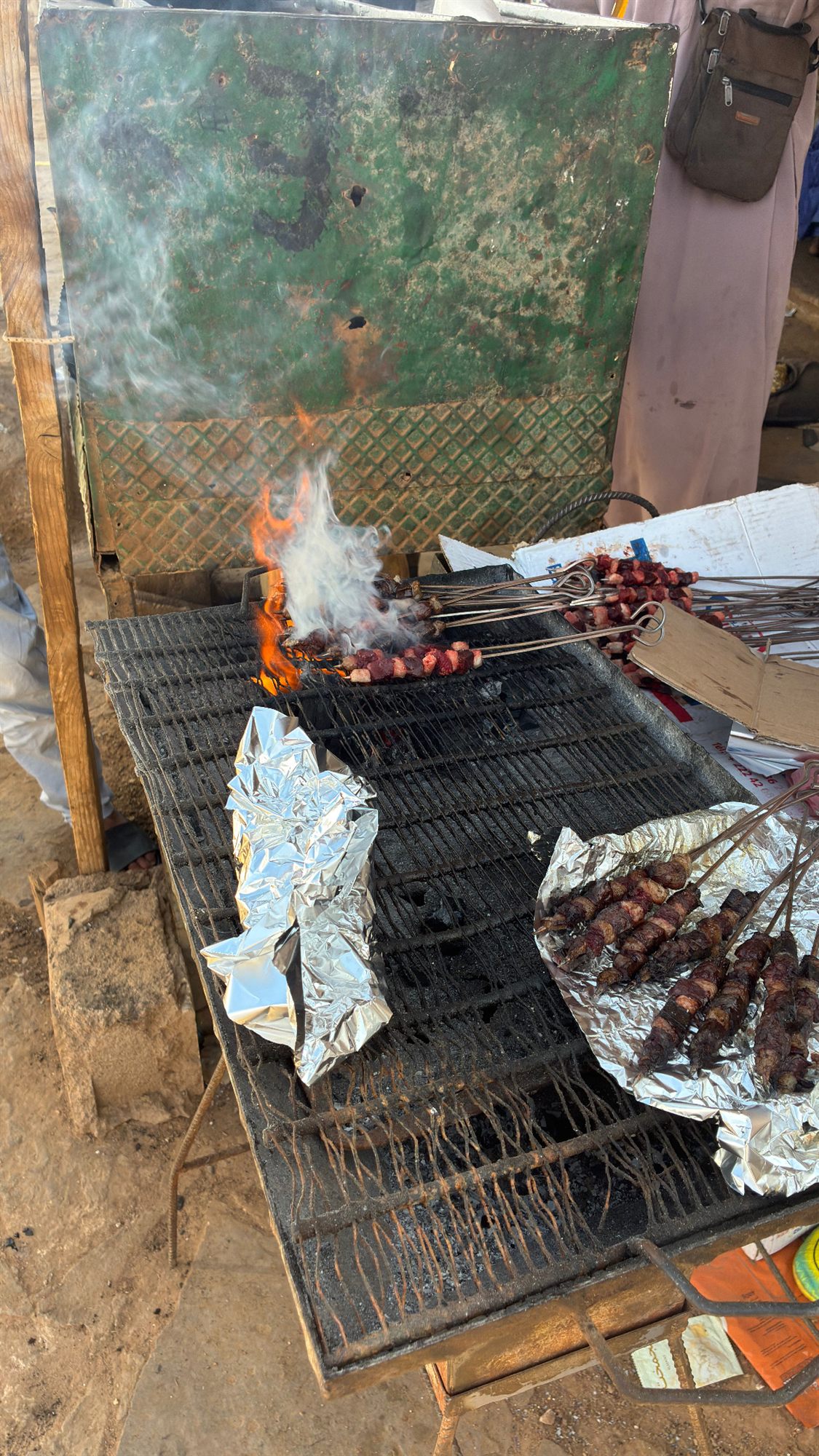
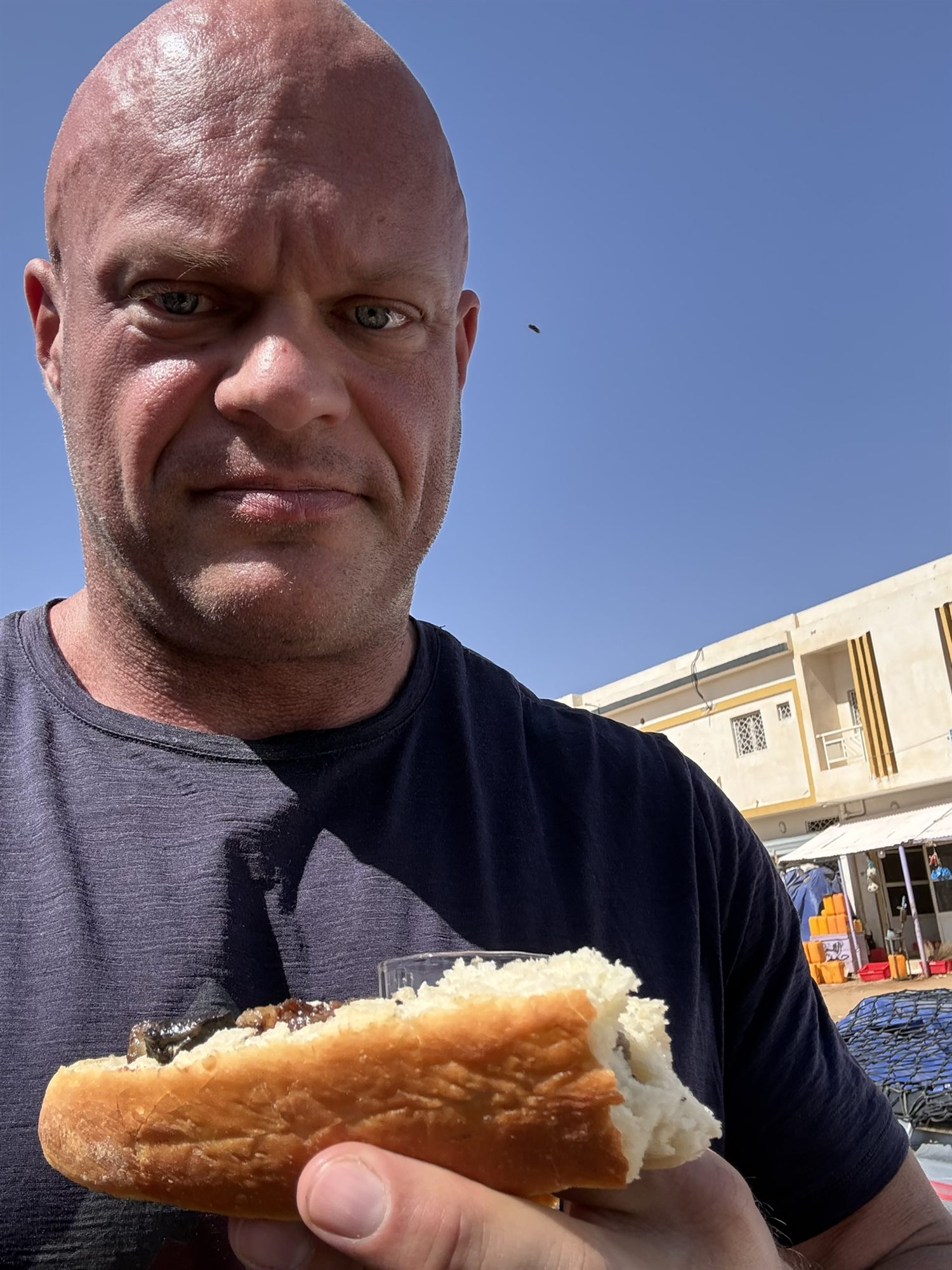
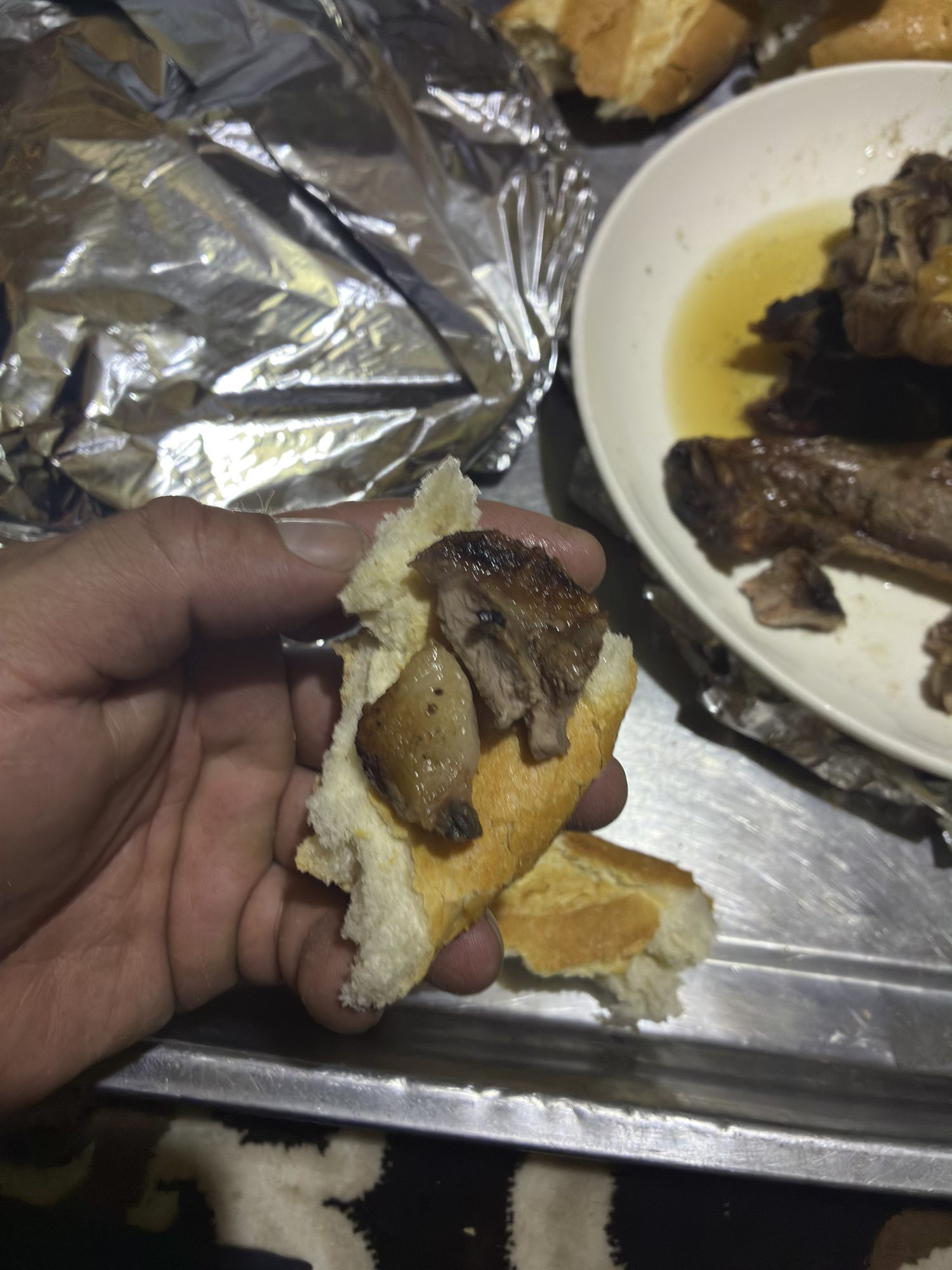
At around 12.00 we reached Akjoujt, the capital of the Inchiri region and a mining town best known for copper and gold. We stopped at a small street-food place for Mauritanian tea and a local bread, a bit like a hot dog, filled with camel meat, camel liver and camel fat, cooked over a very hot, flaming grill. Very different from anything I'd eat at home – and a good, honest taste of local food you won't find on a restaurant menu.
The Terjit oasis
We reached the Terjit oasis at around 14.00. It lies in a gorge on the edge of the Adrar plateau, where a spring feeds a stream and a strip of palm trees between the rocks. Sidi Mohamed told me it was a resting place for pilgrims on the way to Mecca – that's his account; I haven't found it documented. Today it's a place where locals come to relax somewhere a little cooler. The water isn't deep enough to swim in.
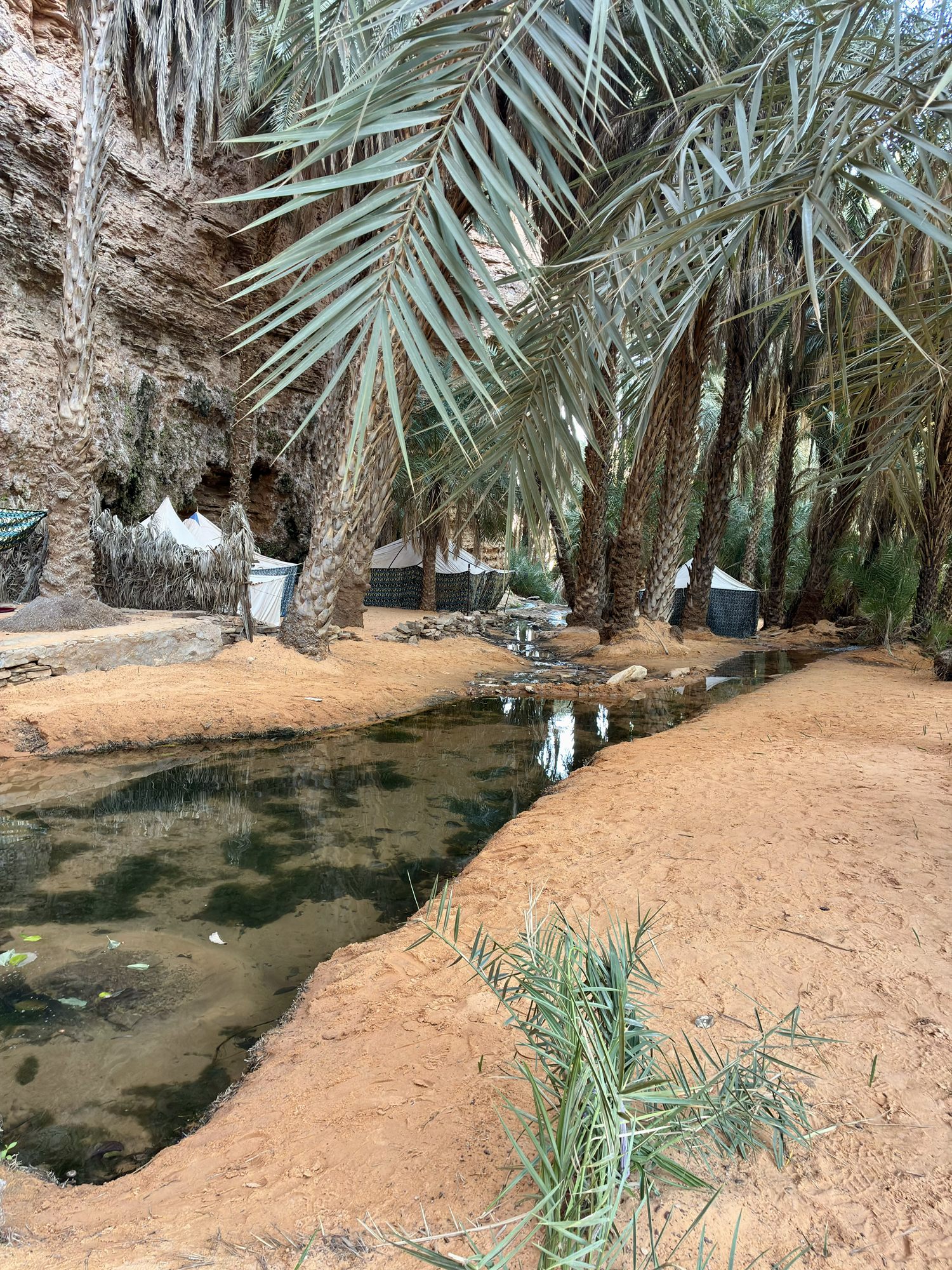
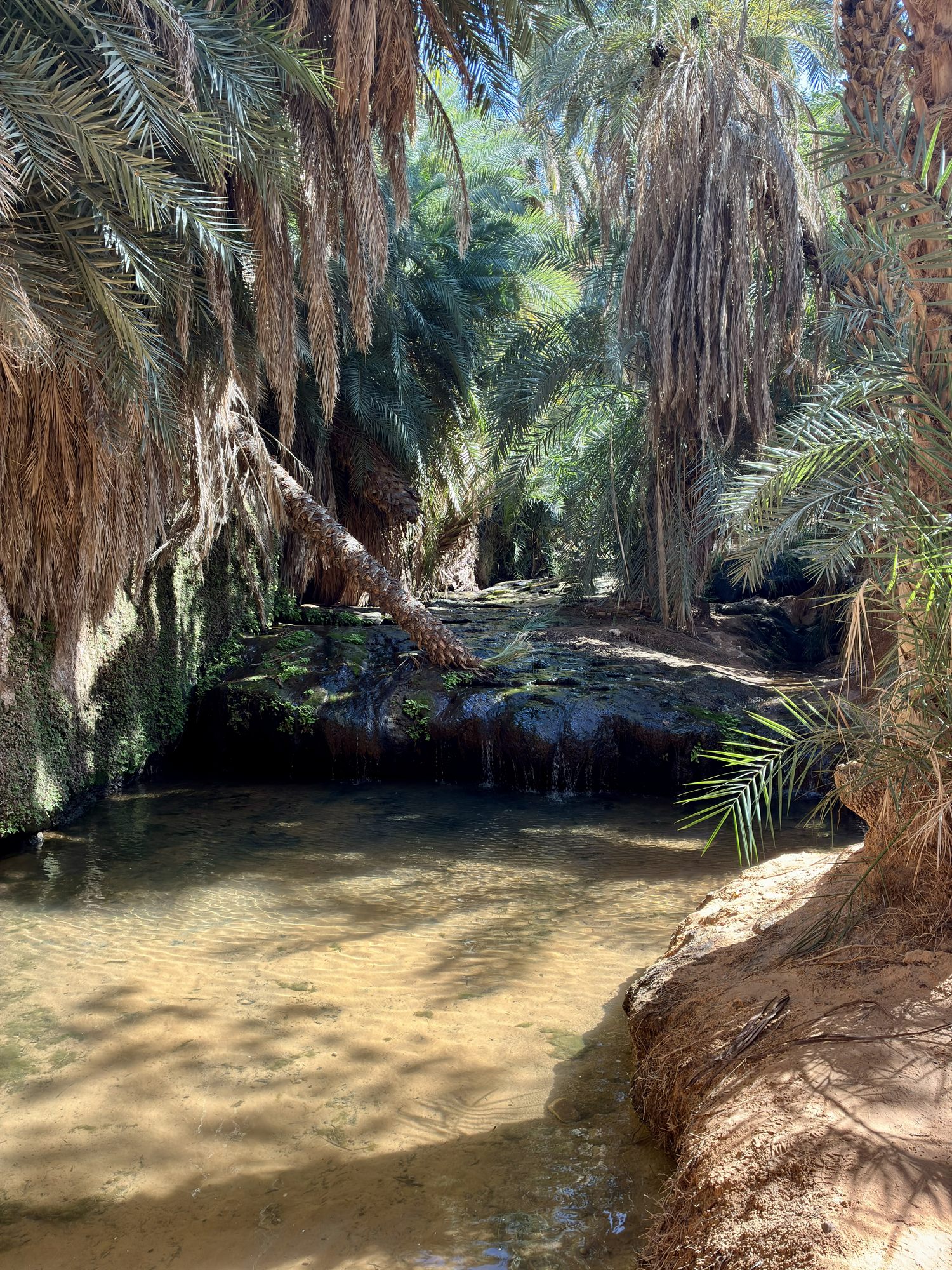
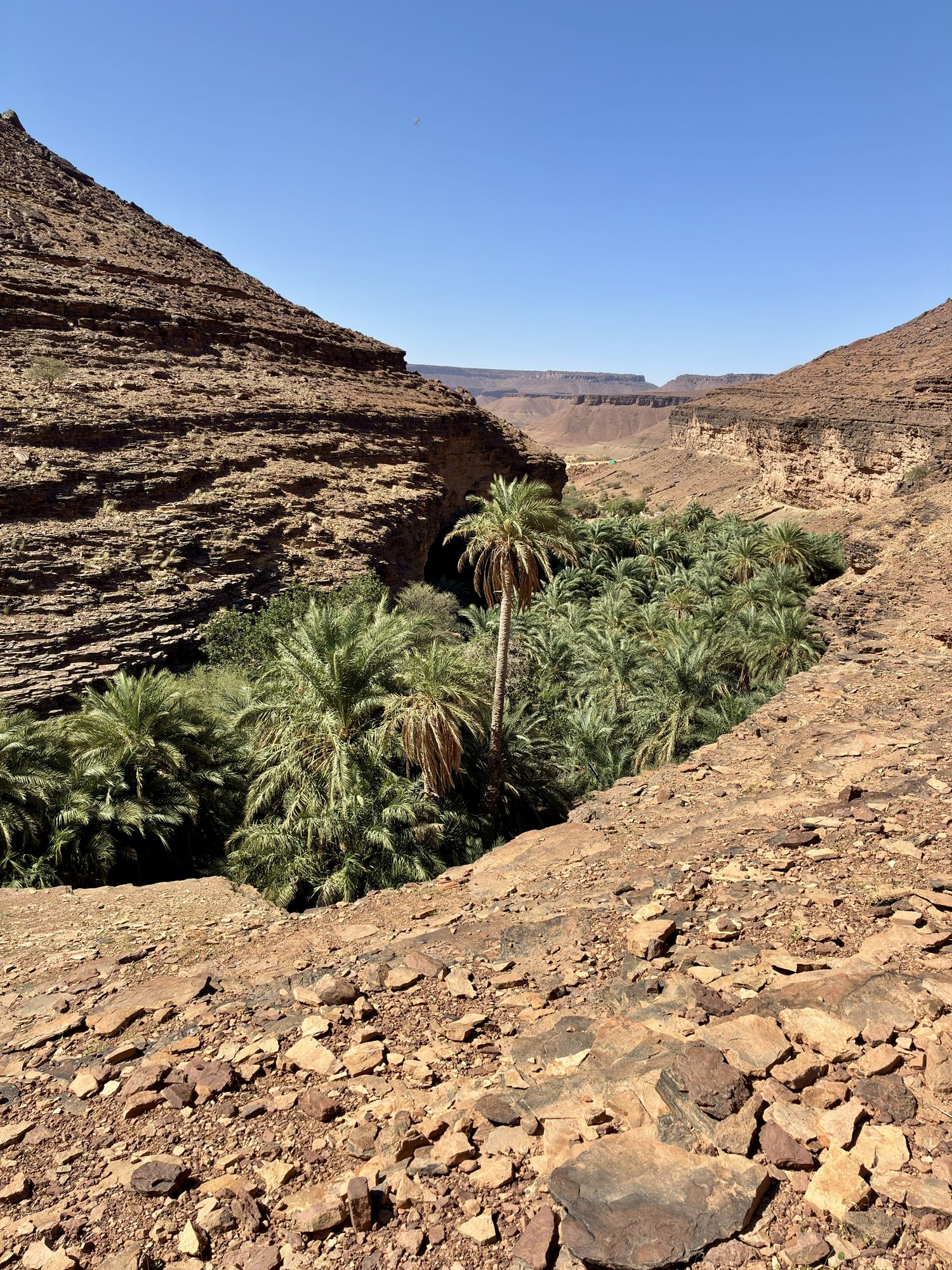
We walked down to it and up to see it from above. My honest view: it's interesting because of where it is and its story, not because it looks spectacular. If it were in Greece, I wouldn't have planned a trip to see it. It's the setting that makes it worth a stop, not a big wow.
On towards Choum
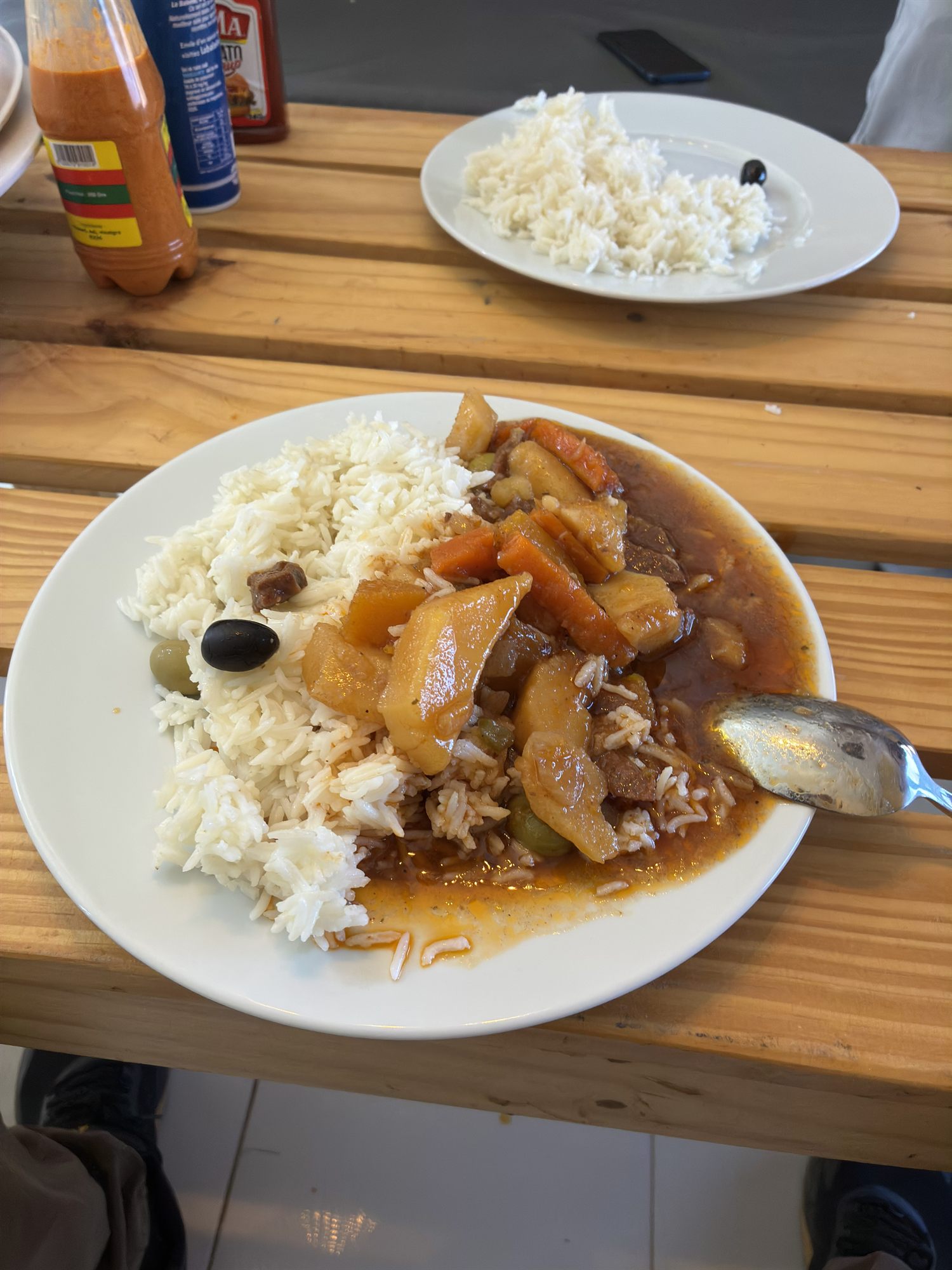
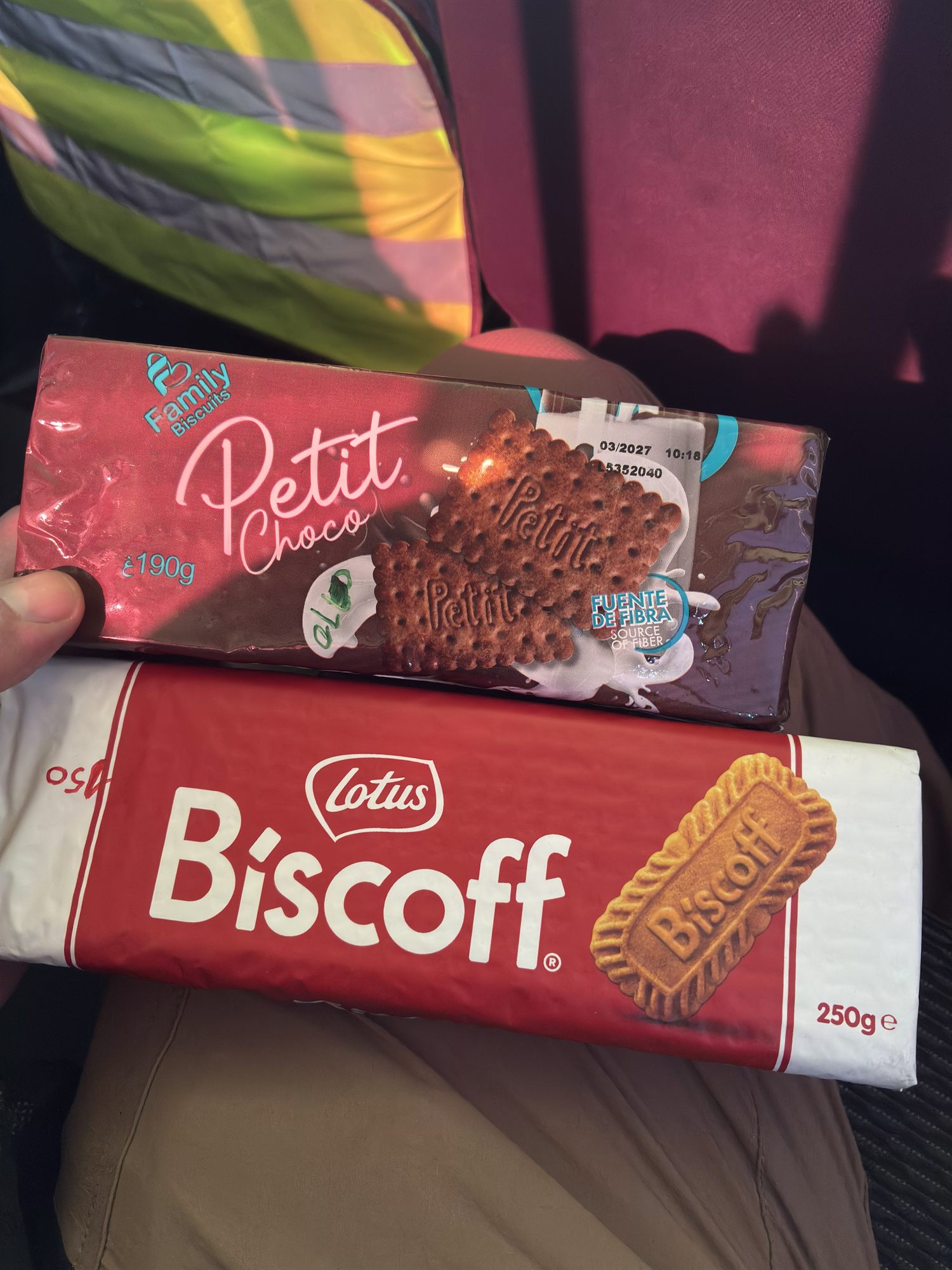
At around 14.30 we ate a local stew with meat, sauce and rice at a small guesthouse. At about 15.50 we passed the last bigger town before Choum, where I bought two packs of biscuits – in that heat, you don't buy anything that can melt or go off.
We reached Choum at around 17.00 and stopped briefly at the guesthouse used by travellers waiting for the Iron Ore Train, to buy water and the last supplies for the night at Ben Amera.
Off-road to Ben Amera – on the back of the truck
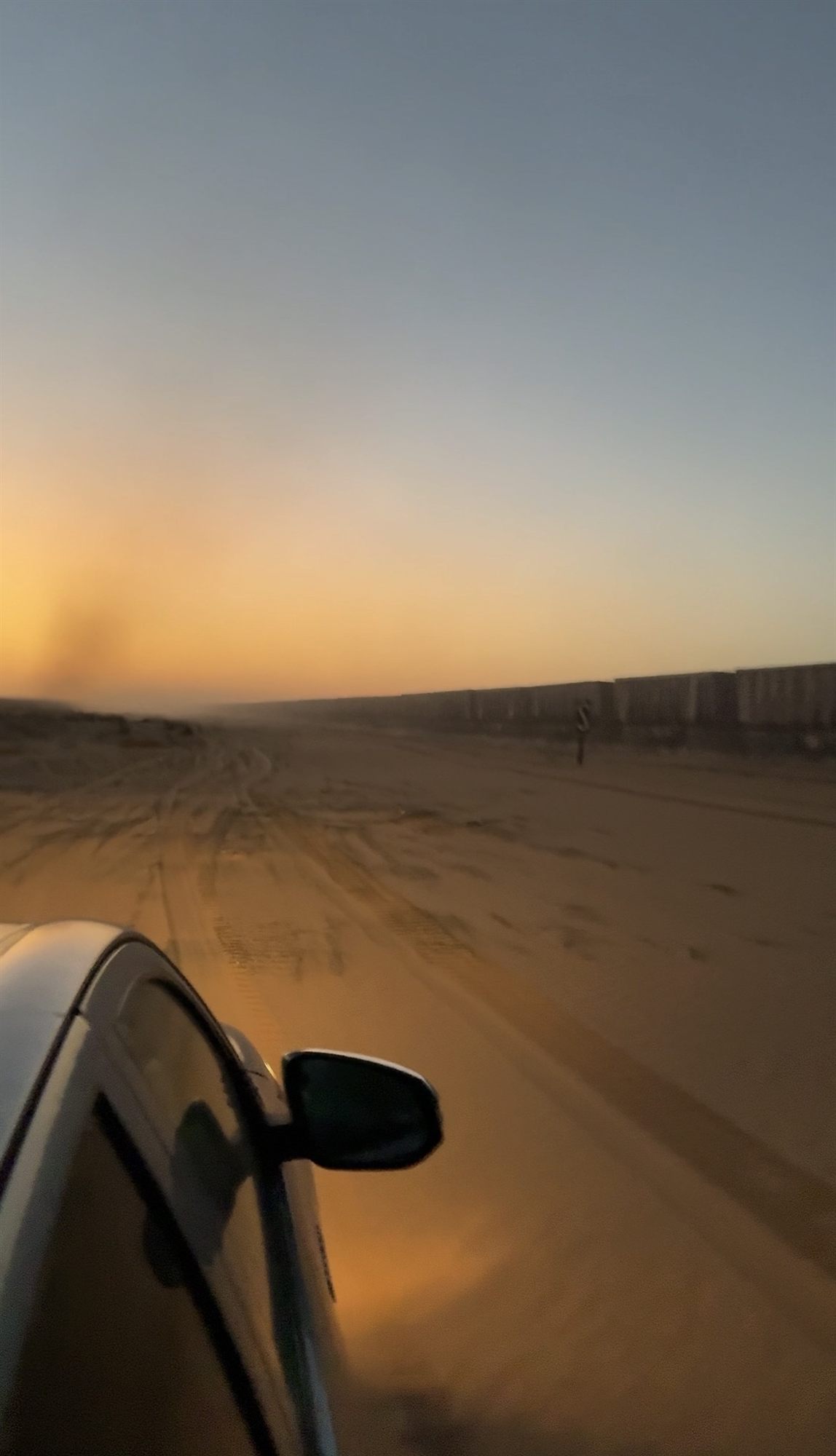
From Choum, the asphalt ends and you drive into the desert. There were four of us now: the driver, a local man, Sidi Mohamed and me, with a load of dry wood and branches for cooking that night.
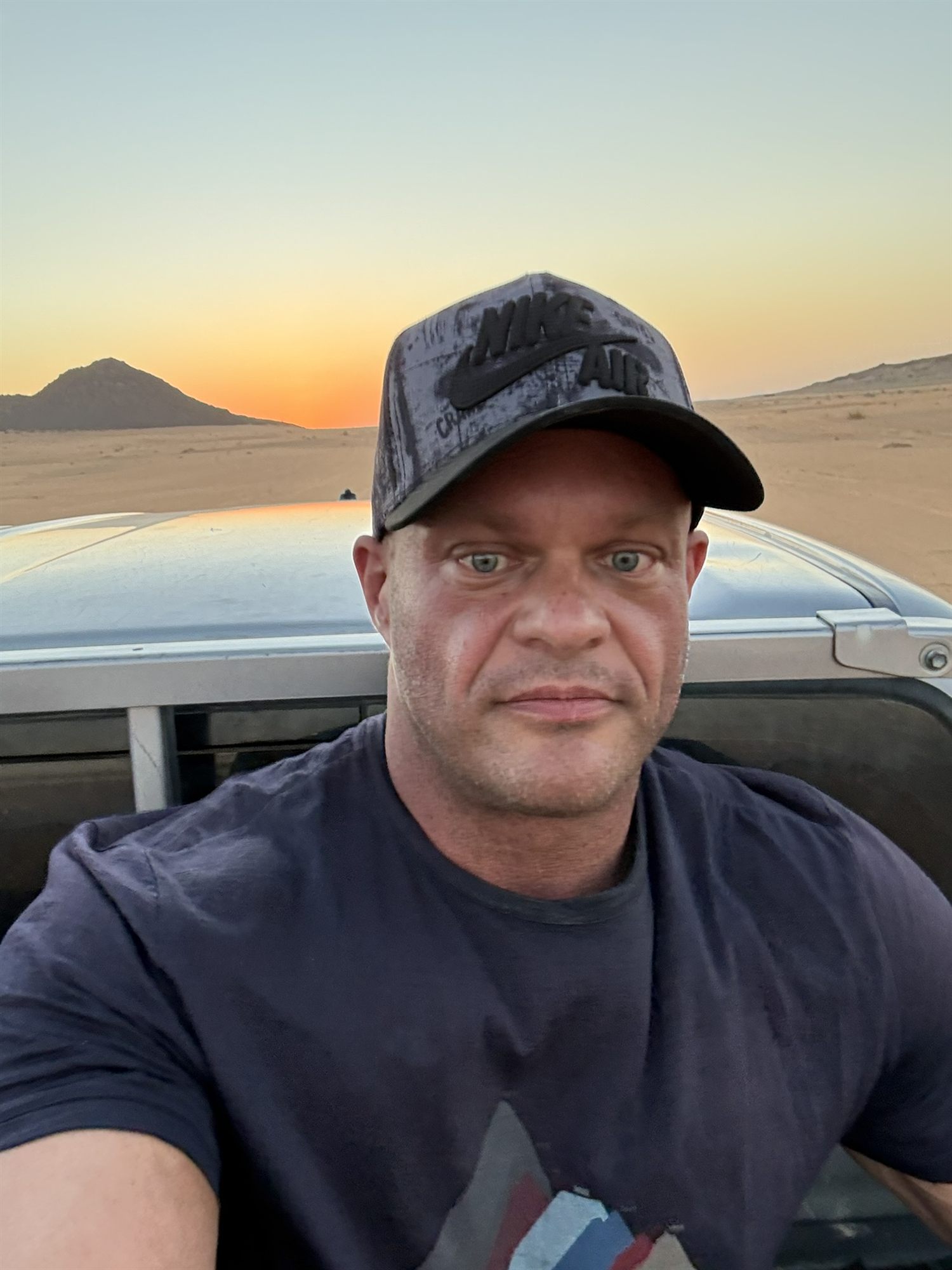
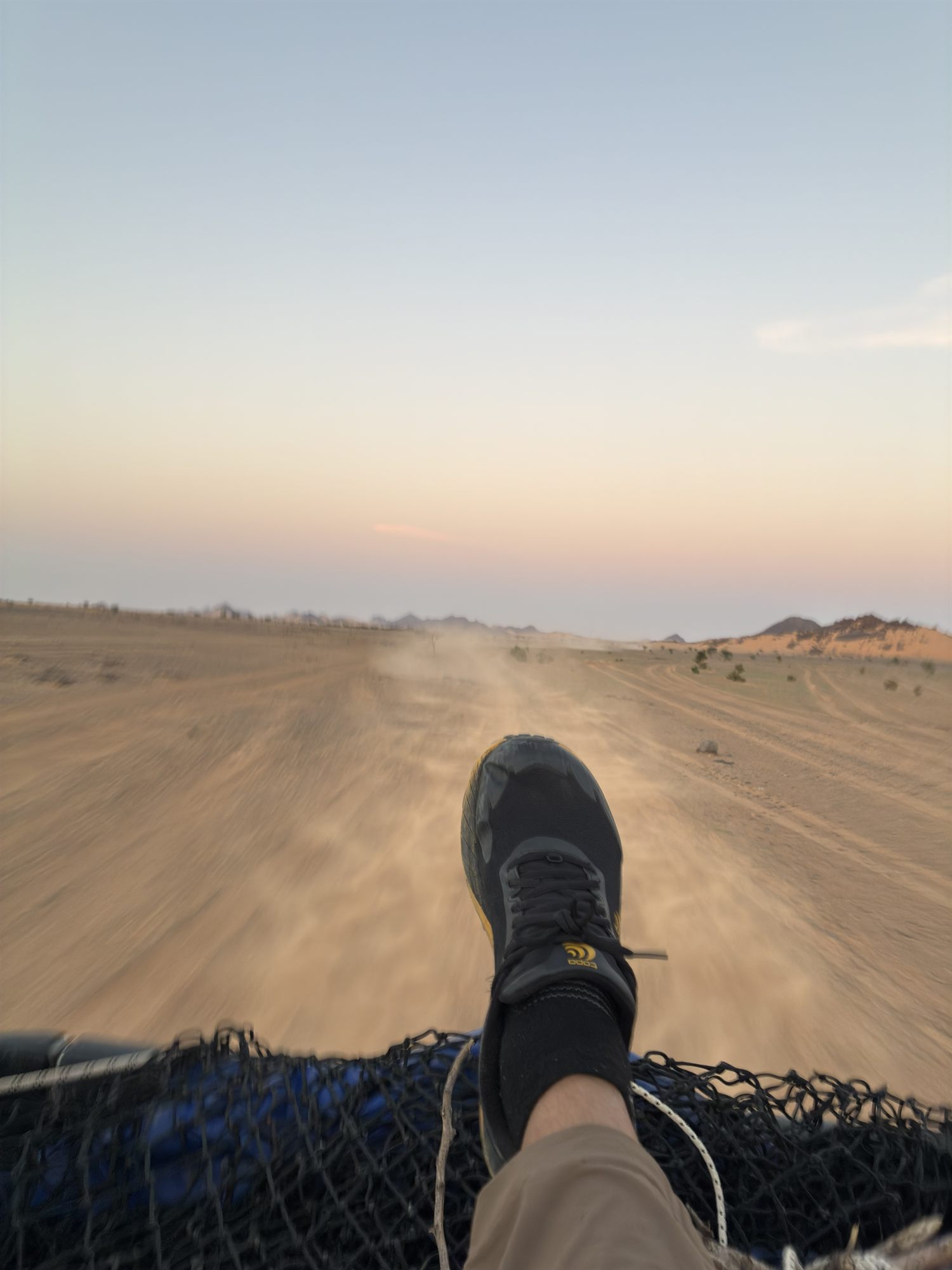
At one point Sidi Mohamed asked if I wanted to ride on the back of the pickup. Of course I did. We sat on the truck bed and raced across the sand and dunes at up to 100 km/h, bouncing around and holding on tight, with Ben Amera ahead of us in the sunset. It was one of the great adventure moments of the trip – a completely different experience from sitting inside the car.
Dinner under the stars
We reached the foot of Ben Amera at around 19.00, just as it got dark, set up a small camp around the car and lit a fire with the wood we'd collected. One of the locals cut up the camel meat while Sidi Mohamed and the driver kneaded bread dough. The bread went into the hot embers and was covered with sand to bake underground, while the meat cooked and the tea was made over the coals.
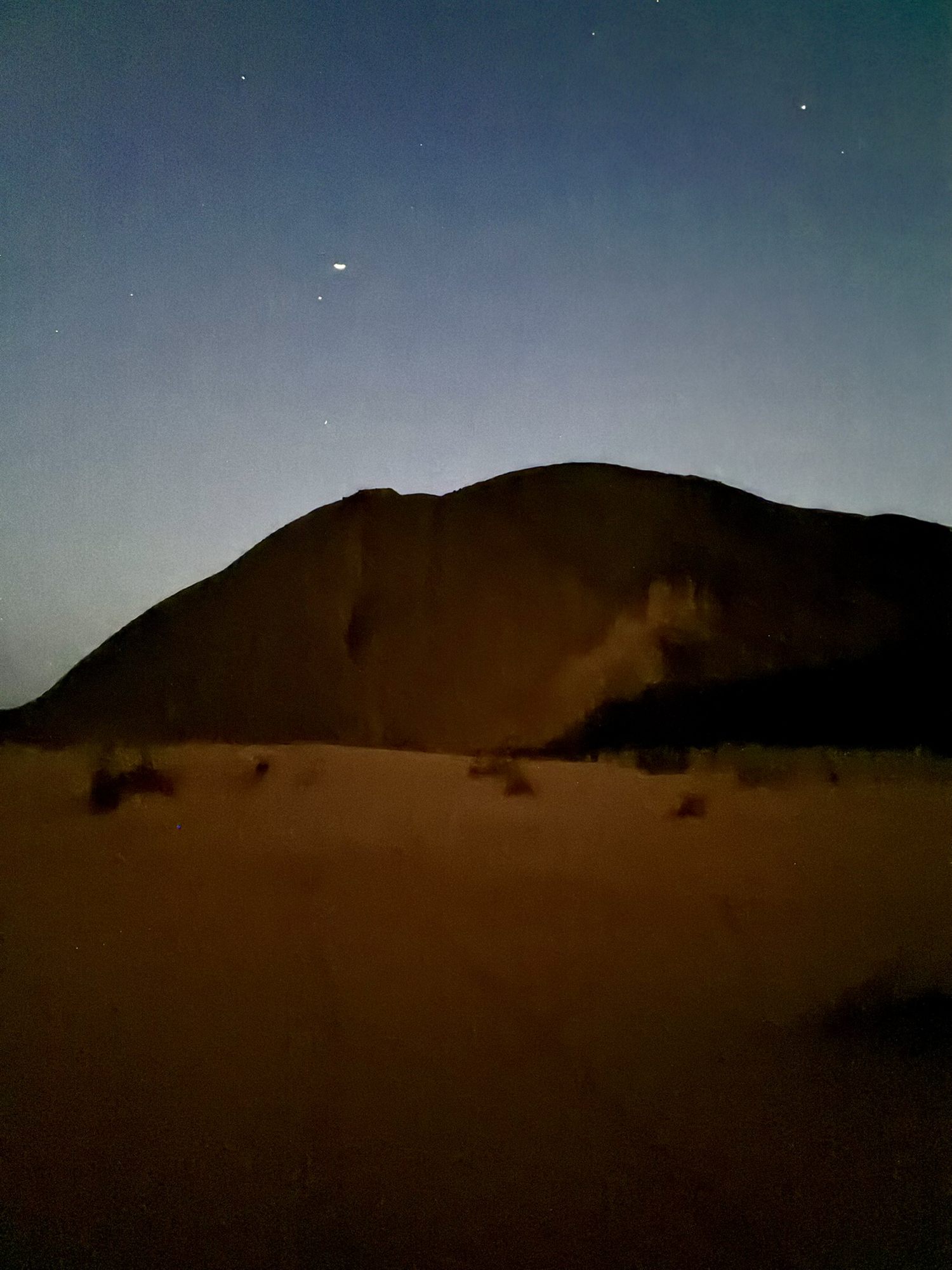
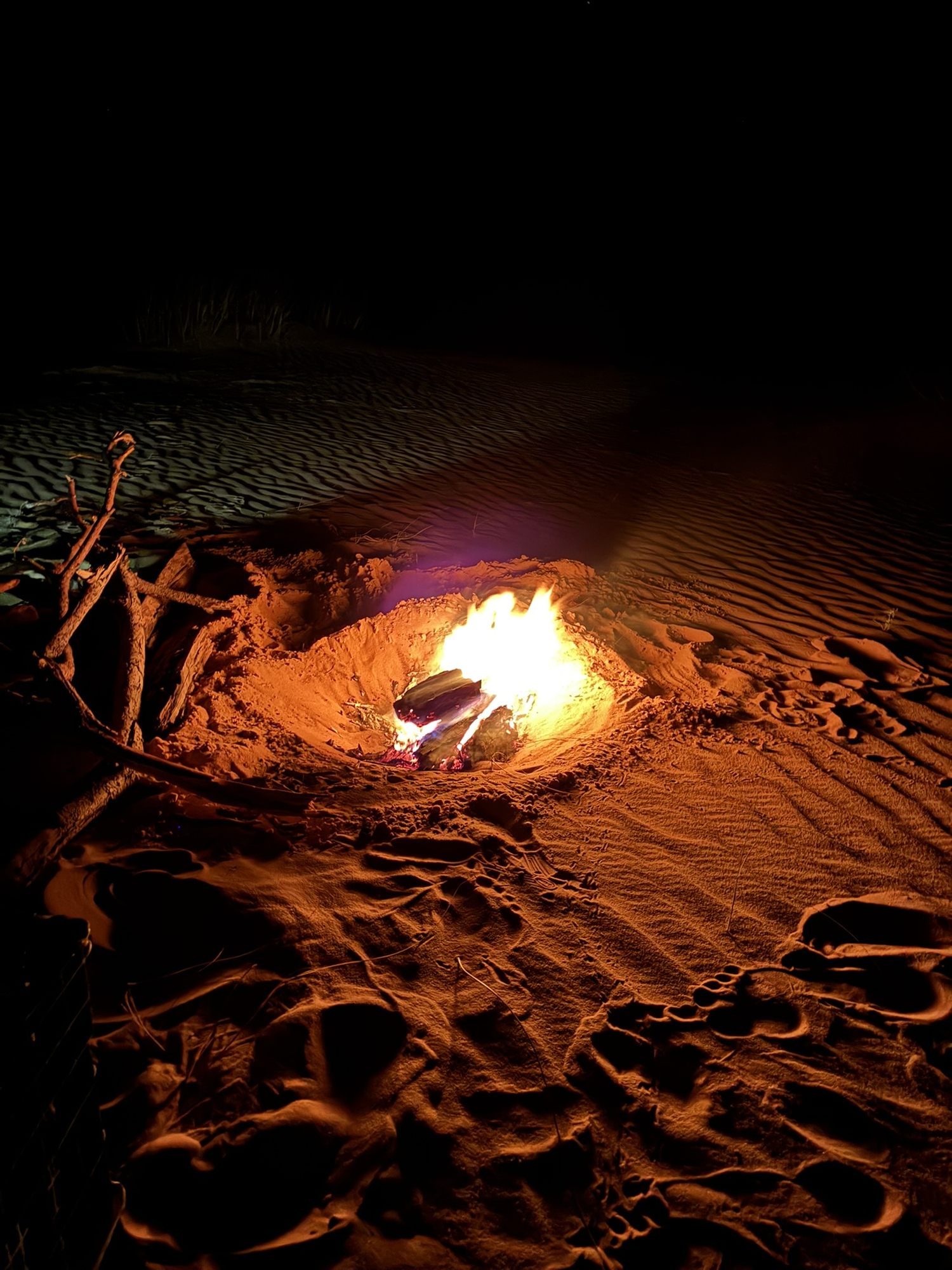
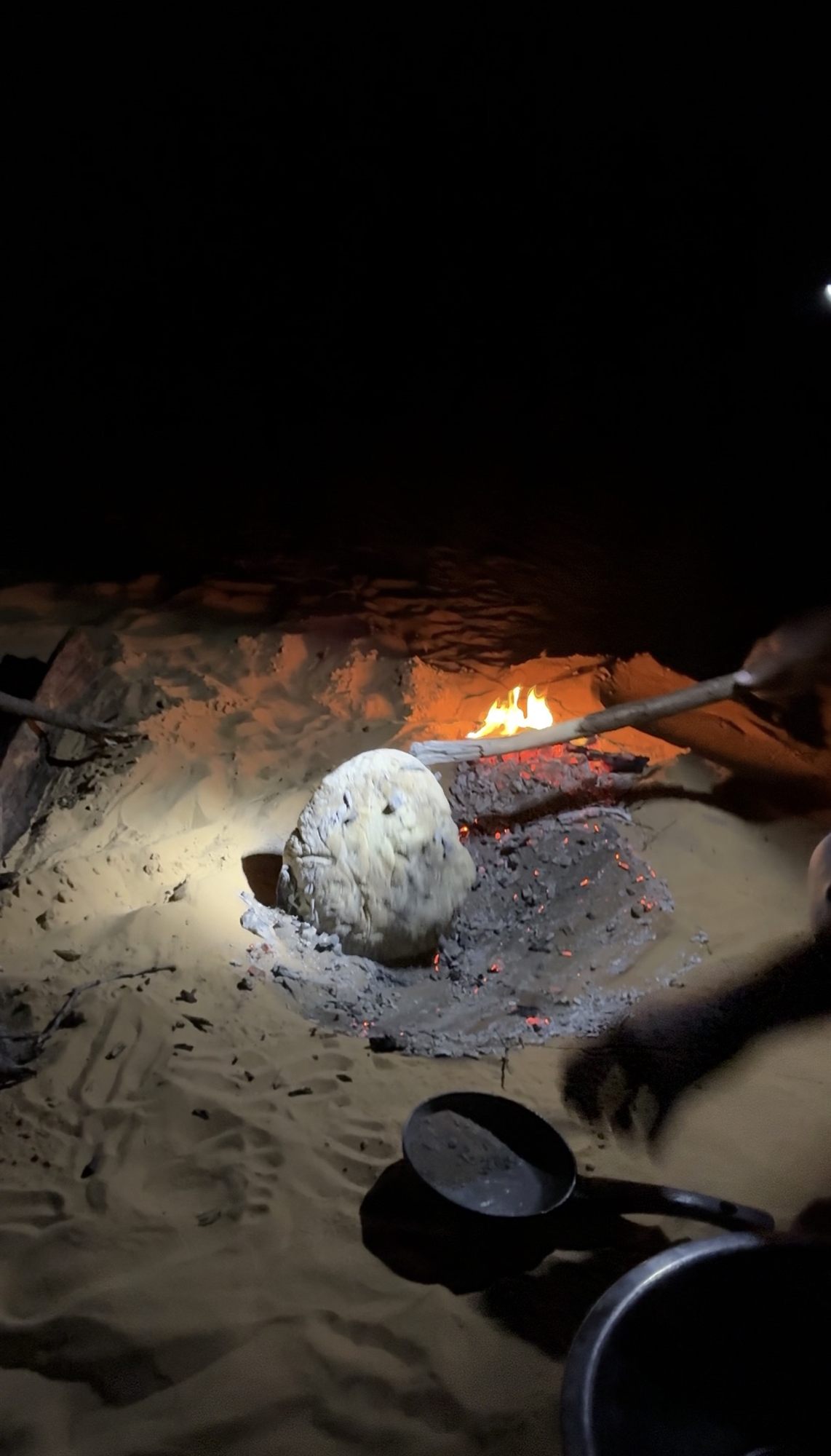
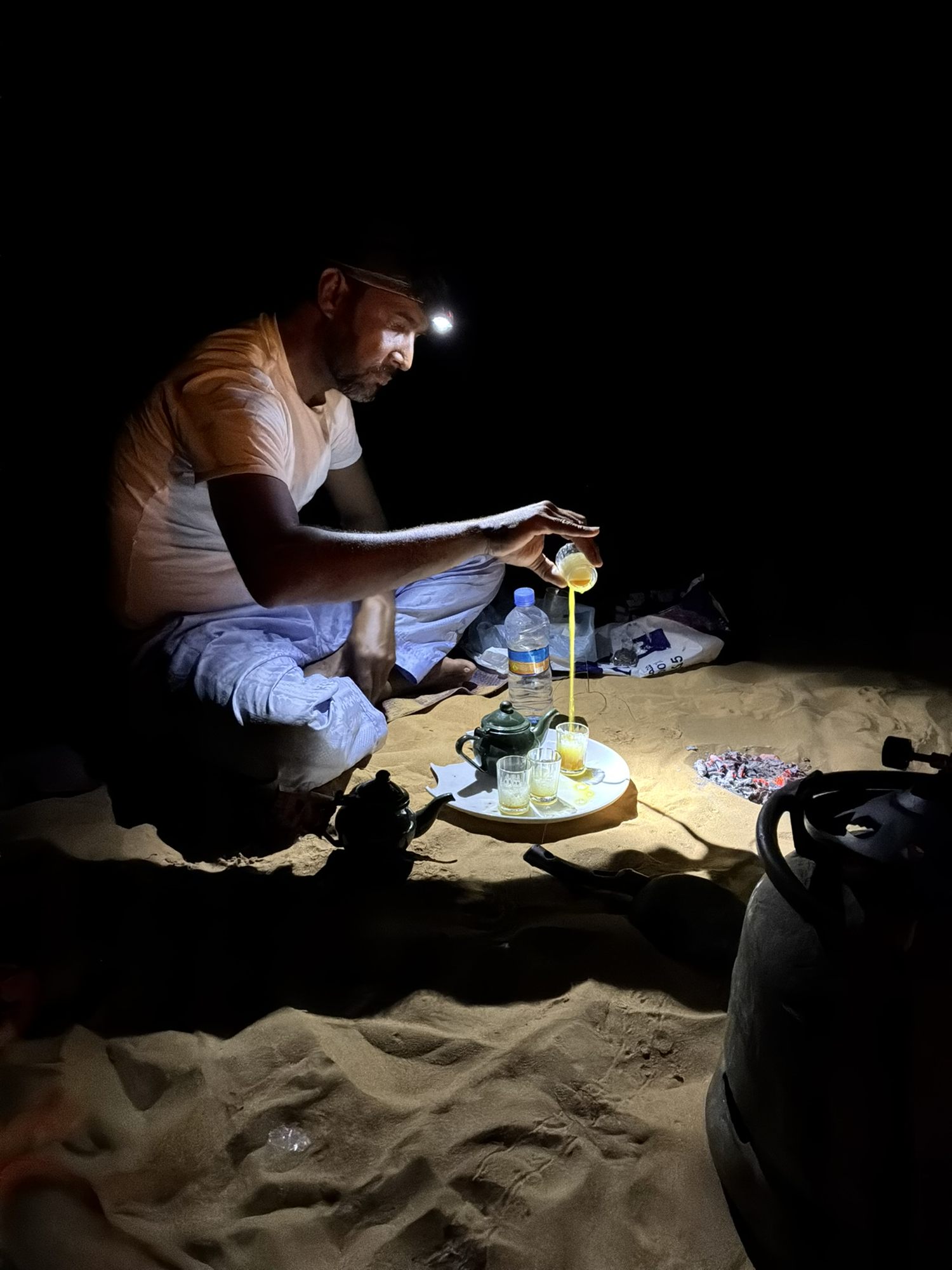
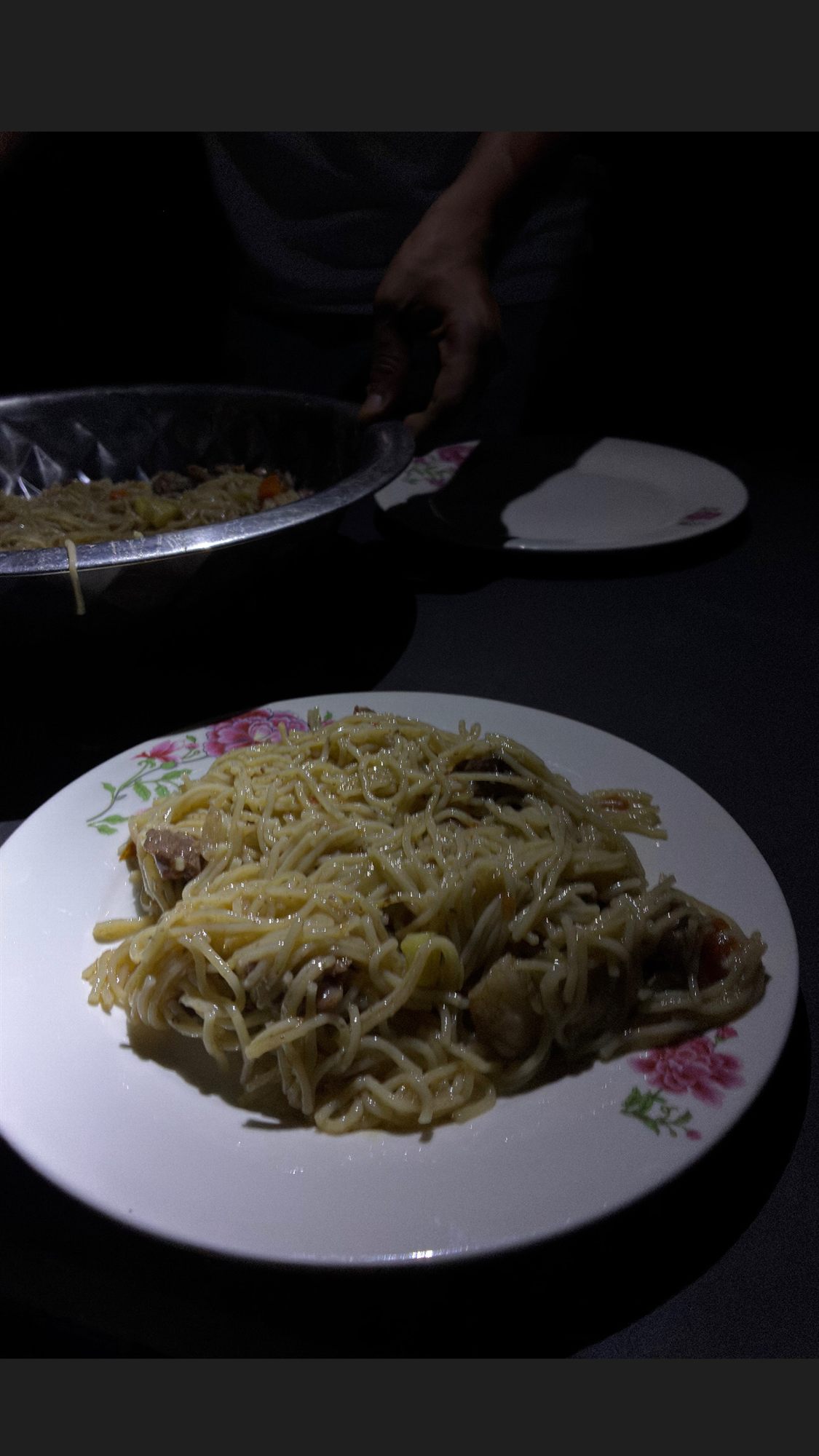
Dinner was ready at about 21.45: spaghetti with camel meat, the fresh bread and Mauritanian tea, eaten in total darkness under an enormous sky of stars, with almost no light pollution.
I slept in my tent. The driver slept on the truck bed, and Sidi Mohamed and the local man on blankets under the open sky. During the night, strong gusts of wind came out of nowhere – the tent felt almost as if it was moving – and then a few minutes later everything went completely still again. It happened several times. Getting up for the toilet in the middle of the night under that sky was something in itself.
8 November – Ben Amera and the wait in Choum
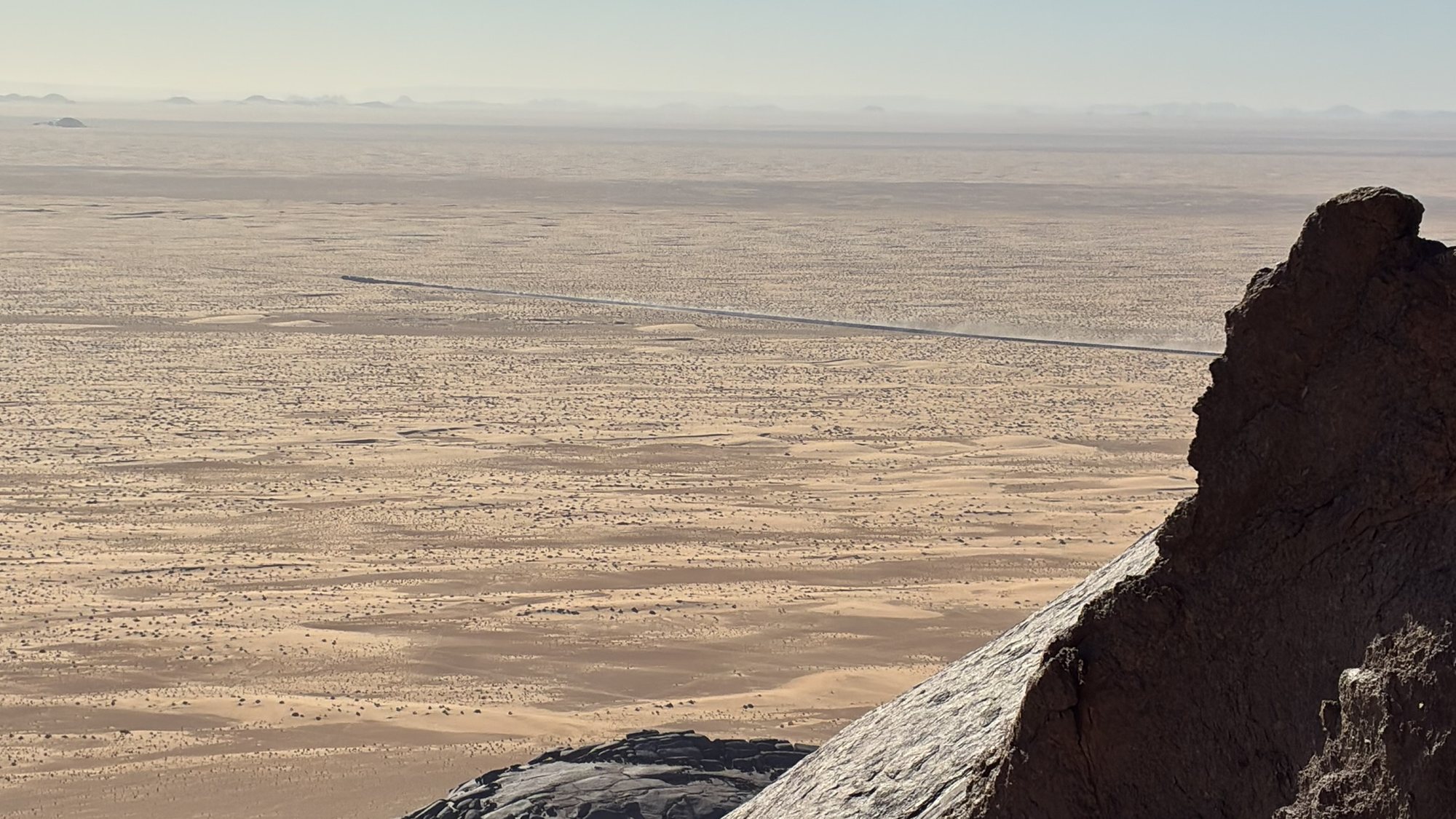
In the morning I climbed Ben Amera with Sidi Mohamed and a local guide: an hour of scrambling from the bottom to the top, a steep slab with nothing to hold on to, and a summit with the Sahara in every direction. From the top we even watched the Iron Ore Train cross the desert below. Trying a different way down was a mistake, and we turned back. The full story – route, terrain and that descent – is in my article on climbing Ben Amera.
After the climb we drove back to Choum, where I checked into the guesthouse used by travellers for the train, to rest and wait. There's no timetable you can rely on. We depended on local information about where the train was, and Sidi Mohamed had contacts who could follow it. The waiting is part of the experience: you don't know exactly when you'll leave, and you have to be ready for plans to change.
The night on the Iron Ore Train
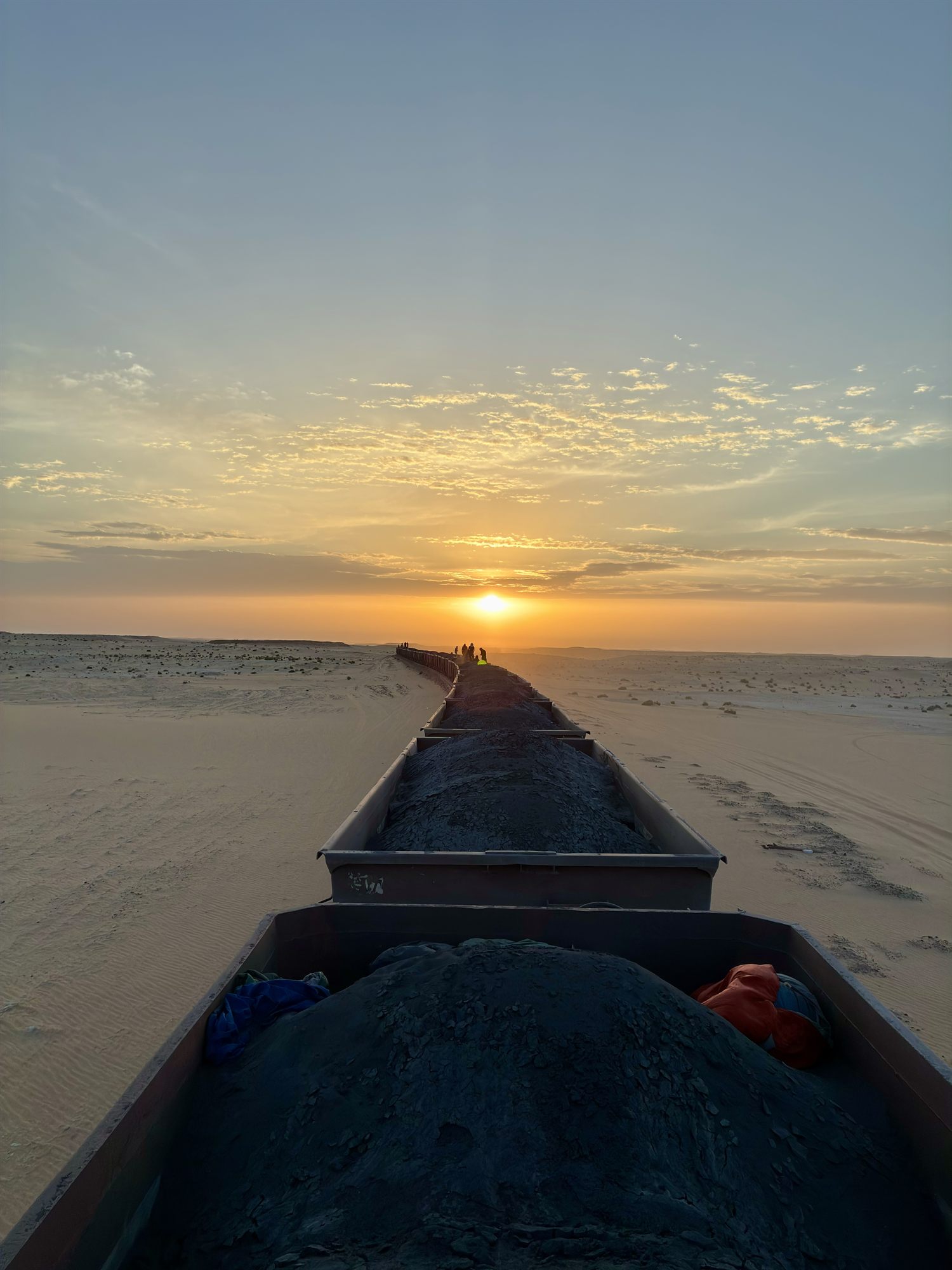
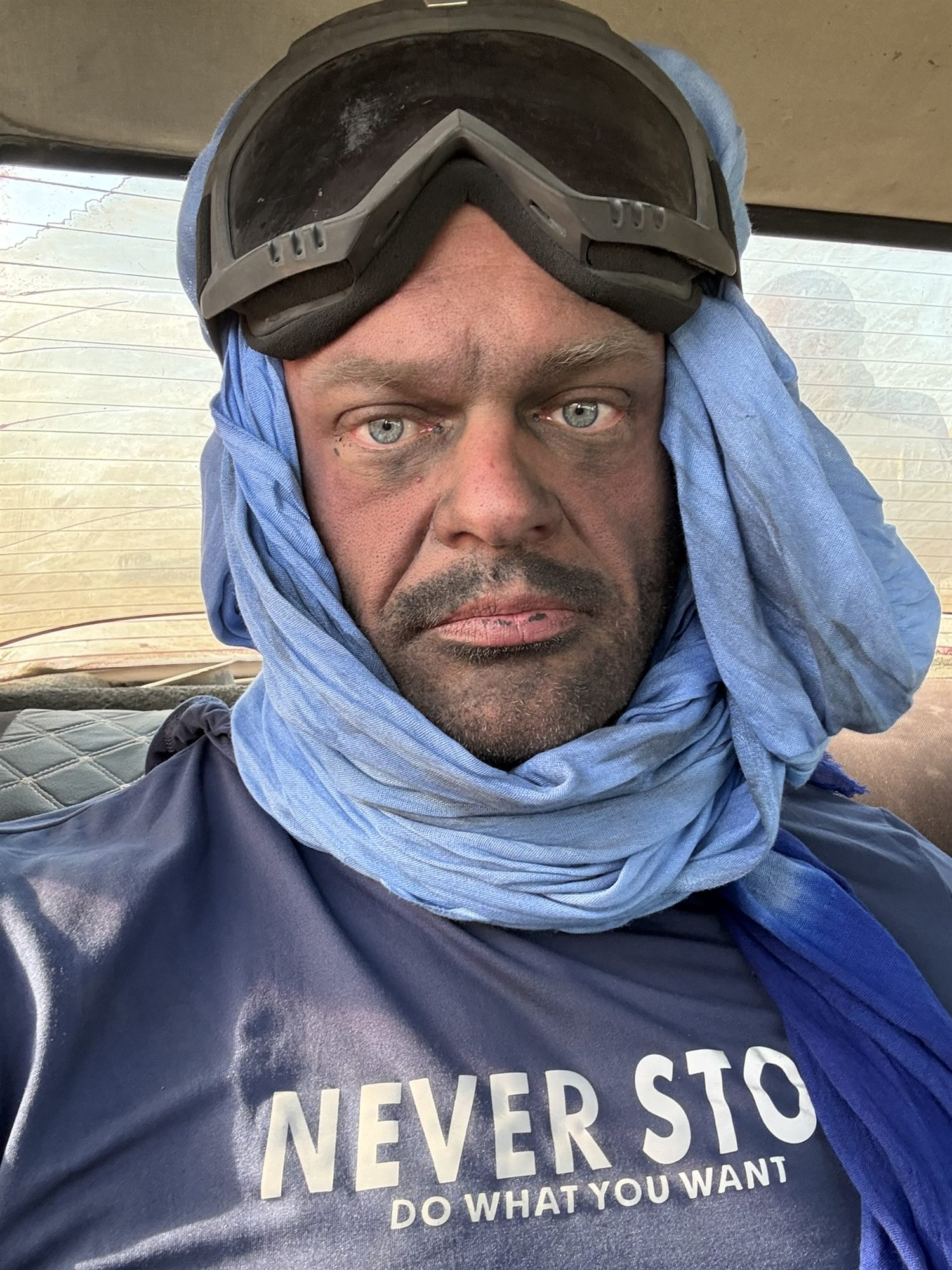
That evening we climbed onto an open wagon full of iron ore and rode through the night across the Sahara: a sky full of stars, the rumble of the wagons, a stop in the dark where I lay completely still, and then sunrise over the desert from the top of the ore. Twelve and a half hours later I climbed down in Nouadhibou, black with dust. It was the best experience of the trip, and I've written about it in detail in riding the Iron Ore Train.
9 November – Nouadhibou
I reached the Free Zone Hotel at around 09.53, covered in iron ore dust, and showered twice to get it all off.
Best Gym – an unexpected armwrestling match
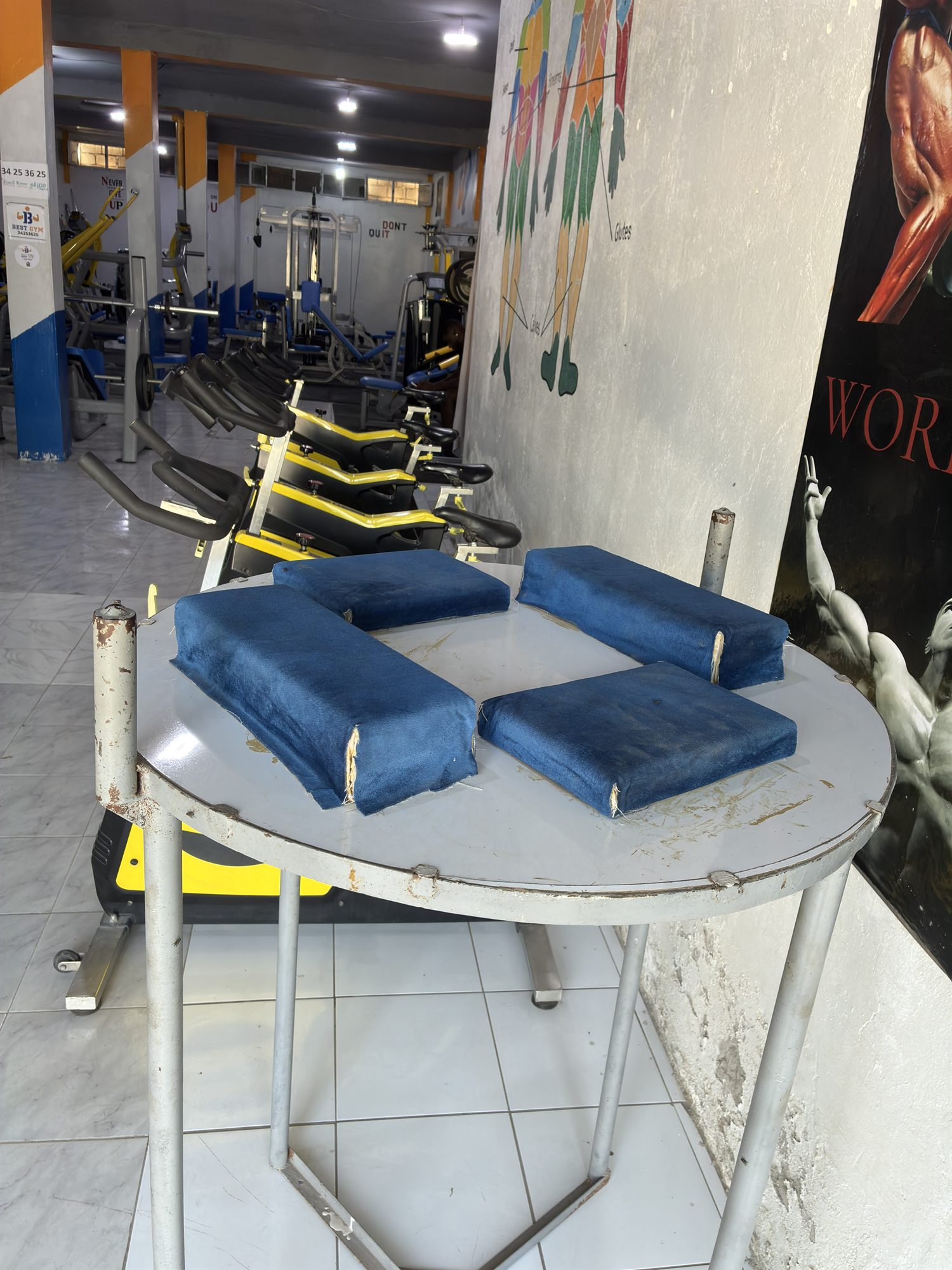
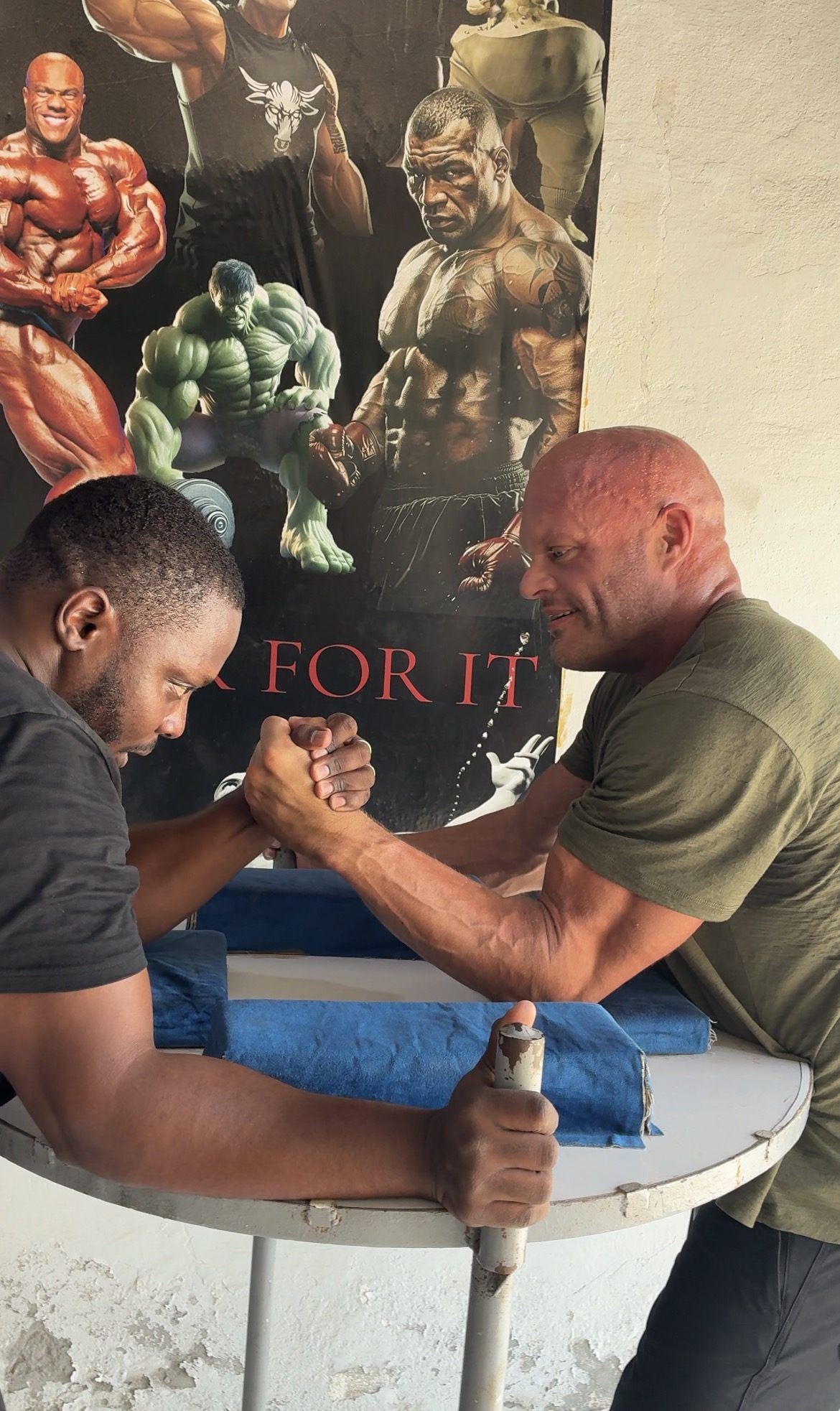
A few hundred metres from the hotel I found a gym called Best Gym – and inside, a homemade armwrestling table. I've armwrestled at competitions in a lot of places, so I had to take a closer look. I came back at around 15.00, bought a single session and trained. Then I asked the owner if he fancied a go on his table. He said yes, and we had a really fun round of armwrestling. Sometimes the best moments on a trip are the ones you stumble into.
At around 20.00 I met Sidi Mohamed again for dinner.
10 November – A disappointing city tour, and the long drive south
Nouadhibou sits on a peninsula on the Atlantic coast, near the border with Western Sahara. It's Mauritania's second city, built around fishing and the port where the iron ore is shipped out.
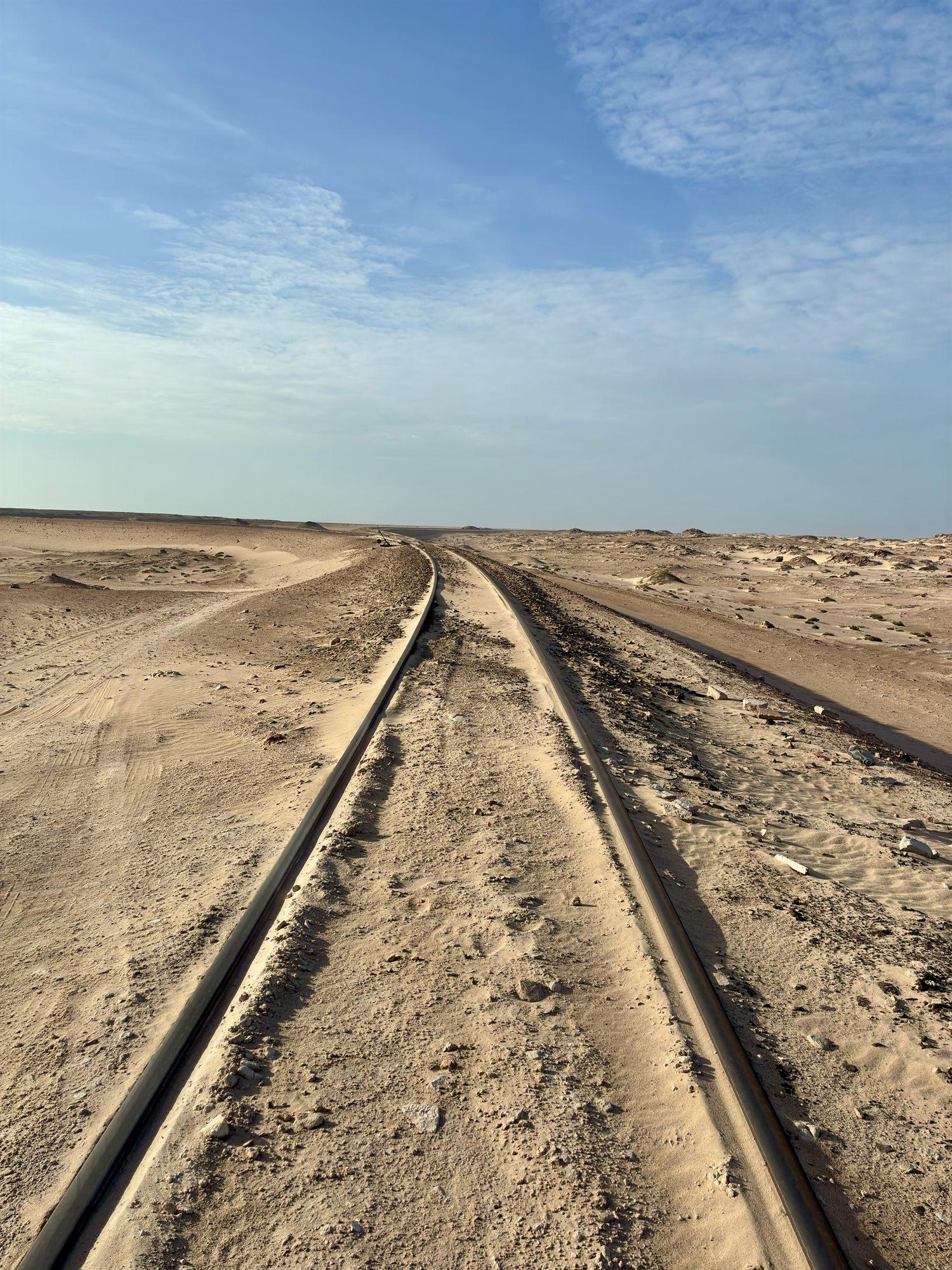
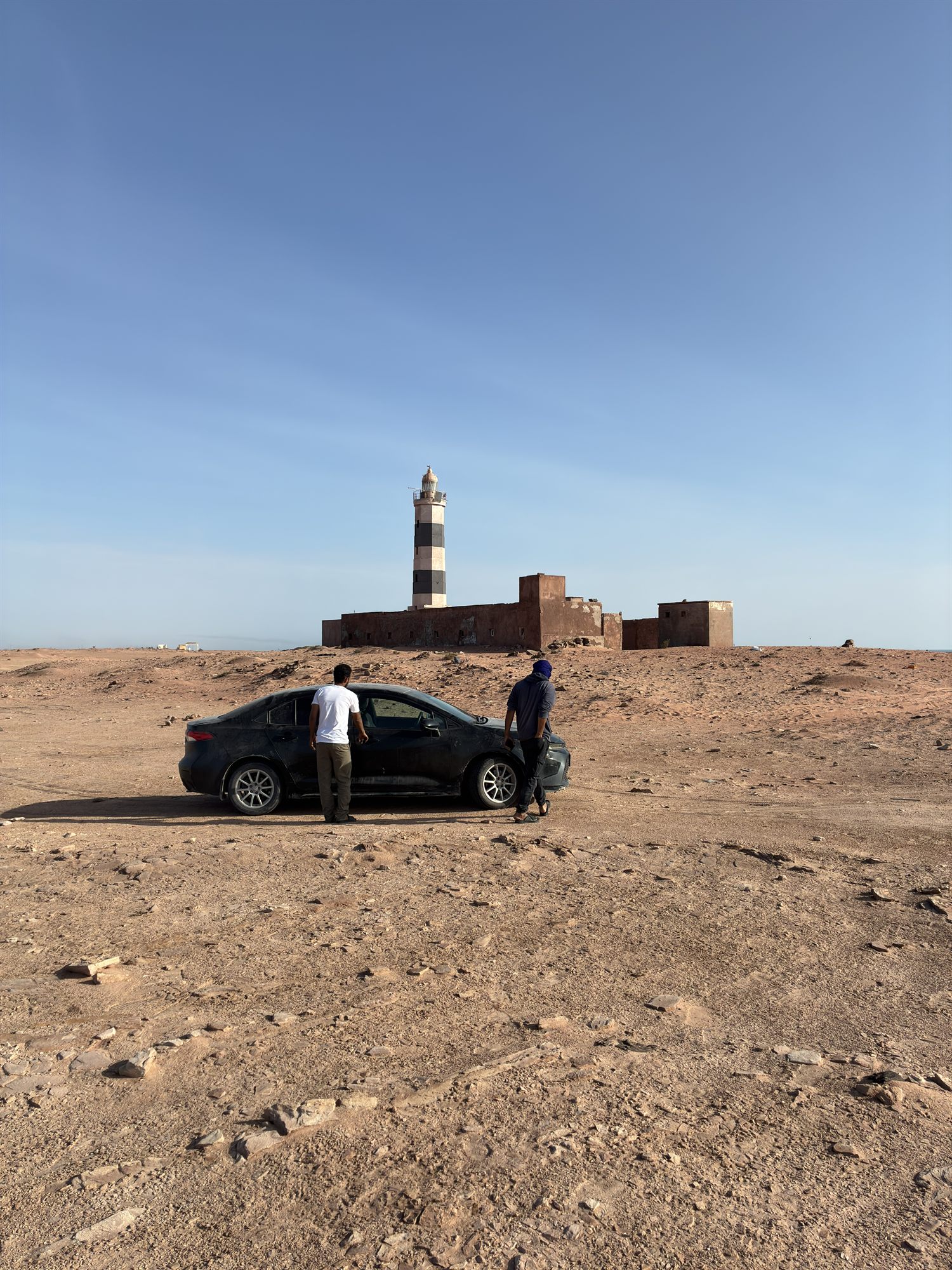
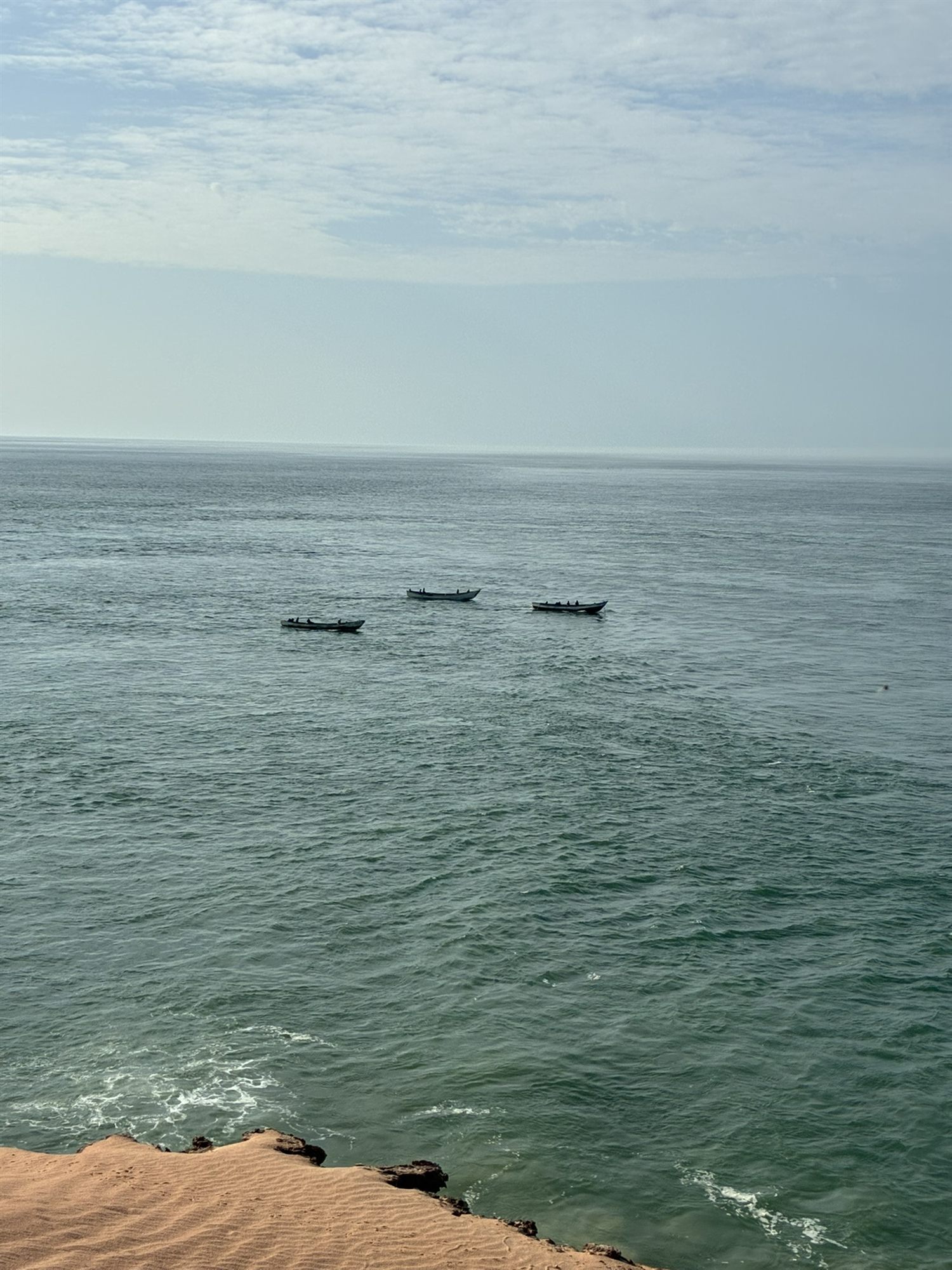
At 08.00 I was picked up for a city tour. We drove south through the city, stopped where the railway ends, and went on to the coast, parking near a lighthouse and an area with stalls. From there we watched the fishing boats head out. We'd hoped to see monk seals, but there were none – if you're lucky, you'd probably only see them from very far away.
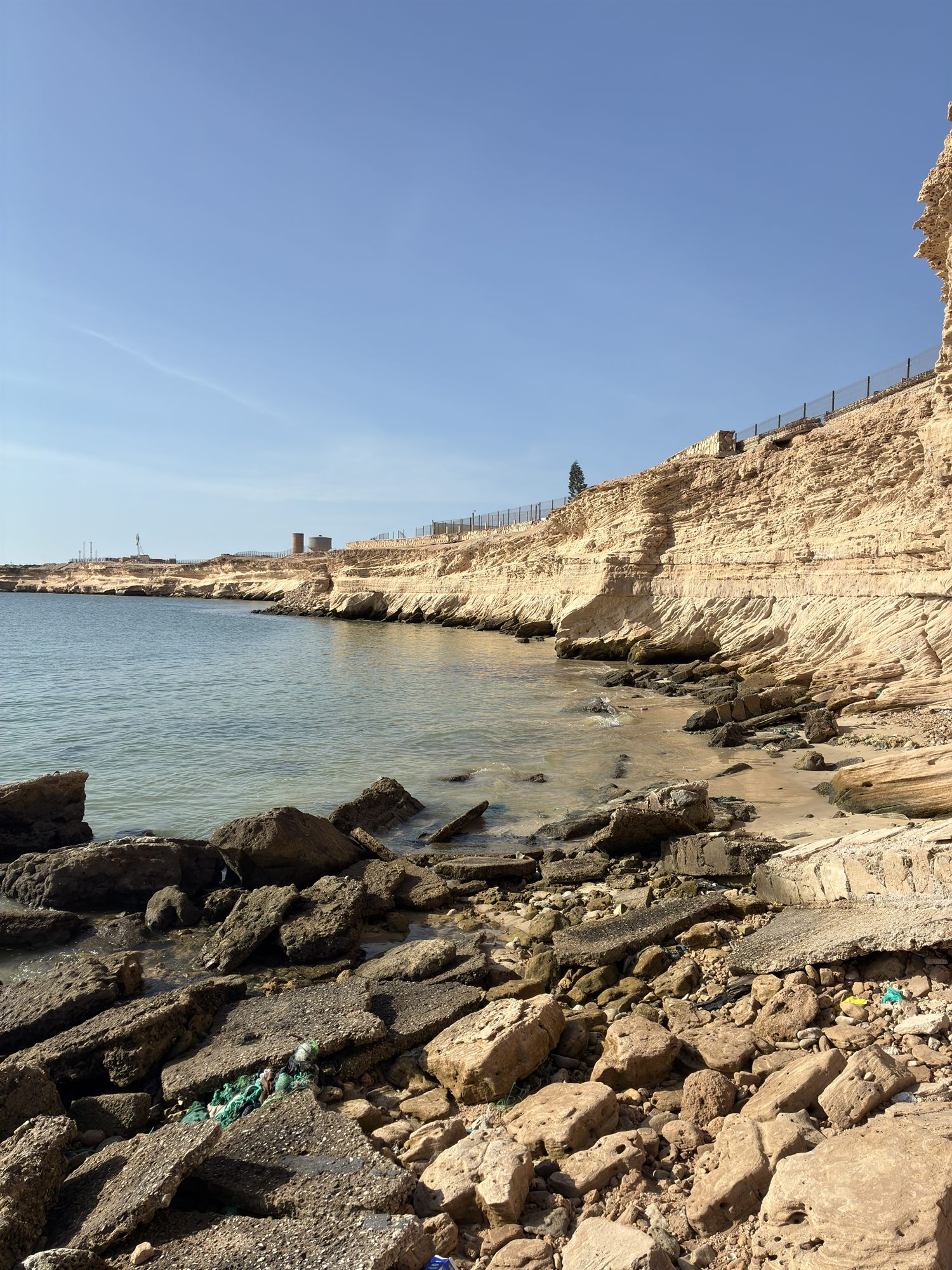
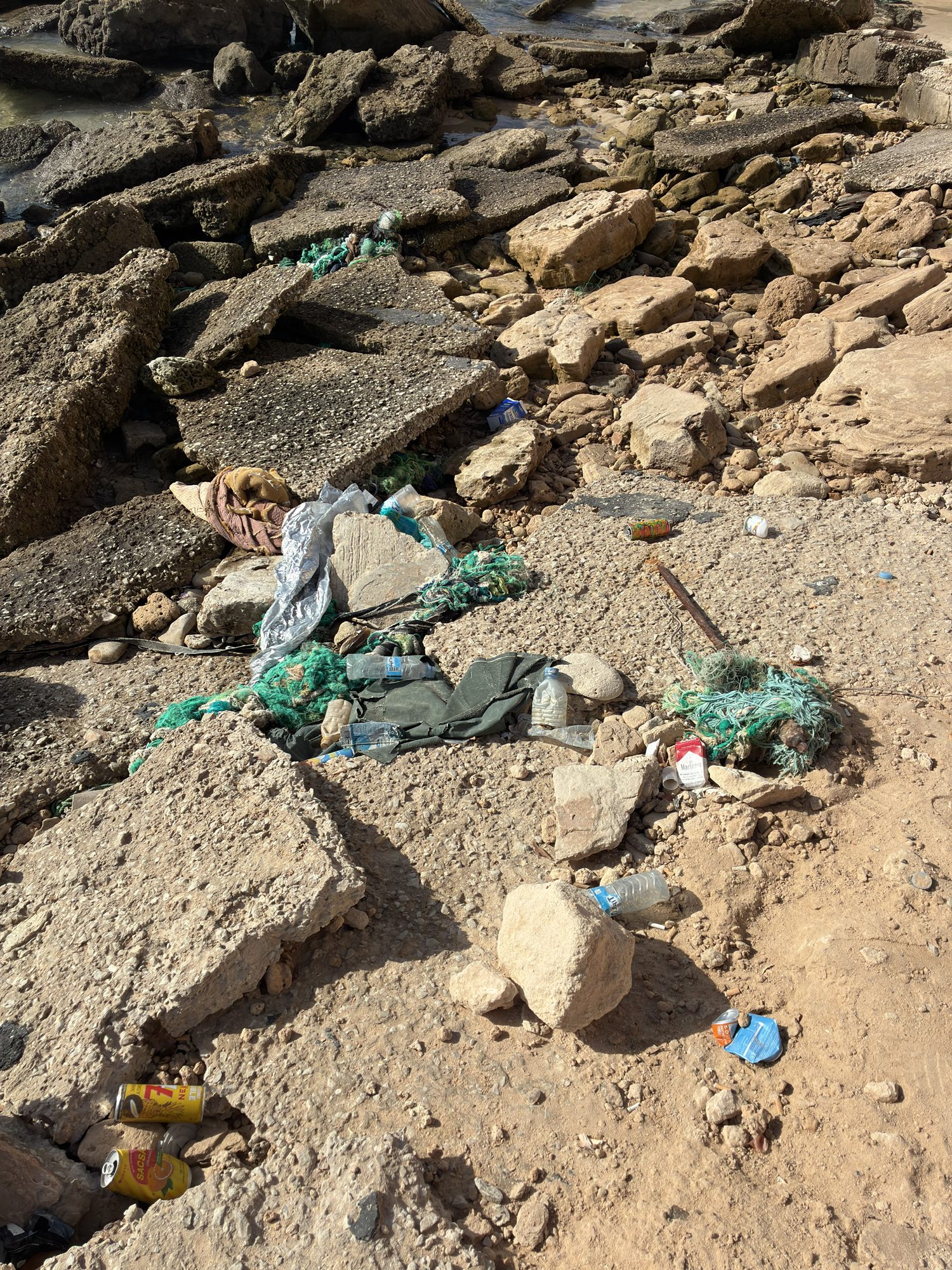
At about 09.24 we visited a bird area, but there were almost no birds – it was very dry. We saw some of the white chalk cliffs, but many of the places that could have been interesting were covered in litter.
What's left of the ship graveyard
Nouadhibou was once famous for its ship graveyard. For years, old ships were simply abandoned in the bay – leaving them was cheaper than breaking them up – and by 2011 there were reported to be around 300 wrecks. That year, an EU-funded salvage project began removing many of them. A few wrecks are still there.
The fishing port
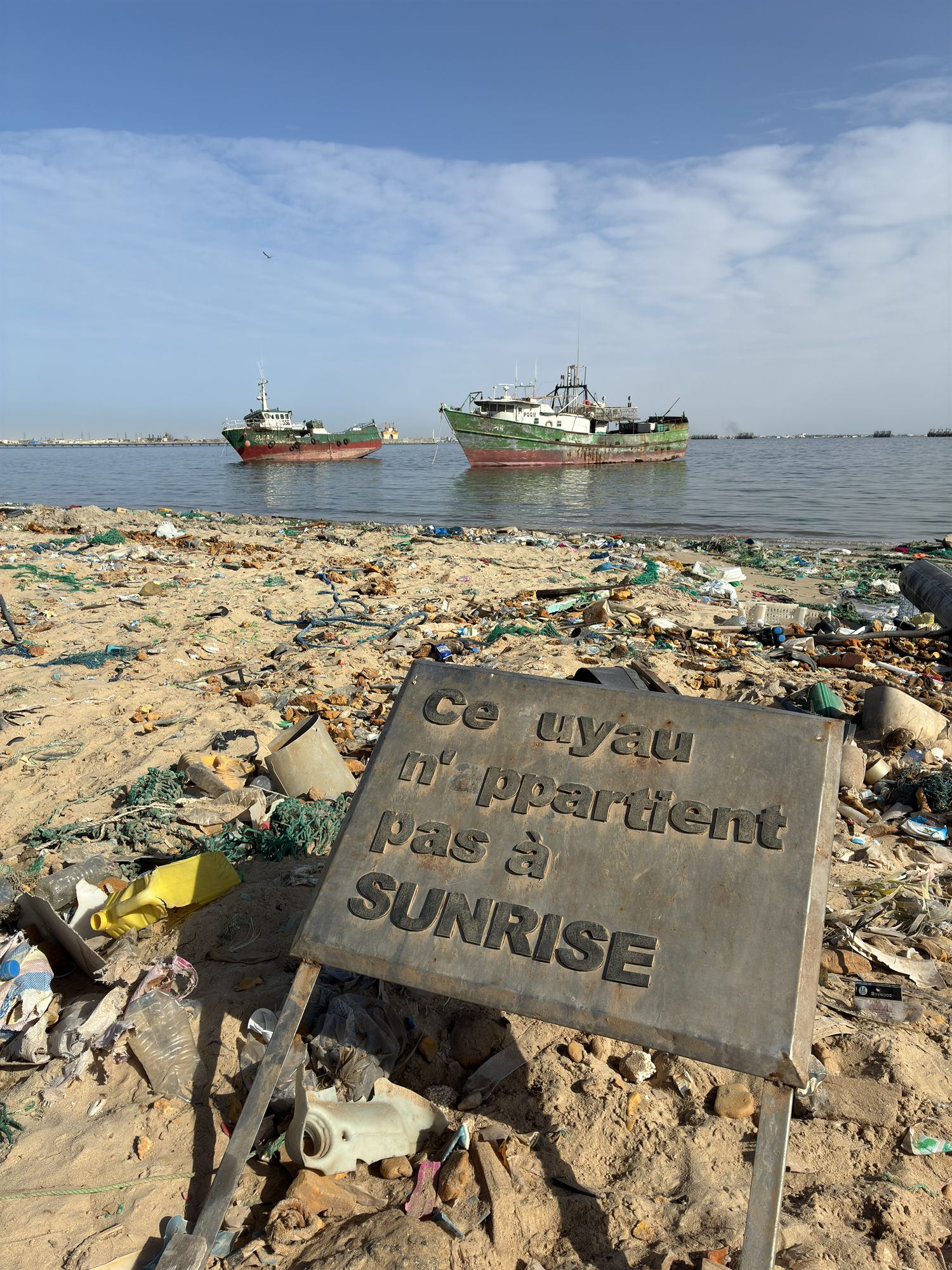
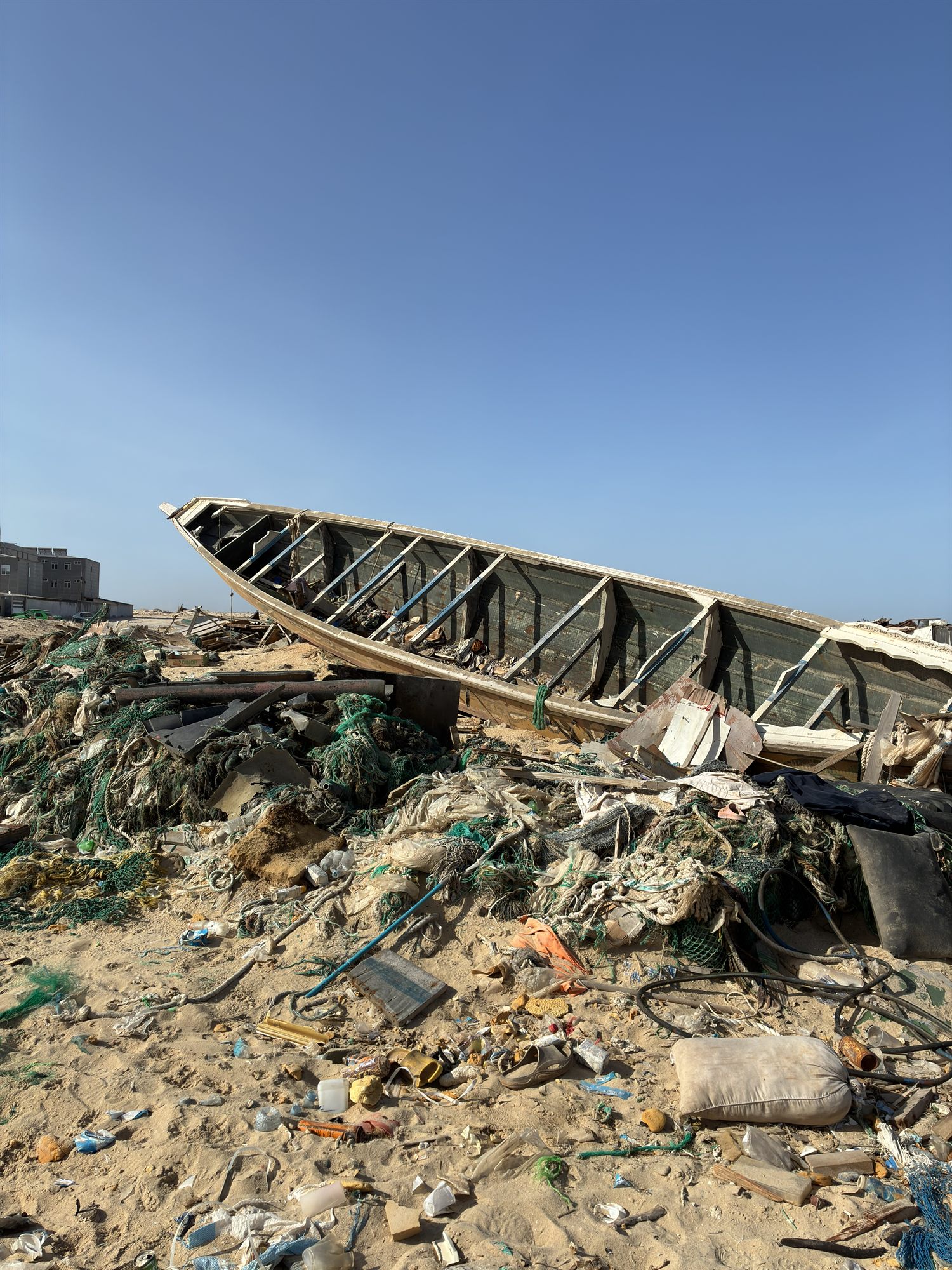
We also drove down to the port. It isn't a place where tourists are welcome. We were told not to film, and that it could have serious consequences if the police saw it. Sidi Mohamed explained that the authorities and the locals don't want the very dirty conditions in the port shown – some of the fish is exported, and nobody is interested in the outside world seeing them. We spent about five minutes looking at the area and the boats. It was a strange feeling: on the one hand they want to show tourists the city, and on the other there are places they'd rather you didn't see. Near a factory building and a patch of litter, we found some pelicans.
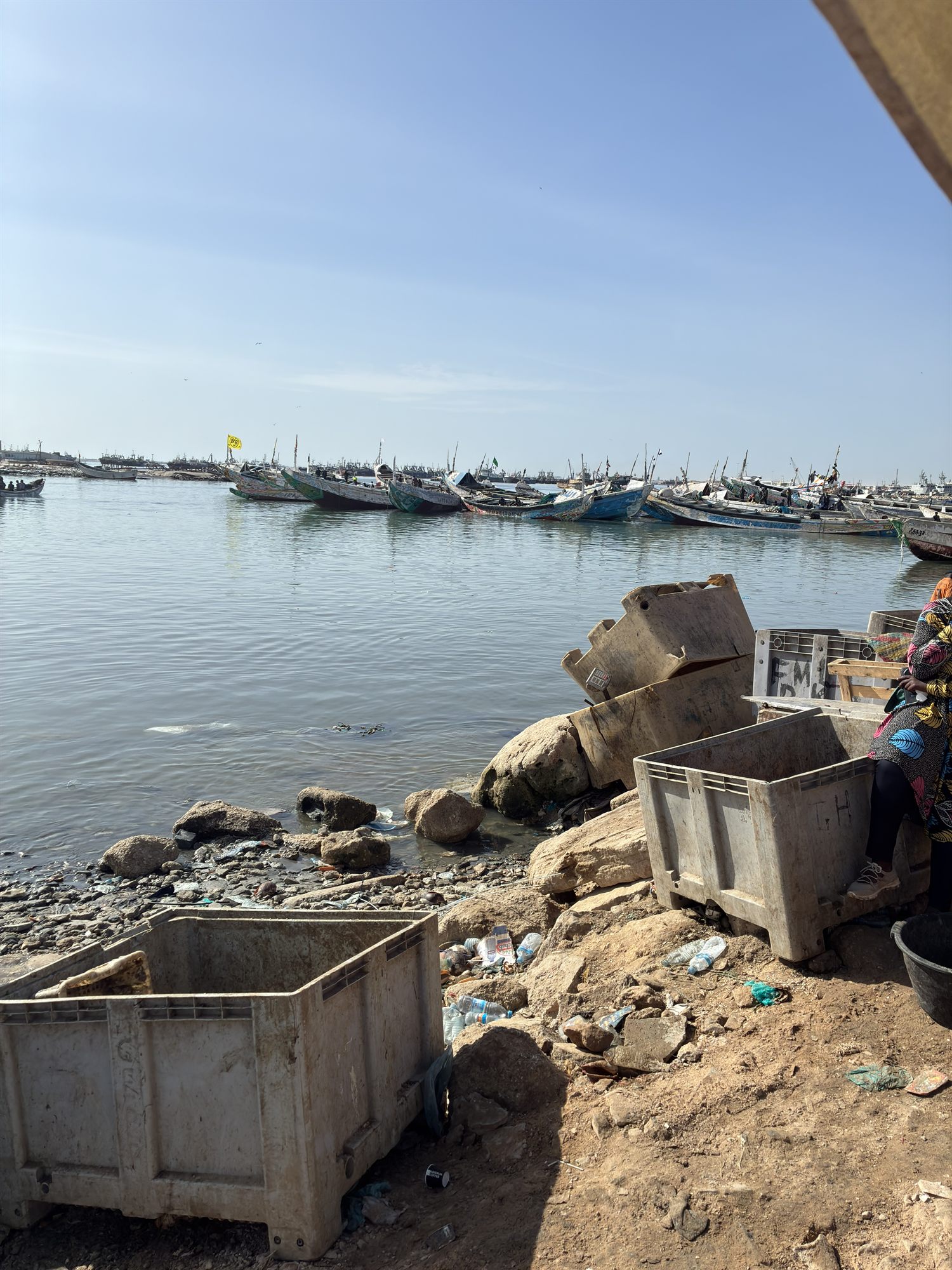
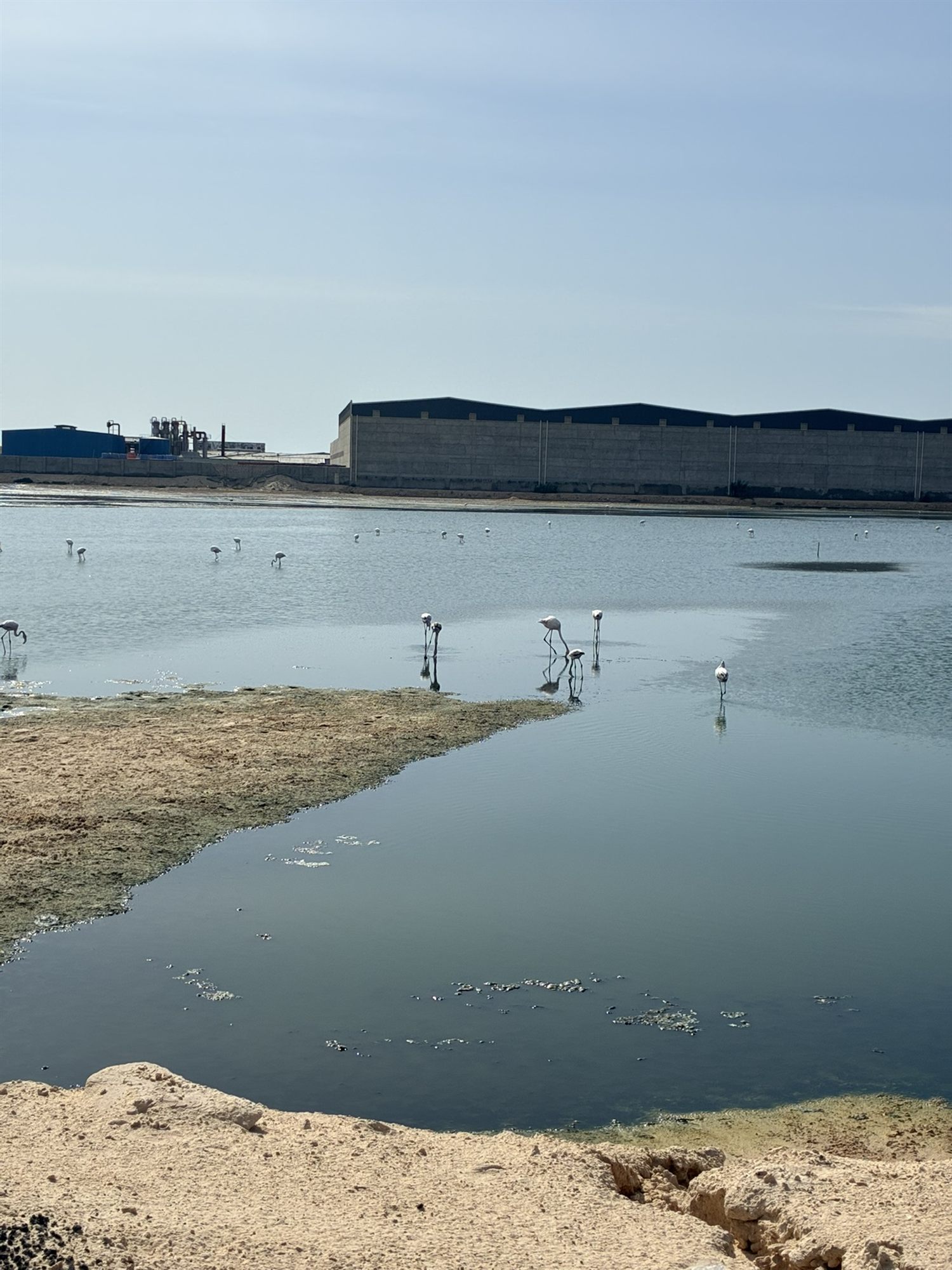
The tour took about 2.5 hours, and we were done at around 10.30. My honest verdict: it was quite disappointing. There are interesting things to see, but many of the places were covered in litter, and several of the planned stops didn't really deliver. At times it felt like driving around a big rubbish tip. Afterwards I found a small café and had an omelette as a second breakfast.
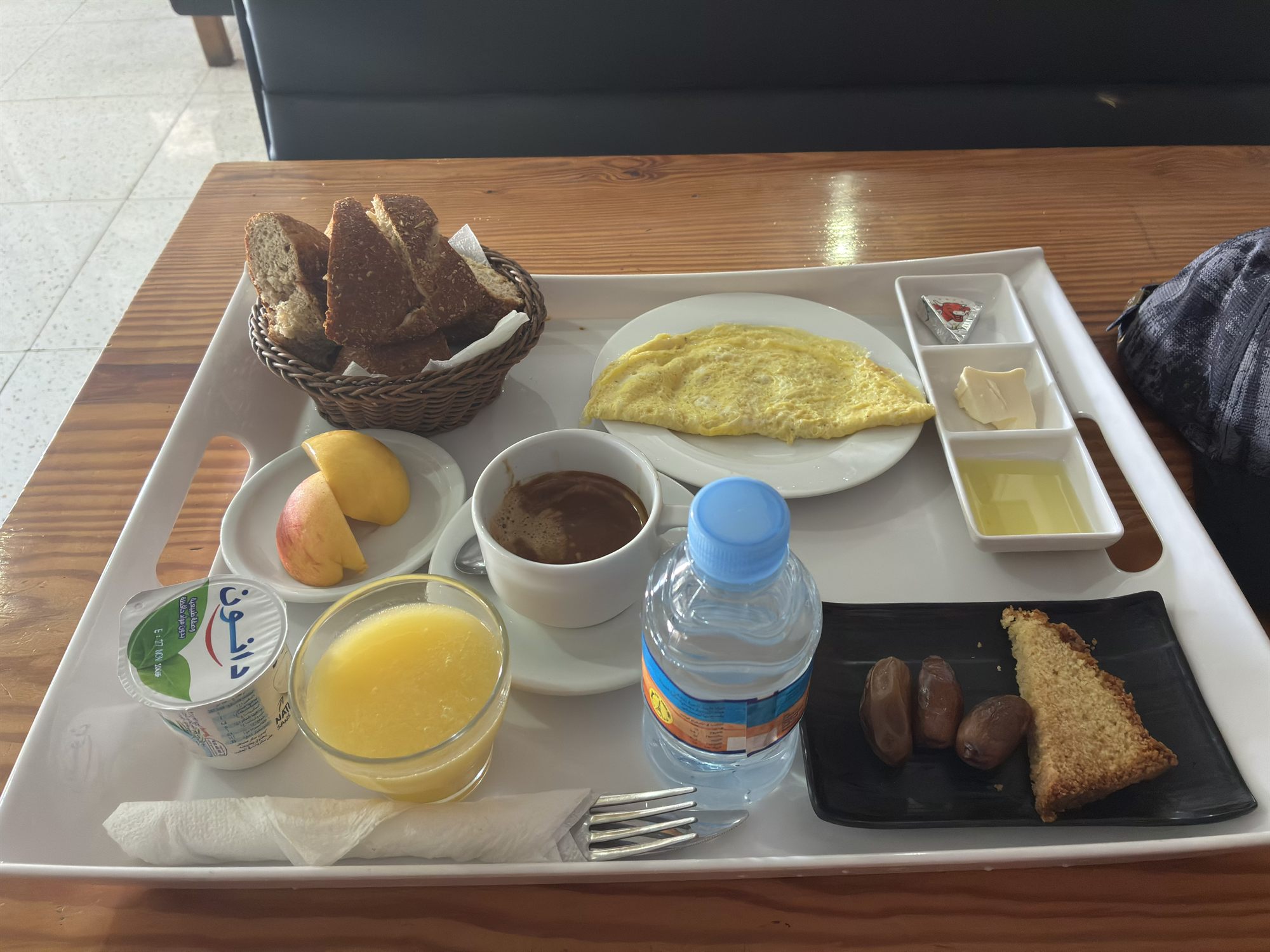
Six hours back to Nouakchott
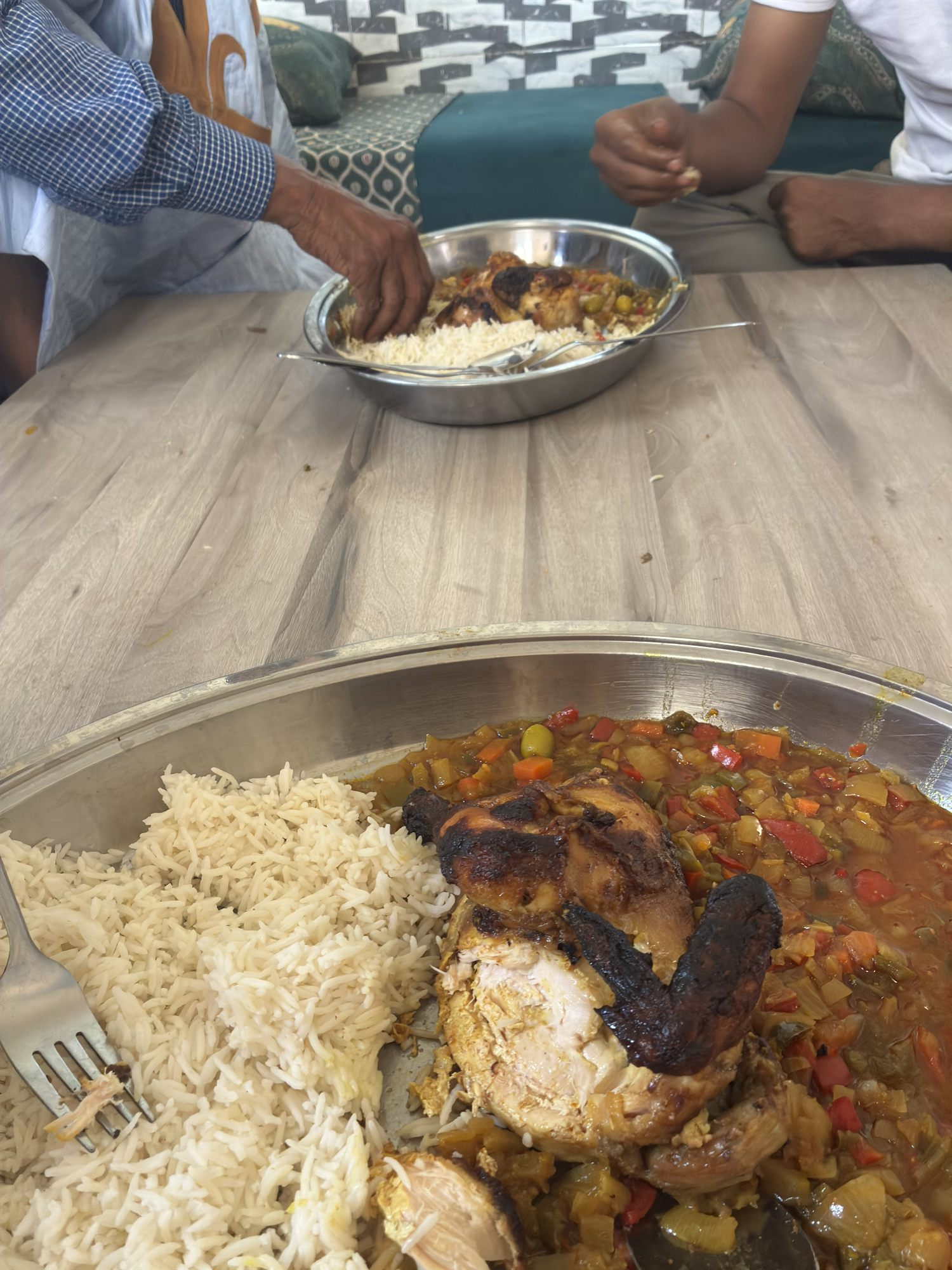
At 12.00 we set off on the roughly six-hour drive back to Nouakchott. At about 15.00 we stopped for local food, served the way people eat together here: sitting on the floor around shared dishes. The locals ate with their fingers; I was given a spoon.
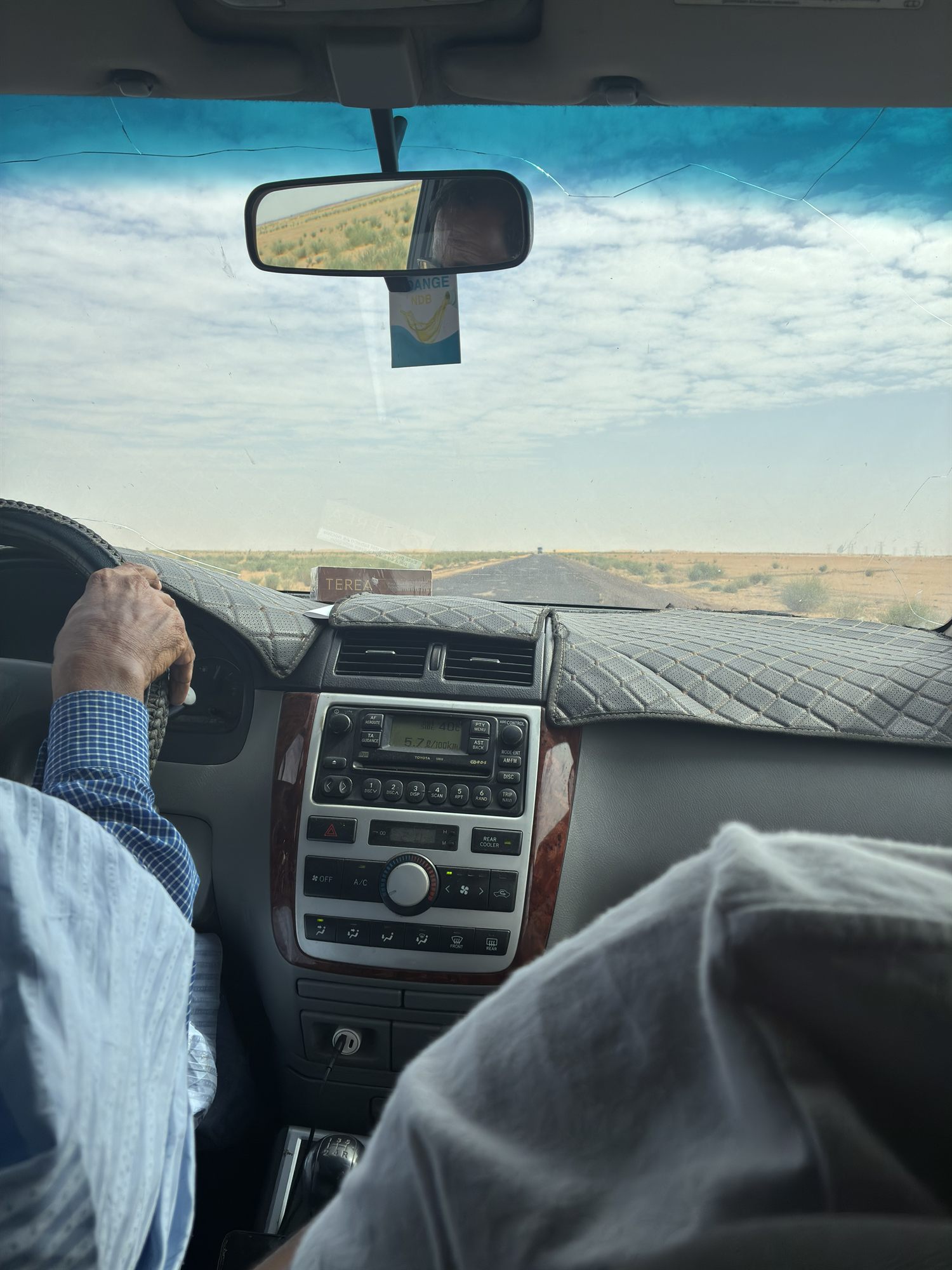
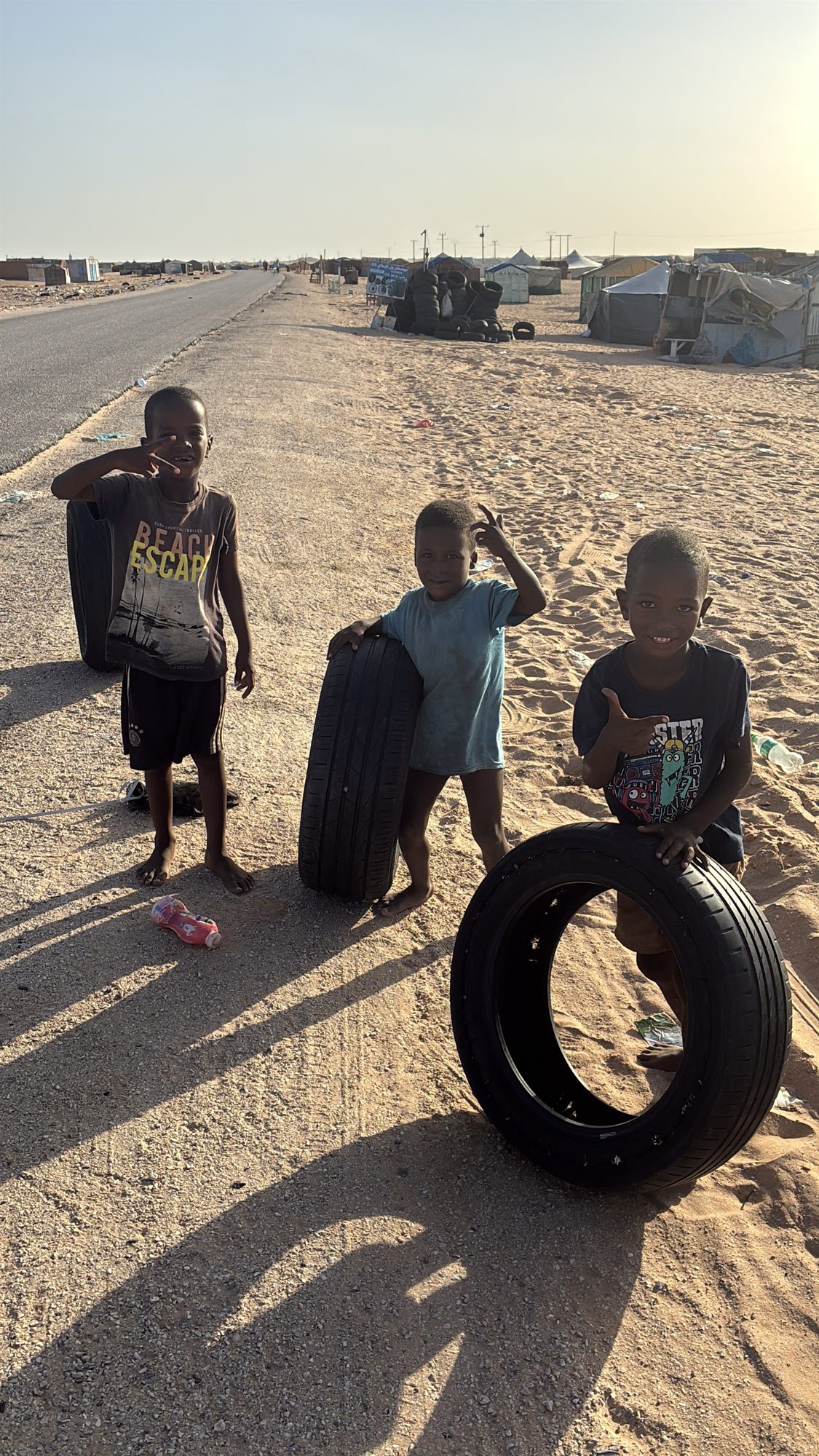
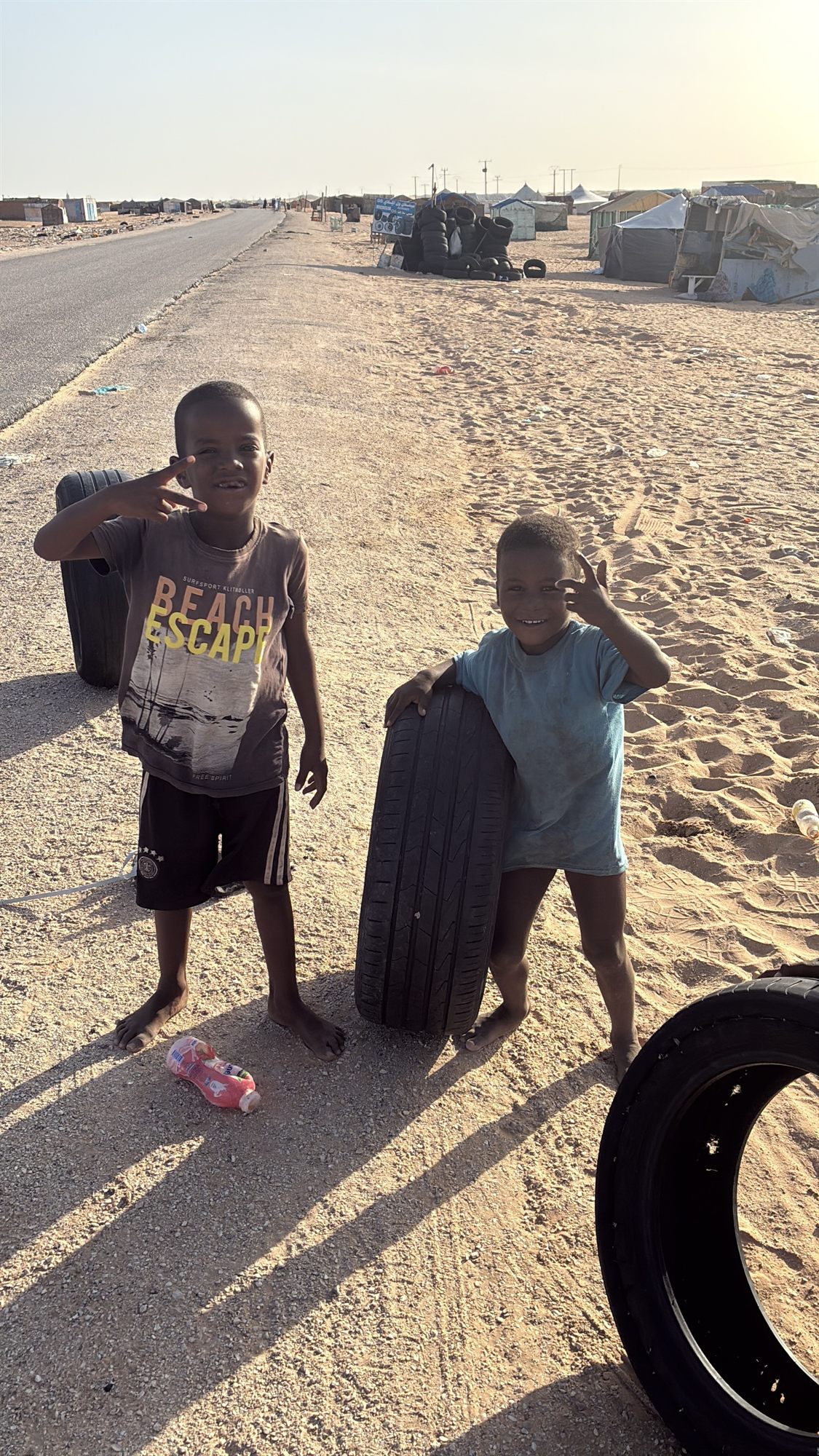
At around 17.00 we drove through a small village where boys were running around playing with old tyres. People were selling sun-dried fish and fish oil by the roadside. Sidi Mohamed told me that selling dried fish and fish oil has become an important livelihood there, partly since the road was built. The boys were very curious about us and came over to show off their tyres. A small, nice moment on a long drive.
We reached Nouakchott just before 19.00, and I checked into the Mauri Center Hotel again.
A last dinner – camel, Mauritanian style
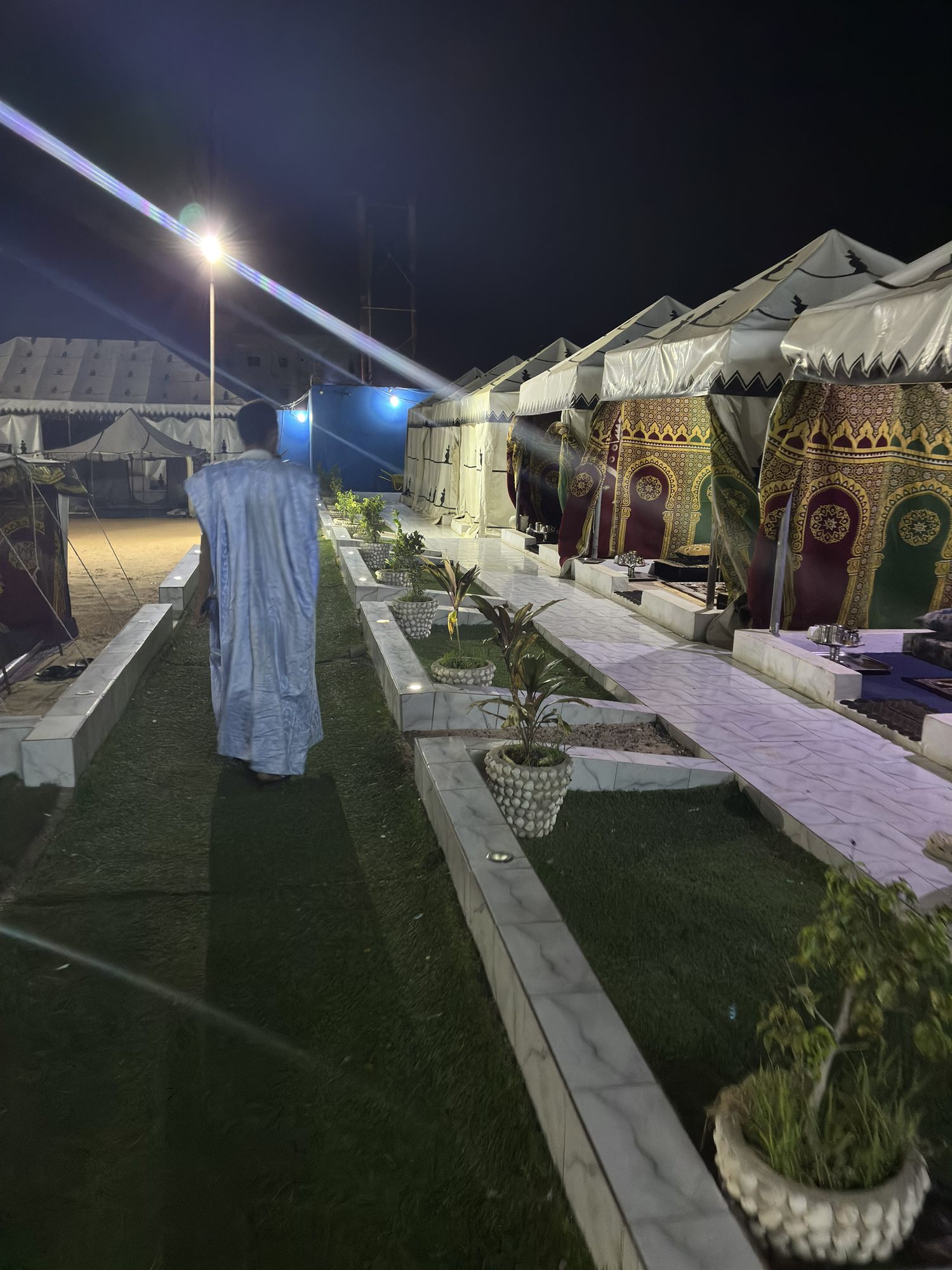
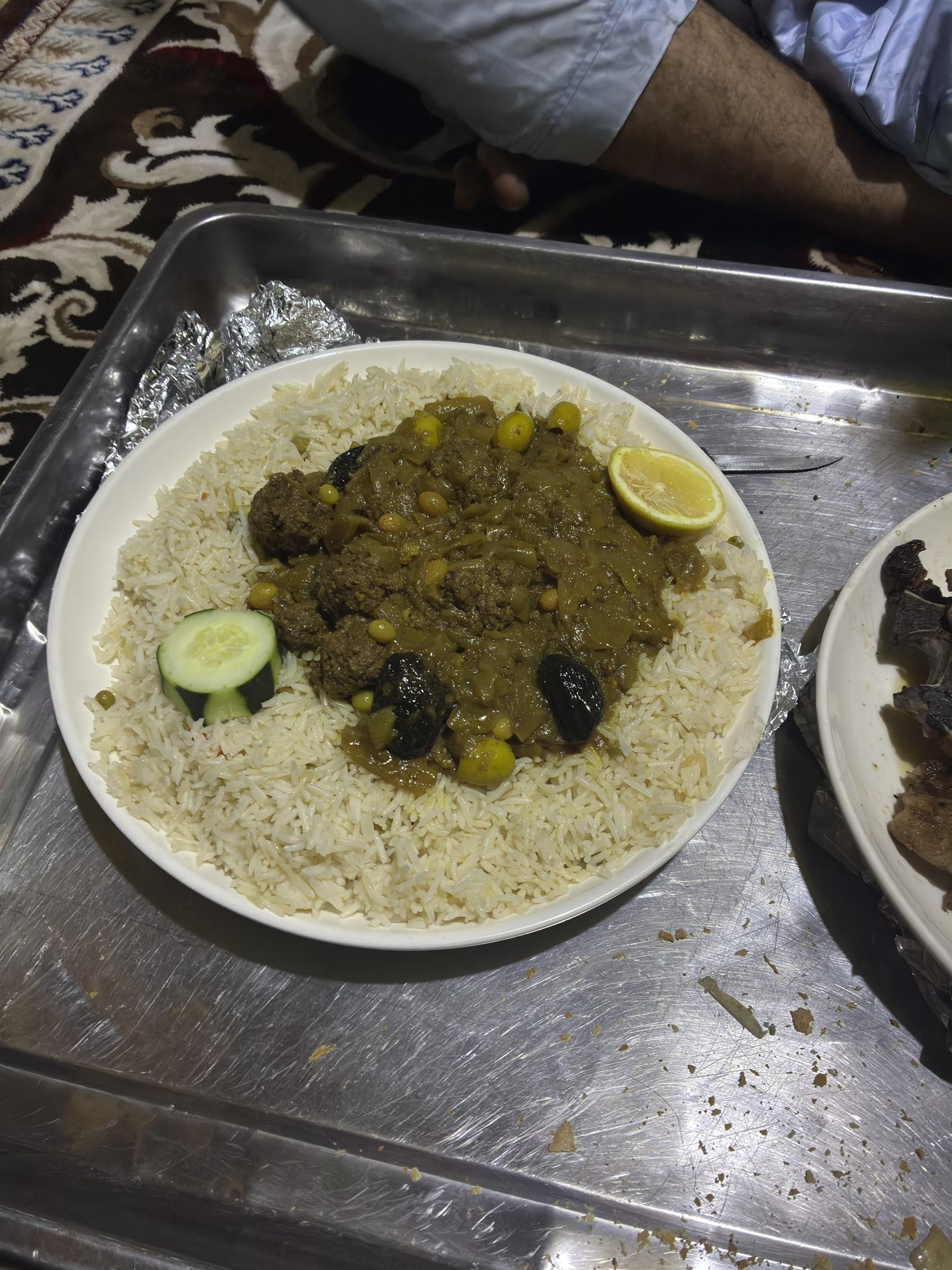
At around 20.00 Sidi Mohamed picked me up, dressed in traditional Mauritanian clothes, and we went to a local restaurant specialising in camel. First came camel meat, cut and tucked into bread with fat from the camel's hump; then rice and another dish, a bit like a beef stew. We sat on the floor and ate the Mauritanian way. A really good end to my time in the country.
11 November – Home via a free night in Istanbul
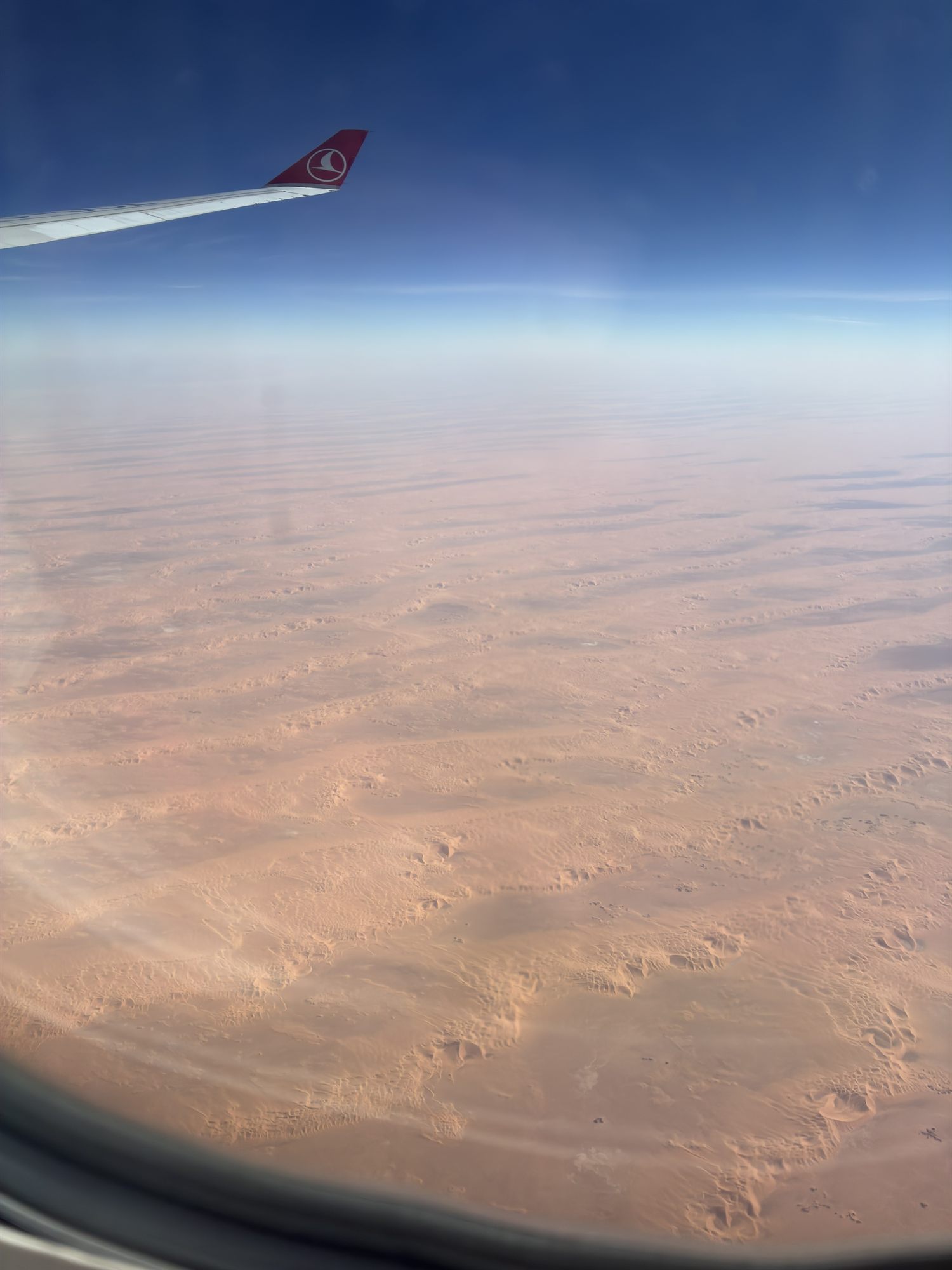
The next morning I flew from Nouakchott towards Istanbul. Out of the window, the desert stretched as far as I could see – a fitting last look at the trip.
My layover in Istanbul was 12 hours and 10 minutes. Turkish Airlines offers a free hotel to some transit passengers on long connections, so I went to their hotel desk in the arrivals area and got a room arranged. A shuttle bus took me to a very nice hotel with a buffet included, and instead of spending the whole night in the airport, I ate properly and slept. At around 05.00 I was picked up again – passing the illuminated green mosque on the way – and flew home to Copenhagen.
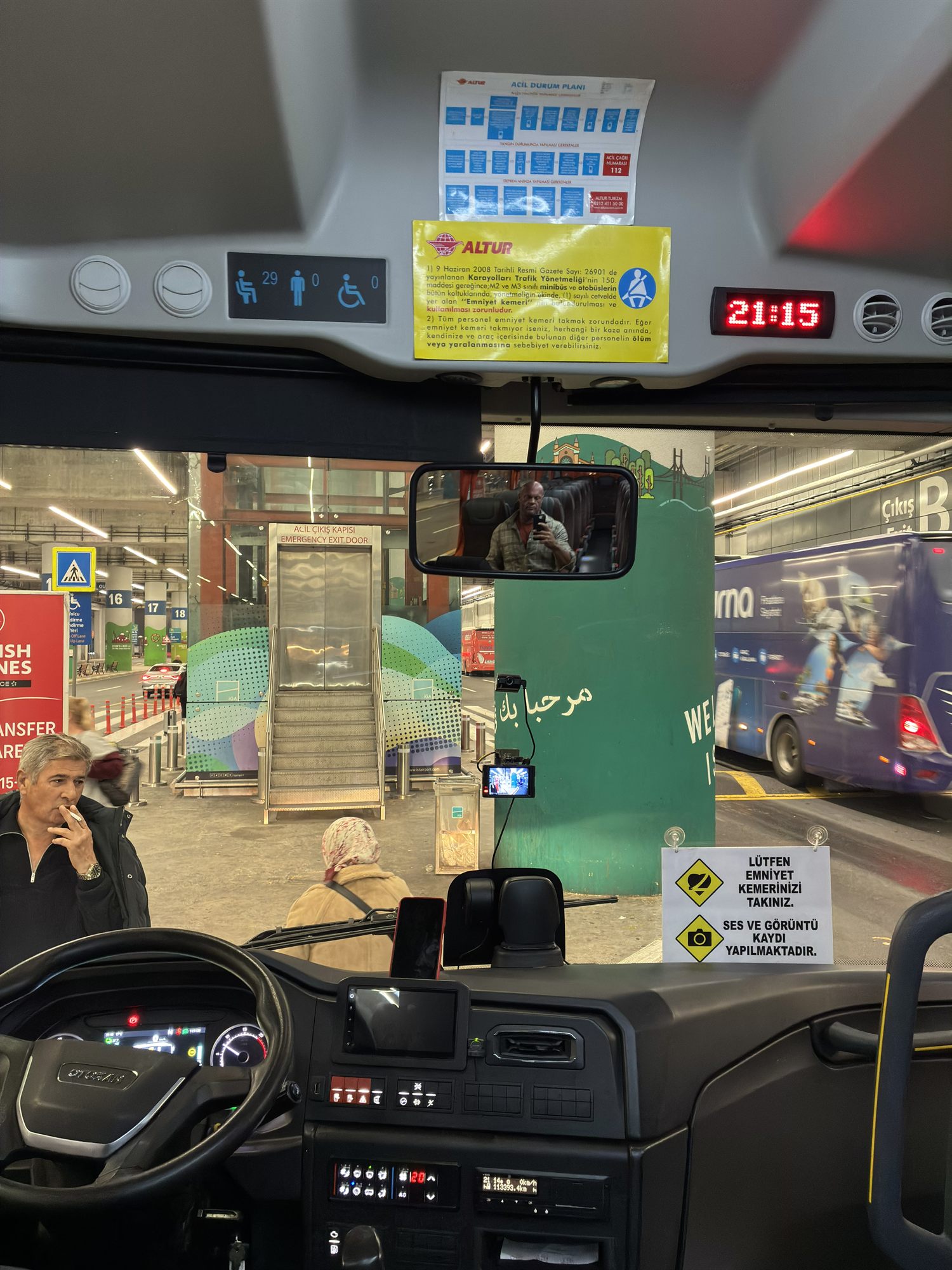
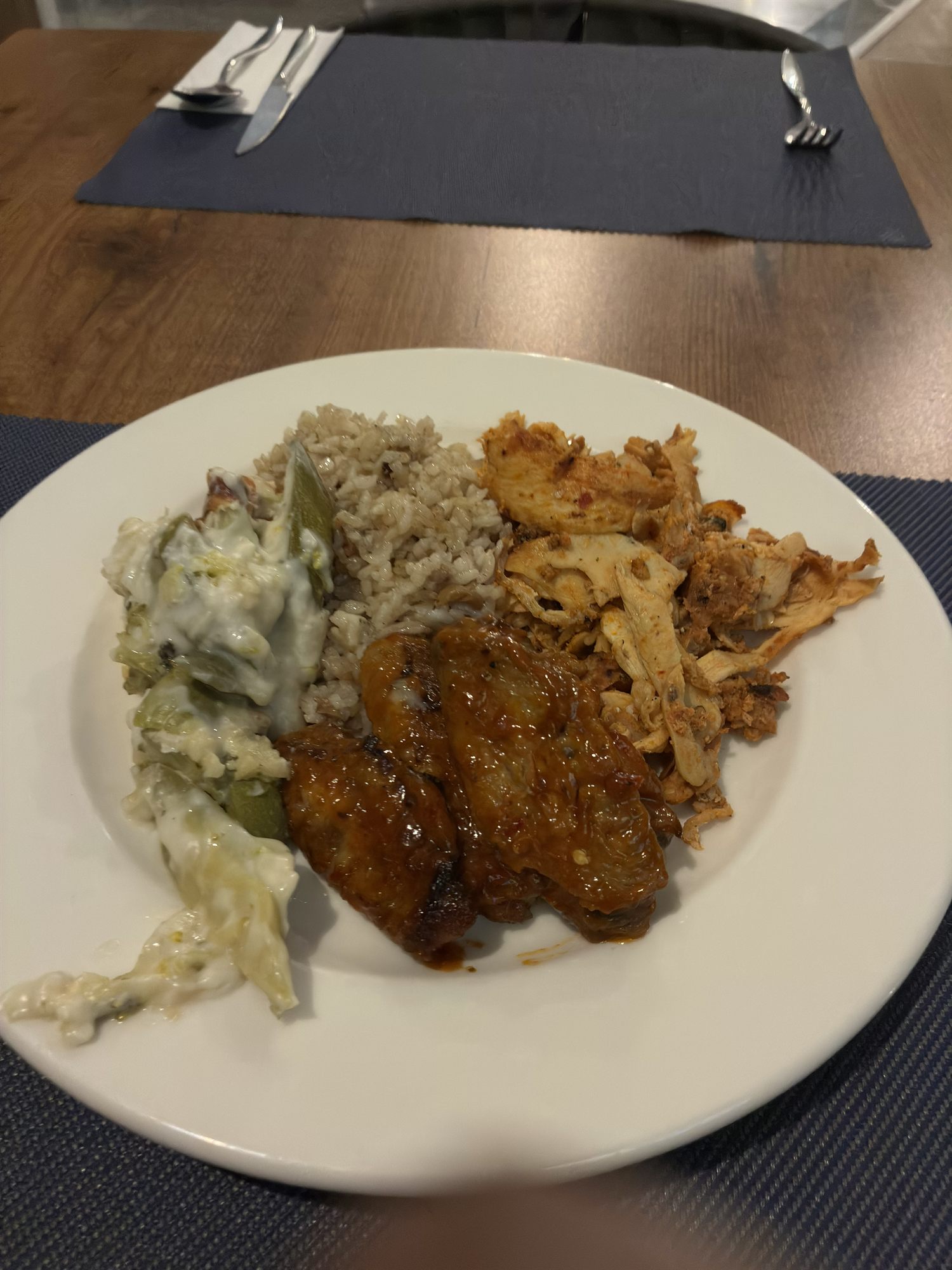
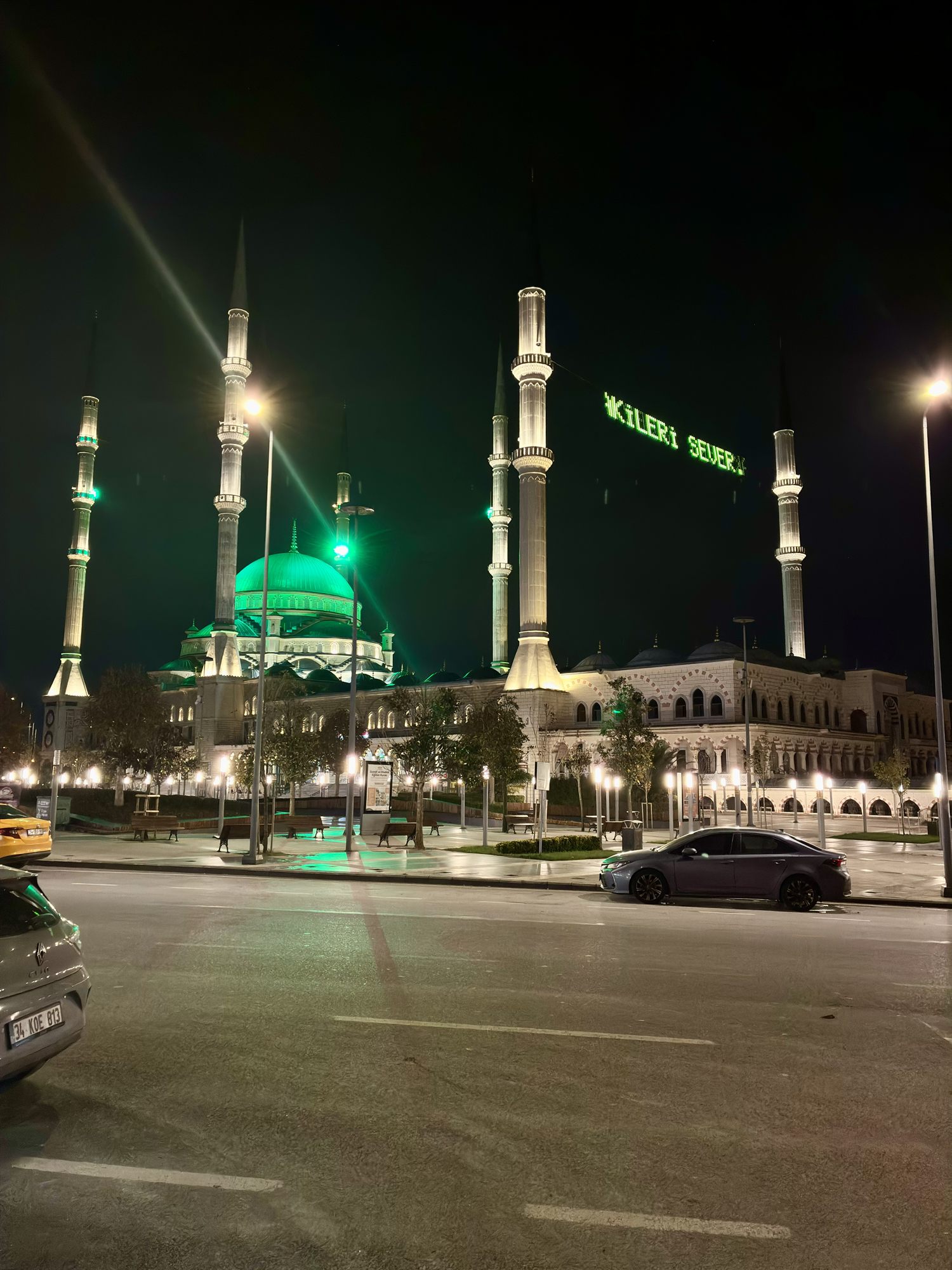
The rules, as Turkish Airlines describes them: the hotel service is for passengers whose connecting flights are on the same ticket, with a layover of at least 12 hours in Economy (9 in Business), and only if there's no shorter connection available. You apply at the Hotel Desk in the arrivals area of Istanbul Airport, so you need to be able to enter Türkiye. It's not automatic – check the current conditions on Turkish Airlines' hotel service page before you count on it.
Practical tips for travelling in Mauritania
A few things I'd strongly recommend preparing before you go.
1. Bring at least 20 printed copies of your passport
This matters most when you travel by road. You'll pass a lot of checkpoints, and you may be asked to hand over a copy of your passport at each one. I brought around 20 copies and used almost all of them. It's much easier to have them ready than to try to get copies made along the way.
2. Arrange your e-visa before you leave
Apply for the Mauritanian e-visa before you travel. Having it sorted at home is important – but you should still expect to go through a visa procedure when you land.
3. Bring euros in cash
Bring enough euros to pay the visa fee on arrival – I paid €55 – plus extra to change into Mauritanian ouguiya once you're there. Don't count on easy access to cash or currency exchange everywhere along the way.
4. Pack light – merino wool works
I travelled with one small underseat bag, and it was more than enough. Packing light makes a big difference when you're moving between hotels, 4x4s, desert camps and different kinds of transport. Merino wool is a good choice: you can wear it several times before it starts to smell, which is exactly what you need with very little luggage. My merino T-shirt is from Icebreaker and my socks from Smartwool. (Both links go to Outnorth and are affiliate links.)
5. Bring some of your own food
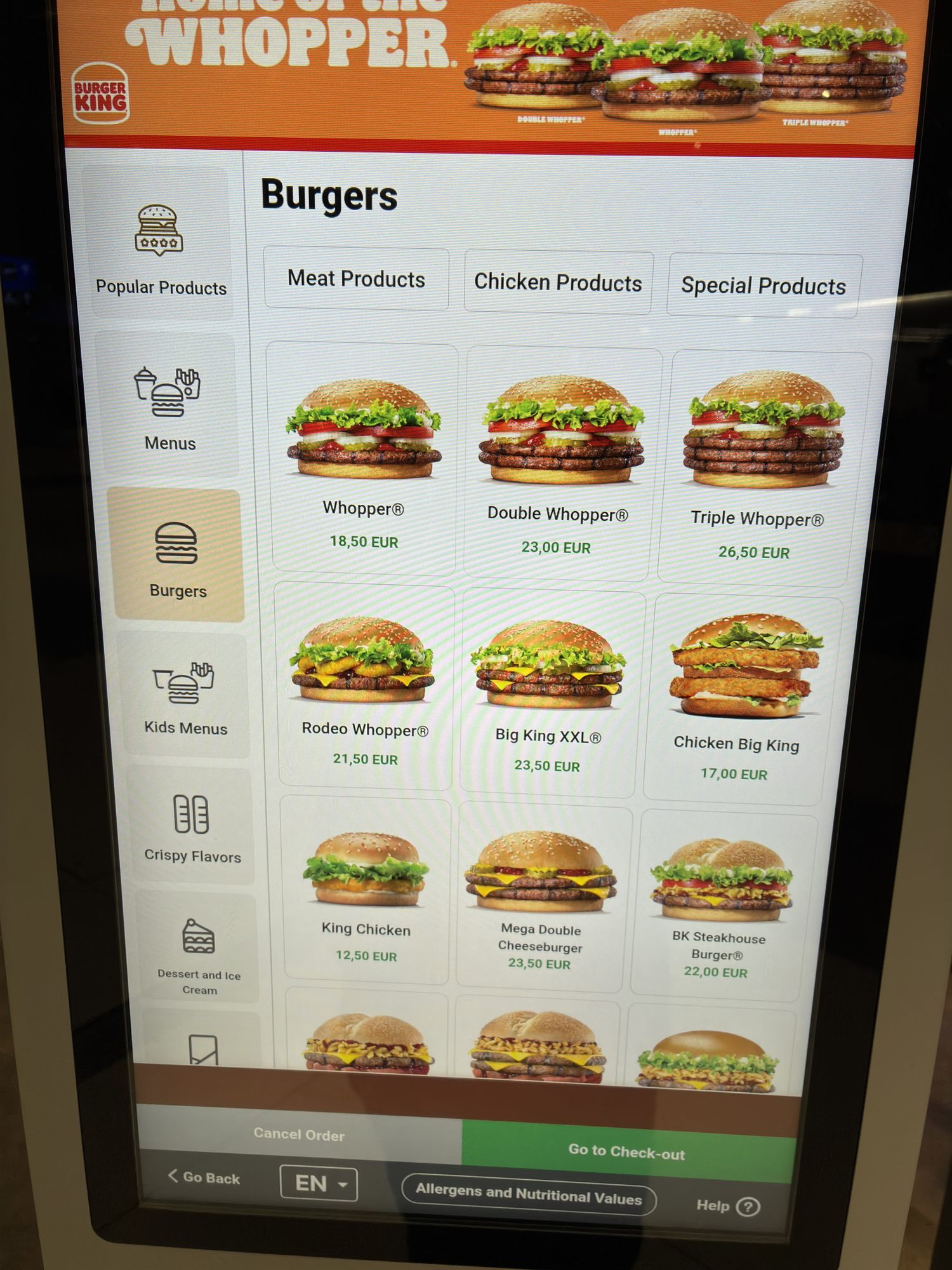
I'd bring snacks and some food from home, especially if you have a long journey with a stopover in Istanbul. Food at Istanbul Airport is very expensive – I was surprised by the prices, even for something as simple as a burger: a Whopper cost €18.50 and a Triple Whopper €26.50 on the Burger King screen when I passed through. My homemade protein bars and other snacks were useful on the long flights and transfers. And once you're in Mauritania, avoid anything that can melt or go off in the heat.
6. Get an eSIM before you leave
Sort out mobile data at home. I bought a 10 GB eSIM from Nomad before the trip, so I didn't have to sort out a local SIM card after landing. Check that the eSIM you choose covers Mauritania before you buy.
7. Travel with a local guide
For a trip like this, I strongly recommend going with a local guide and an experienced local operator. Driving through the desert, dealing with checkpoints, finding your way to remote places and coordinating the Iron Ore Train are all much easier with local knowledge and contacts. I booked through ChingiTours (not an affiliate link), with the local arrangements handled by Time for Mauritania and Sidi Mohamed as my guide. That worked well for me, and I'd recommend looking at a local operator rather than trying to organise every part of the trip yourself.
Looking back
Mauritania wasn't a holiday. It was long transport days, basic conditions, a lot of litter, some places that were disappointing and some that made me uncomfortable. But it was also the evenings with tea in the sand, the ride on the back of the pickup towards Ben Amera at sunset, the night under the stars below the monolith, the summit, and the Iron Ore Train – a night I'll remember for the rest of my life.
Some parts were much better than others, and that's the honest picture. If you're looking for something completely different from an ordinary trip – and you're ready for the rough edges – Mauritania is a country that gives you experiences very few people have.
Practical information
| When | 4–11 November 2026. Solo, with local guide Sidi Mohamed. |
|---|---|
| Route | Aalborg – Copenhagen – Istanbul – Nouakchott · Nouakchott – Akjoujt – Terjit – Choum – Ben Amera · Iron Ore Train Choum – Nouadhibou · road back to Nouakchott · Nouakchott – Istanbul – Copenhagen. |
| Flights | Turkish Airlines via Istanbul. |
| Visa | E-visa applied for in advance; at Nouakchott airport I still went through a separate check and paid €55 in cash. Check the current rules before you go. |
| Stayed | Mauri Center Hotel (Nouakchott), tent below Ben Amera, the travellers' guesthouse in Choum (a daytime rest while we waited for the train), a night on an open wagon of the Iron Ore Train, Free Zone Hotel (Nouadhibou), and a Turkish Airlines layover hotel in Istanbul. |
| Organised by | ChingiTours (not an affiliate link), with local arrangements by Time for Mauritania. |
| The detailed stories | A day in Nouakchott · Climbing Ben Amera · Riding the Iron Ore Train |
Sources: Wikipedia – Terjit, Wikipedia – Inchiri region, KHL – shipwreck removal in Nouadhibou, Turkish Airlines – hotel service. What I write about places, conditions and people is my own experience from November 2026, or what my guide told me where I say so.